
How To
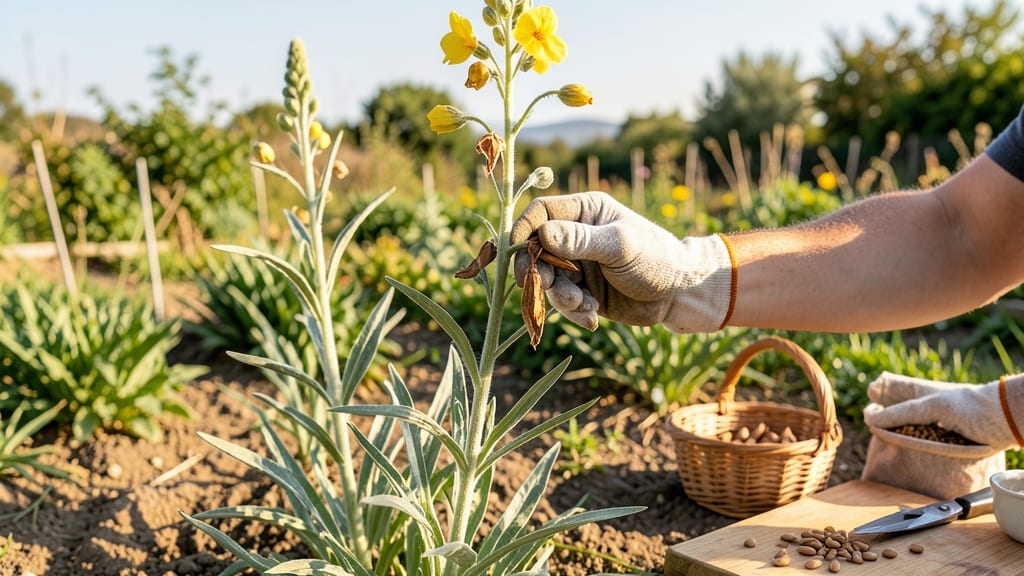
To harvest evening primrose seeds at the perfect time, watch for pods that turn dry and brown 🌸 — a shift that signals they’re ready to collect before they crack open naturally.
Evening primrose seeds are a gardener’s hidden treasure—packed with medicinal properties and easy to grow—but timing their harvest is everything. Miss the window, and you’ll end up with useless debris instead of viable seeds.
This guide breaks down the exact signs to look for—from papery textures to the telltale rattle—so you never waste a season’s work. You’ll also learn how to handle the pods without losing seeds to wind or wildlife, plus the best storage tricks to keep them fresh for next year’s garden.
Whether you’re saving seeds for medicine, sharing with fellow gardeners, or just avoiding the frustration of empty pods, these steps will turn your evening primrose into a seed-saving powerhouse.

When and how to identify mature evening primrose seed pods
Harvesting evening primrose seeds at the right moment ensures high viability and prevents wasted effort. The key lies in observing subtle changes in the seed pods and understanding environmental cues that signal readiness.
Unlike many plants, evening primrose pods don’t ripen uniformly, so patience and close inspection are essential to avoid collecting immature or overripe seeds.
Start monitoring your plants in late summer, typically around August in most USDA zones. This is when the vibrant yellow flowers begin transitioning into seed pods. The pods start as green, plump structures but gradually dry out as they mature.
Your goal is to collect them just before they naturally split open and scatter seeds across your garden.
Color changes are your first clue. Mature pods shift from bright green to a dull brown hue. This transformation indicates the seeds inside have fully developed. However, don’t wait until the pods look brittle or cracked—this means you’ve missed the optimal window. The perfect moment is when they’re dry but still intact.
Another telltale sign is the texture shift. Gently press a pod between your fingers—it should feel paper-thin and crisp. If it’s still firm or rubbery, the seeds aren’t ready.
Pro tip: Shake a pod gently over a dark surface. If you hear a faint rattling sound, seeds are likely mature and dry inside.
| Stage | Pod Color | Texture | Sound | Action |
|---|---|---|---|---|
| Immature | Bright green | Firm, plump | None | Wait 2-3 weeks |
| Mature (Ready) | Dull brown | Crisp, paper-thin | Faint rattle | Harvest immediately |
| Overripe | Gray/brittle | Cracked, hollow | Empty sound | Discard |
Environmental factors also play a crucial role in determining harvest readiness. Evening primrose thrives in full sun and typically matures seeds when daytime temperatures hover between 70-80°F. If your region experiences early frosts, prioritize harvesting pods in late August or early September before cold weather sets in.
Daylight duration affects maturity too. Shorter fall days trigger the plant’s natural seed-setting process. If you notice pods forming earlier than expected, check your local frost dates—you may need to harvest sooner than usual.
In USDA Zone 6a, for example, aim to finish collection by mid-September to avoid frost damage.
Morning is the best time to inspect pods. Afternoon heat can cause premature splitting, while evening dew might obscure color changes. Carry a small notebook to track pod development on different plants—some may mature 1-2 weeks earlier than others. This variation is normal, especially in larger gardens or mixed plantings.
One common mistake is waiting until pods split open naturally. By then, seeds may have scattered or lost viability. Instead, harvest when pods are 80-90% dry—they’ll finish drying indoors.
Place collected pods in a well-ventilated container (like a mesh bag) and store them in a cool, dry place for 1-2 weeks to complete the drying process.
For large-scale harvesting, consider covering plants with breathable fabric once pods reach the mature brown stage. This prevents seed loss while allowing you to collect them at your convenience. Just remove the cover daily to check for readiness and avoid trapping excess moisture.
Remember: The first frost is your deadline. Evening primrose pods won’t survive freezing temperatures, so if frost threatens before harvest, prioritize collecting pods from the oldest flowers first. With practice, you’ll develop an eye for the perfect moment—when evening primrose seeds are ready to be your garden’s next generation.
Step-by-Step evening primrose seed harvesting process
Harvesting evening primrose seeds at the right moment ensures high viability and prevents wasted effort. The key is acting before pods split—once they crack open, seeds scatter like confetti in the breeze. With the right tools and technique, you’ll collect plump, dark seeds ready for storage or planting.
Gather your harvesting essentials first: gardening gloves to protect hands, sharp pruning shears for clean cuts, and breathable paper bags or envelopes to store pods. Work on a dry, sunny day when humidity is low—this minimizes mold risk and preserves seed quality.
Timing matters most, so check pods daily during late summer to early fall.
- 🔍 Step 1: Identify Mature Pods
Look for brown, dry pods that rattle when shaken. Press gently—if they feel papery and crisp, they’re ready. Avoid pods still green or soft. - ✂️ Step 2: Snip Pods Carefully
Use clean pruning shears to cut pods from stems, leaving a 1-inch stem stub. Work early morning when pods are dry and firm. - 🧤 Step 3: Store Pods Properly
Place pods in breathable paper bags or envelopes. Label with the harvest date and plant variety. Store in a cool, dry place (60–70°F). - 🌾 Step 4: Extract Seeds
After 1–2 weeks of drying, gently crush pods over a white tray to release seeds. Remove debris with a fine-mesh sieve or by hand. - 📦 Step 5: Package for Storage
Transfer clean seeds into airtight containers (glass jars or seed envelopes). Add a silica gel packet to absorb moisture. Store in a dark, cool pantry.
Never harvest seeds from overripe pods—they’ll crumble into dust. If pods split open naturally, act immediately to salvage seeds before they scatter. For large batches, lay a tarpaulin under plants to catch fallen seeds, then collect them daily.
Evening primrose seeds stay viable for 2–3 years if stored correctly. Test germination by planting a few seeds in moist potting mix—if they sprout within 2 weeks, your harvest succeeded. Label containers clearly to track harvest year and variety, especially if saving seeds for medicinal use.
Pro tip: Freeze seeds for 24 hours before storage to kill any pests or fungi lurking in the pods. This extra step boosts long-term viability, especially in humid climates. With patience and precision, you’ll turn those golden pods into a treasure trove of seeds for next year’s garden. 🌸