
How To
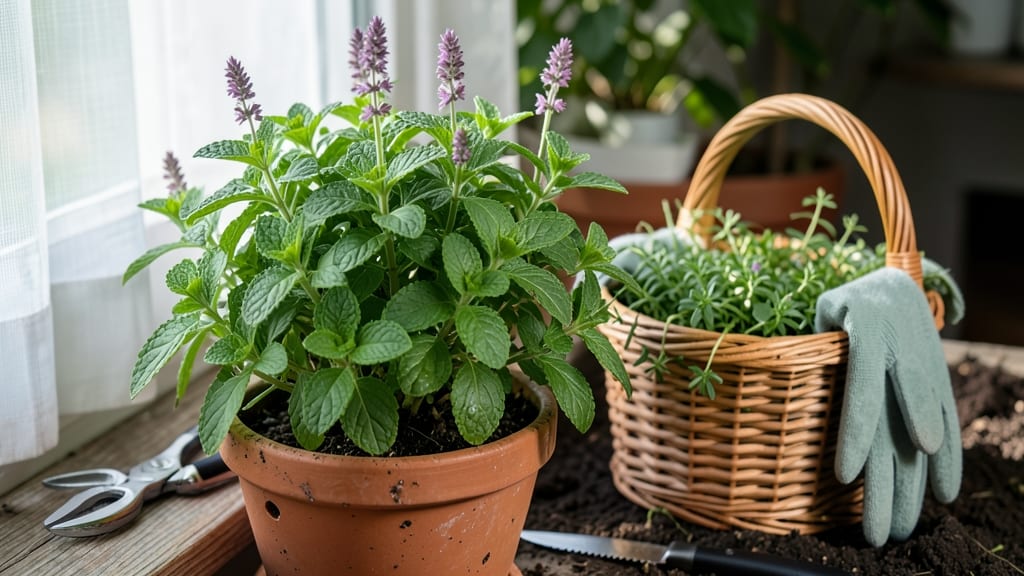
Harvesting fresh mint at the right time turns your kitchen into a flavor powerhouse—just snap off the stems when they’re flexible and fragrant, and you’ll get the most vibrant leaves for teas, cocktails, and dishes.
Picture this: you reach for a sprig of mint, and instead of a wimpy stem, it snaps cleanly with a satisfying pop—that’s the sign you’ve been waiting for. But timing matters, and cutting too early or too late can leave your plant weak or flavorless.
I’ve made those mistakes (and learned how to fix them), so you don’t have to.
In this guide, you’ll discover the best time of day to harvest, how to prune for bushier growth, and the tools that make the job effortless. Whether you’re a beginner or a seasoned gardener, these tricks will keep your mint thriving all season long.
From storing freshly cut sprigs to avoiding common pruning pitfalls, I’ll walk you through every step—so you can enjoy fresh, potent mint without the guesswork.

When to harvest fresh mint: the perfect time for snappy stems
Harvesting fresh mint at the right moment ensures maximum flavor and encourages continuous regrowth. The key is waiting until the plant reaches its peak maturity—when leaves are fully developed but before the plant starts flowering. This balance keeps your mint bushy and productive all season long.
Mint thrives when you harvest it regularly every 4-6 weeks, but timing matters. If you wait too long, the plant may become woody or leggy, reducing its potency. The best time to harvest is when the stems snap easily with a slight bend, signaling they’re ready for use.
Seasonal timing also plays a role. In USDA Zone 6a, mint grows best from June through September, with the most vibrant harvests occurring in late summer. Early morning harvests yield the freshest leaves, as the mint oils are most concentrated.
Look for these visual cues to know when to harvest: leaves should be vibrant green and fully sized, and the plant should have a strong minty aroma when crushed. Avoid harvesting if the stems feel tough or woody—this means it’s past its prime.
| Harvest Stage | Leaf Size | Stem Flexibility | Aroma | Best Time |
|---|---|---|---|---|
| Early Growth | Small, sparse | Soft but weak | Mild scent | Not ready |
| Ideal Harvest | Large, lush | Snaps easily | Strong minty | Morning, June-Sept |
| Late Stage | Small, woody | Tough stems | Faint scent | Avoid harvest |
Sunlight exposure affects harvest timing too. Mint grown in partial shade (4-6 hours of sun) will mature slower than those in full sun. If your plant is in bright indirect light, it may need harvesting 2-3 weeks earlier than those in shadier spots.
Never harvest mint when it’s bolting or flowering, as this reduces leaf production. Instead, prune back flowering stems to redirect energy into leaf growth. This keeps your plant bushier and more productive for future harvests.
For container-grown mint, harvest stems just above a leaf node to encourage new growth. This method works for both outdoor gardens and indoor pots, ensuring your mint stays compact and flavorful.
After harvesting, rinse the leaves gently under cool water to remove dirt, then pat dry with a clean towel. Store in a sealed container in the fridge for up to 10 days to preserve freshness and flavor.
If you notice yellowing leaves or slow growth after harvest, your mint may need more sunlight or nutrients. A light fertilizer application can help revive it for the next harvest cycle.
With the right timing, your mint plant can provide continuous harvests all season. Regular pruning and attentive care will keep it thriving, ensuring you always have fresh, flavorful leaves on hand.
Step-by-step mint pruning tricks for busy gardeners
Harvesting mint the right way isn’t just about snipping leaves—it’s about encouraging bushier growth and preventing leggy, weak stems. When you prune mint correctly, you’ll get fresh leaves all season long while keeping your plant healthy.
The key? Timing, technique, and tools—let’s dive into the best methods for busy gardeners who want a thriving mint patch with minimal effort.
Mint grows aggressively, but without proper pruning, it can become overgrown and woody. Regular harvesting actually stimulates new growth—just like pinching back basil. Start pruning when your mint plant reaches about 6 inches tall, and you’ll see thicker foliage in just a few weeks.
The goal is to never remove more than 1/3 of the plant at once to avoid stressing it.
How to Harvest Fresh Mint
- 1 Choose the right time: Harvest in the morning after dew has dried but before peak sun (around 8-10 AM). This ensures maximum oil potency in the leaves.
- 2 Use clean, sharp tools: Grab bypass pruners or clean scissors (never dull knives). Sterilize tools with rubbing alcohol to prevent disease spread between cuts.
- 3 Cut just above a leaf node: Make your cut at a 45-degree angle, about 1/4 inch above where a new leaf pair emerges. This encourages new side shoots to grow.
- 4 Avoid harvesting flowers: If your mint bolts (sends up flowers), cut the flower stems immediately to redirect energy back to leaf production. Flowering means weaker flavor and slower regrowth.
- 5 Prune leggy stems: If your mint looks tall and sparse, cut the longest stems back by half. This forces the plant to branch out and become bushier over time.
One of the biggest mistakes gardeners make is over-pruning—cutting too much at once can shock the plant and lead to stunted growth. Instead, aim to harvest only the outer leaves or top stems to maintain the plant’s shape.
If you notice yellowing leaves after pruning, it’s a sign you’ve gone too far. Give your mint a week to recover before harvesting again.
For a continuous harvest, prune mint every 4-6 weeks during the growing season (spring to early fall). In containers, you can harvest even more frequently—every 2-3 weeks—since potted mint grows faster.
Just remember: less is more. A little regular pruning keeps your mint lush, flavorful, and productive all season.
If your mint has become leggy and sparse, don’t panic! Trim back the longest stems by 1/3 and move the plant to a sunnier spot (but still with partial shade).
Within a few weeks, you’ll see new growth at the base. For extra vigor, add a balanced fertilizer (like 10-10-10) after pruning to give it a nutrient boost.
With these simple pruning tricks, your mint will stay compact, flavorful, and ready for harvest whenever you need it. Happy snipping—and enjoy that fresh minty goodness in your favorite recipes! 🌿