
How To
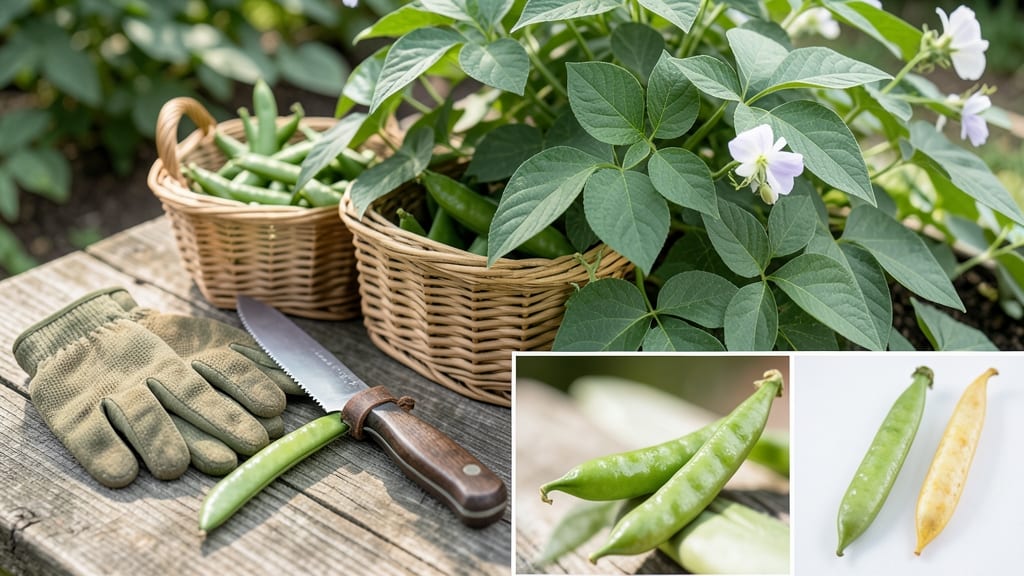
To know when to harvest green beans, watch for pods that are 4–6 inches long, snap easily when bent, and stay bright green—those are the telltale signs of peak flavor and texture.
Picking green beans at the wrong time means sacrificing crispness and flavor—here’s how to master the perfect harvest window for garden-fresh, restaurant-quality pods every time.
Most gardeners miss the sweet spot by waiting too long, but the key is a simple snap test: if the pod bends and snaps cleanly, it’s ready. Too soft? Too late. Too stiff? Not yet.
Below, I’ll walk you through size, color, and texture cues, plus how often to harvest to keep your 🌱 green beans producing all season long.


The snap test: how to use it for perfect green bean harvest timing
Green beans are at their peak when harvested at the right moment—too early and they’re tough, too late and they turn mushy. The snap test is my go-to method for determining perfect harvest timing, and it’s easier than you think.
This simple trick helps you avoid the common mistake of picking beans that are past their prime, ensuring crisp, flavorful pods every time you harvest.
Why does the snap test work? Because green beans are most tender when their cell walls are firm but flexible. When you apply gentle pressure, they should snap cleanly like a fresh stalk of celery.
This indicates they’ve reached the ideal harvest window—typically between 4-6 inches long—before the seeds inside start expanding and toughening the pod.
Let’s break down the exact steps to perform the snap test correctly, so you can confidently pick beans at their best every time.
How to Perform the Snap Test
- Step 1: Select a mature-looking pod (4-6 inches long) that’s bright green.
- Step 2: Hold the pod firmly with one hand near the stem end.
- Step 3: Gently bend the pod away from the plant using your other hand.
- Step 4: Listen for a clean snap—like a crisp celery stalk—without breaking the pod into pieces.
- Step 5: If it snaps easily, it’s ready to harvest. If it bends without snapping, wait 1-2 days.
If the pod bends but doesn’t snap, it’s likely underripe—wait another day or two. Conversely, if it snaps loudly but feels hollow or the seeds are visible through the pod, it’s overmature.
Overripe beans lose their crisp texture and develop a starchy, mealy quality, which is why timing is everything.
Another pro tip: Always harvest in the morning when beans are cool and crisp. This is when their natural sugars are at peak levels, and the pods are least likely to be stressed by heat.
Avoid harvesting after a hot day, as beans can become flaccid and waterlogged, making them mushy and less flavorful.
For bush beans (determinate varieties), you’ll want to harvest every 2-3 days to encourage continuous production. For pole beans (indeterminate varieties), check pods every 1-2 days since they produce beans more steadily.
Regular harvesting also prevents the plant from diverting energy to seed production, which can lead to fewer pods overall.
One of the biggest mistakes I see is harvesting beans that are too short (under 3 inches) or too long (over 6 inches). Short beans are often still developing and can be tough, while overly long beans have already started the transition to dry, woody pods.
Sticking to the 4-6 inch range ensures you’re always in the sweet spot for texture and flavor.
Proper harvesting technique also matters. Always use clean, sharp scissors or pruning shears to snip the pod just above a leaf node. This minimizes damage to the plant and encourages new growth. If you’re picking by hand, avoid tugging—this can pull up younger pods still developing.
Finally, keep an eye on the color and texture of your beans. Ideal pods should be vibrant green with no yellowing or brown spots. If you notice powdery mildew or other signs of disease, harvest those pods immediately and treat the plant to prevent spread.
With the snap test as your guide, you’ll always know exactly when to pick for the best-tasting, crunchiest green beans your garden has to offer.
Green bean size and color guide: what to look for before picking
Harvesting green beans at the perfect moment ensures maximum flavor and texture. The key lies in understanding size, color, and pod firmness—each variety has its own ideal window.
Flat beans like Kentucky Wonder differ from wax beans like Blue Lake, so knowing what to look for prevents overripe or underdeveloped pods.
For most green bean varieties, bright green color and 4-6 inch length signal readiness. However, some bush varieties like Contender stay tender slightly longer, while pole beans like Rattlesnake may need picking sooner. Overlooking these visual cues can turn crisp pods into tough, stringy messes.
| Variety Type | Ideal Size | Color Indicator | Texture Test |
|---|---|---|---|
| Flat Beans (e.g., Kentucky Wonder) | 4-5 inches | Vibrant green | Snaps cleanly when bent |
| Wax Beans (e.g., Blue Lake) | 5-6 inches | Bright yellow-green | Firm with slight crunch |
| Pole Beans (e.g., Rattlesnake) | 3-4 inches | Deep green | Thin but crisp |
| Bush Beans (e.g., Contender) | 5-6 inches | Rich green | Plump and firm |
Early harvest indicators include smaller pods (under 3 inches) that are pale green or soft to the touch. These beans lack full flavor and crunch.
On the flip side, waiting too long results in yellowing pods, visible seeds, and a tough, stringy texture—signs your beans have passed their prime.
Color is your best friend—bright green means freshness, while dull or yellowing hues signal overmaturity. For wax beans, the yellow-green tint is a clear cue to harvest. Always prioritize firmness over size; a slightly shorter but crisp pod beats a long, rubbery one any day.
Pro tip: Harvest in the morning when pods are cool and crisp. This ensures peak flavor and texture. Use sharp scissors or pruners to avoid damaging the plant, and pick every 2-3 days to encourage continuous production. Regular harvesting keeps plants productive all season long.
Don’t let perfect pods slip through your fingers—mastering these visual cues transforms your green bean harvest from good to garden-fresh perfection. 🌱