
How To
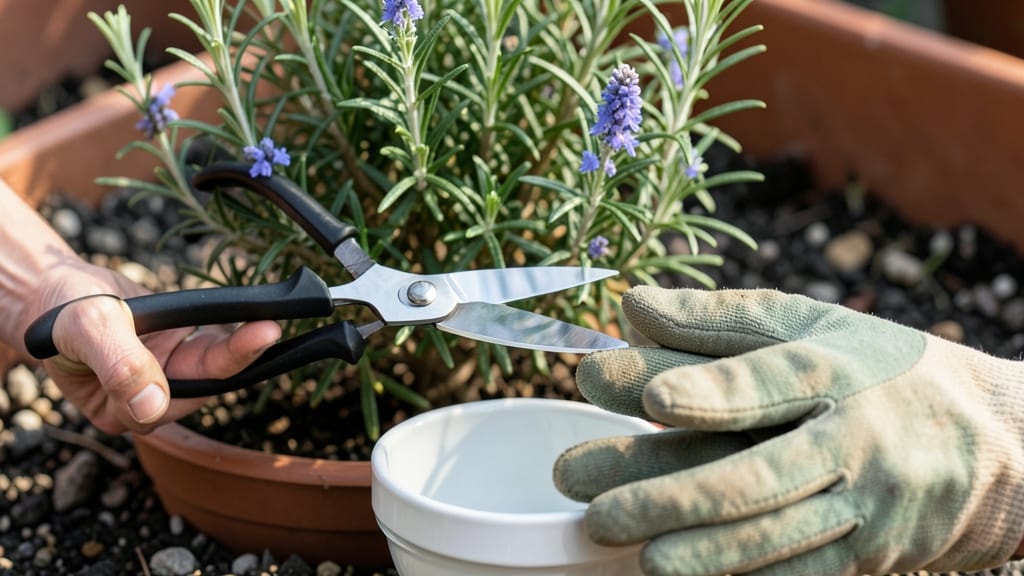
To harvest fresh rosemary at its peak flavor, look for woody stems and a strong pine-like aroma when crushed—this is the golden moment for both your cooking and your plant’s health.
Harvesting rosemary at the wrong time can leave you with bitter sprigs or a sad, leggy plant. But there’s a simple trick: the stem snap test. When the stems snap cleanly instead of bending, that’s your cue to cut—no guesswork needed.
This isn’t just about grabbing a few sprigs; it’s about encouraging bushier growth and richer flavor. Below, I’ll walk you through the best times to harvest, how to prune without harming your rosemary, and storage tips to keep it fresh for weeks.
Whether you’re drying it for winter soups or snipping fresh for roasted chicken, mastering this skill will change how you use—and enjoy—your 🌿 herb garden.

When and how to harvest rosemary using the stem snap test
Timing your rosemary harvest is everything—cut too early, and you’ll get weak, flavorless stems. Harvest too late, and your plant may struggle to regrow. The stem snap test is my foolproof method to determine when rosemary is ready, typically between spring and early summer when growth is vigorous.
This test checks both stem maturity and flavor intensity, ensuring you get the best of both worlds.
For peak flavor, focus on harvesting during the morning hours when essential oils are most concentrated. Avoid harvesting after heavy rain or in extreme heat, as this can dilute the aroma.
Seasonal timing also matters—spring and early summer yields the freshest, most fragrant rosemary, while late-summer harvests may produce slightly woody stems. Always prioritize new growth over over-mature branches.
| Harvest Stage | Key Indicators | Best Time | Flavor Profile |
|---|---|---|---|
| Early Growth | Soft stems, <6 inches tall, minimal aroma | Avoid harvesting | Mild, weak flavor |
| Ideal Harvest | Woody stems, 12+ inches, strong pine scent, passes snap test | Spring to early summer, morning hours | Bold, aromatic, peak flavor |
| Over-Mature | Hard, brittle stems, little regrowth, faint aroma | Late summer/fall, minimal harvest | Woody, diminished flavor |
| Post-Prune Regrowth | New soft stems (<6 weeks after pruning), 4-8 inches tall | Late summer, before first frost | Moderate flavor, best for garnish |
To perform the stem snap test, select a healthy stem and bend it gently at a 45-degree angle near a leaf node. If the stem snaps cleanly with a slight crackling sound, it’s ready for harvest.
If it bends without breaking, wait 2-4 weeks for maturity. This test ensures you’re harvesting at the optimal woodiness—neither too soft nor overly hard—which directly correlates with flavor intensity.
Visual cues are equally important. Look for deep green, needle-like leaves and stems that feel firm but not brittle. Avoid harvesting stems with yellowing or brown tips, as these indicate stress or disease.
The best rosemary stems for harvesting are those that are 1/4 to 1/2 inch in diameter and have a strong pine-like aroma when crushed between your fingers.
Seasonal considerations play a crucial role in rosemary’s flavor and regrowth. In spring and early summer, when temperatures are mild and growth is rapid, rosemary produces its most aromatic and tender stems. During these months, you can harvest up to one-third of the plant without causing stress.
In late summer and fall, growth slows, and stems become woody faster, so harvest sparingly to avoid stunting new growth.
Never harvest more than one-third of the plant at a time, even if it looks abundant. Over-harvesting can shock the rosemary, leading to stunted growth or death. Always cut stems just above a leaf node to encourage bushier regrowth.
Use clean, sharp pruners or scissors to make precise cuts, and avoid tearing stems, which can damage the plant and invite pests.
After harvesting, inspect your rosemary plant for signs of new growth within 2-4 weeks. Healthy regrowth confirms you’ve maintained the plant’s vitality. If you notice bare stems or slow recovery, reduce future harvests and focus on watering and sunlight.
In mild climates, rosemary can be harvested year-round, but flavor peaks in spring and early summer.
Pro tip: Harvest rosemary in the morning after dew has dried for the freshest flavor. Store harvested stems in a paper towel-lined container in the fridge for up to 1 week, or dry them for long-term use.
The stem snap test isn’t just a trick—it’s a guarantee of flavorful harvests and a thriving plant.
Step-by-step guide to harvesting rosemary without killing your plant
Harvesting rosemary correctly ensures you get the most flavorful sprigs while encouraging your plant to grow fuller and bushier. The key is timing—wait until your rosemary is at least 12 inches tall with woody stems that snap cleanly.
This method prevents over-harvesting, which can stress or even kill your plant.
Start by choosing the right tools: clean, sharp pruning shears or scissors work best. Avoid using your kitchen scissors—they can spread bacteria. Always harvest in the morning when essential oils are at their peak, giving you the strongest aroma for cooking or drying.
⚠️ WARNING: Common Mistakes That Kill Your Rosemary
To harvest, locate a healthy stem with multiple side shoots. Hold it firmly and bend it backward at a 45-degree angle. If it snaps cleanly with a slight resistance, it’s ready.
If it bends without breaking, wait 2-4 more weeks. This stem snap test guarantees you’re harvesting at peak maturity.
Use your pruning shears to make a clean cut just above a leaf node (where leaves or side shoots grow). This encourages new growth at that spot. Space your cuts evenly around the plant to maintain its shape and prevent legginess.
For bushier regrowth, trim back the tips of branches rather than the oldest growth.
After harvesting, give your rosemary a light watering if the soil feels dry. Avoid fertilizing immediately—wait 2-3 weeks to let the plant recover. If you’re growing rosemary in containers, trim the roots by 1 inch when repotting to stimulate new growth.
This simple care keeps your plant thriving year after year.
For maximum flavor, use freshly harvested rosemary within 3-5 days. If you need to store it, hang sprigs upside down in a dry, dark place for 1-2 weeks to dry.
Avoid washing before drying—moisture speeds up spoilage. With proper harvesting techniques, your rosemary will stay productive and fragrant for seasons to come! 🌿✂️💧