
How To
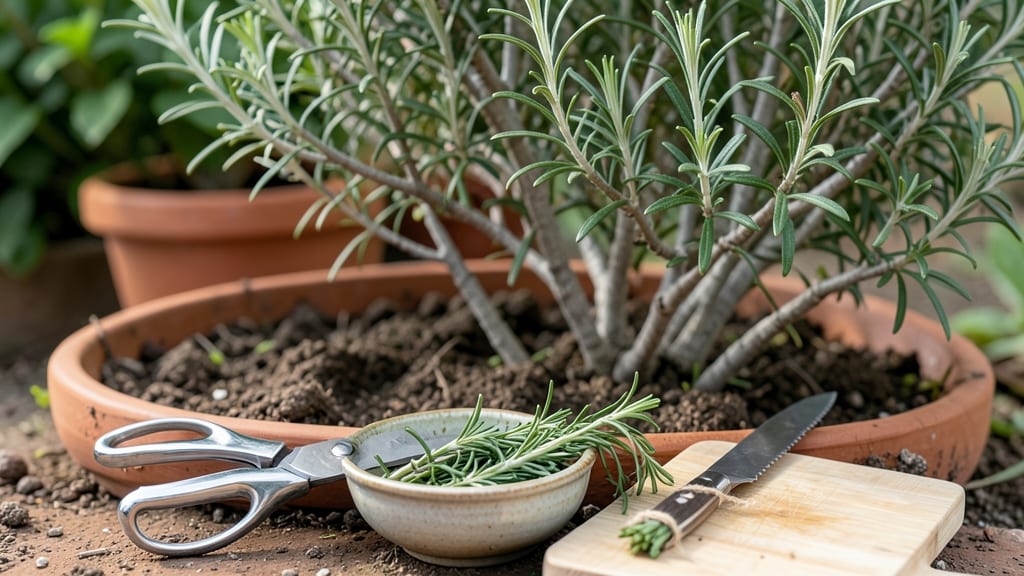
Harvesting rosemary plant at the right time ensures you get the most flavor without harming your 🌿 rosemary. If you’ve ever wondered why your stems bend instead of snap, that’s your cue to pick them now—before they get too woody.
This fragrant herb thrives when you time your harvest correctly, and a little pruning can even encourage bushier growth. Whether you’re drying sprigs for winter cooking or snipping fresh stems for meals, knowing when and how to cut makes all the difference.
In this guide, I’ll walk you through the best stages to harvest, the tools you’ll need, and how to store your rosemary for maximum freshness. You’ll also learn how to revive leggy plants and keep your rosemary looking lush year after year.
Ready to turn your kitchen garden into a flavor powerhouse? Let’s get started with the easiest way to harvest rosemary without sacrificing your plant’s health.

When to harvest rosemary: the bend test and best growth stages
Rosemary’s fragrant stems are a kitchen treasure—but knowing when and how to harvest them ensures you get the most flavor without harming your plant. The bend test is your secret weapon: when stems bend instead of snapping, they’re ready.
This simple trick tells you the plant has reached its peak flavor and maturity, making it the perfect time for harvest.
Timing matters more than you might think. Harvesting at the wrong stage—like right after planting or during dormancy—can leave you with bitter, woody stems and stunted growth. The best time to harvest rosemary outdoors is in spring or fall, when the plant is actively growing but hasn’t yet flowered.
Indoor rosemary, however, can be harvested year-round if kept in optimal conditions.
Your rosemary’s growth stage directly impacts its flavor and yield. Young plants (under 6 months old) produce tender, flavorful sprigs, while mature plants (over 1 year old) develop woody stems but still yield abundant harvests.
The key is balancing harvest frequency with plant health—over-harvesting can stress your rosemary, while under-harvesting leads to leggy, unruly growth.
Understanding your rosemary’s maturity stages is crucial for flavor and yield. Young plants (under 6 months) produce delicate, tender sprigs with a mild, sweet aroma. As the plant matures (over 1 year old), the stems become woody, but the leaves retain their intense pine-like scent.
The secret? Harvest younger stems from mature plants—they’re the sweet spot for flavor.
Seasonal changes affect harvest timing and plant health. In spring, focus on new growth—these sprigs are the most flavorful. By summer, your rosemary may produce flowers, which signal it’s time to prune back one-third of the plant to maintain shape and encourage leafy regrowth.
In fall, harvest heavily before the first frost to prevent winter dieback.
Indoor rosemary requires a different approach. Since it doesn’t experience seasonal dormancy, you can harvest year-round as long as the plant remains healthy. Keep it in a south-facing window or under grow lights to mimic outdoor conditions.
The bend test still applies—just adjust your harvest frequency to avoid over-pruning in low-light months.
One common mistake gardeners make is harvesting too late in the season. If you wait until winter to prune outdoor rosemary, the plant may struggle to recover before the cold sets in.
Instead, lightly trim in late fall to remove dead growth, then focus on spring regrowth. For indoor plants, reduce harvests in winter when growth naturally slows.
Pro tip: Use harvested stems immediately or dry them for later use. The freshest rosemary has the most aromatic oils, so avoid storing cut stems for more than 5-7 days in the fridge. For long-term storage, hang bundles upside-down in a dry, dark place for 1-2 weeks until crisp.
By mastering the bend test and understanding seasonal growth patterns, you’ll transform your rosemary from a woody shrub into a flavor powerhouse. Whether you’re harvesting for cooking, drying, or gifting, timing is everything—so keep your shears handy and enjoy the fragrant rewards of a well-tended rosemary plant! 🌿✂️🌱
Step-by-step rosemary harvesting techniques for maximum flavor
Harvesting rosemary at the right time and with the proper technique ensures your plant stays healthy while delivering maximum flavor. The key is cutting just above leaf nodes—those small bumps where leaves grow—to encourage new shoots.
Always use clean, sharp pruners to avoid damaging stems, which can lead to disease or stunted growth.
Timing matters too: harvest in the morning after dew has dried but before the sun peaks. This is when essential oils are most concentrated, giving your rosemary that bold, piney aroma we all love.
Avoid harvesting during hot afternoons or after heavy rain, as this can dilute flavor and stress the plant.
- Step 1: Choose healthy stems with 3-4 sets of leaves and a slight woody texture.
- Step 2: Use clean pruning shears or sharp scissors to cut 1/3 above a leaf node (never at a joint).
- Step 3: Harvest new growth first to encourage bushier, fuller plants.
- Step 4: Leave at least 2-3 inches of stem on the plant to avoid exposing old wood.
- Step 5: Rinse stems gently under cool water to remove dust, then pat dry with a paper towel.
- Step 6: Store in the fridge (wrapped in a damp paper towel) for up to 1 week, or dry for long-term use.
Never cut into woody stems—these won’t regrow and can leave your plant looking leggy. If your rosemary has become too woody at the base, it’s time for a rejuvenation prune.
Cut back 1/3 of the plant to the green growth, even if it means sacrificing some stems. This shock treatment forces new, flavorful shoots to emerge.
For container-grown rosemary, harvest more frequently—every 4-6 weeks—to prevent overcrowding. If your plant looks stunted or sparse, it may need repotting into a larger container with fresh, well-draining soil. Overcrowded roots can’t support healthy growth, so don’t hesitate to upgrade if needed.
After harvesting, always water deeply to help the plant recover. Rosemary is drought-tolerant, but it still needs moisture to regenerate. Mulch around the base with gravel or straw to retain moisture and protect roots from extreme temperatures. This simple step can make a huge difference in your plant’s resilience.
With these techniques, your rosemary will stay lush, flavorful, and productive for years. The more you harvest correctly, the more your plant will reward you with abundant, aromatic sprigs—perfect for cooking, garnishes, or even homemade potpourri. Happy pruning! 🌿✂️