
How To
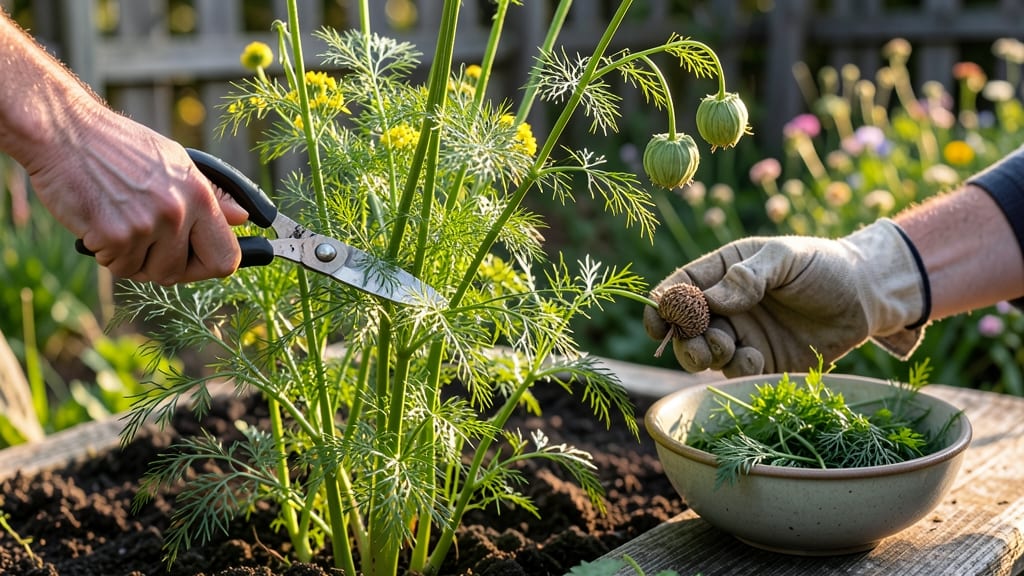
To harvest dill herb at its peak, you’ll want to snip stems when they bend without snapping — a sign of perfect tenderness and flavor.
Picture this: you’re prepping a summer salad, and your homegrown dill is the star. But if you wait too long, those delicate leaves turn bitter, and the stems toughen up. The key is acting fast, before the plant bolts to seed, to keep both flavor and growth in check.
With just a few simple tools and the right timing, you can harvest dill for fresh cooking, drying, or even seed saving — all while encouraging your plant to keep producing. Below, I’ll walk you through the best methods to maximize your yield without harming the plant.
Ready to turn your garden into a flavor factory? You’ll learn when to cut, how often to harvest, and the best ways to store your bounty so it stays fresh for months.

When to harvest dill herb: the perfect stem bend test
Harvesting dill at the right time ensures maximum flavor and tender stems. The stem bend test is my go-to method to determine when dill is ready for harvest. When stems bend slightly without snapping, that’s your cue—it means the plant has reached peak maturity for leaf harvesting.
This test works best when applied to the main stems and side branches.
Timing is everything with dill. Harvesting too early means mild flavor and small leaves, while waiting too long results in bitter stems and woody texture. The ideal window is when your dill reaches 12-18 inches tall and has fully developed leaves.
This usually occurs 60-75 days after planting, depending on your climate and growing conditions.
Here’s a quick visual guide to help you identify the perfect harvest moment:
| Stage | Plant Height | Stem Condition | Leaf Quality | Harvest Tip |
|---|---|---|---|---|
| Early Growth | 6-12 inches | Soft, flexible | Small, sparse | Wait for fuller growth |
| Ideal Harvest | 12-18 inches | Bends without snapping | Lush, aromatic | Harvest leaves or stems |
| Late Stage | 18+ inches | Woody, stiff | Bitter, tough | Harvest seeds only |
Seasonal timing also plays a role. In cooler climates, aim to harvest dill between mid-summer and early fall (July to September). If you’re in a warmer zone, you might start harvesting as early as late spring.
Pay attention to your local last frost date—dill thrives in warm weather, so avoid harvesting after the first frost, which can damage the plant.
One common mistake is harvesting dill after it flowers. While the seeds are useful for cooking and replanting, the leaves become bitter and less flavorful once the plant bolts. To preserve that bright, fresh dill taste, focus on harvesting leaves and stems before flowering.
If you miss this window, you can still use the seeds for pickling or garnishes, but the leaves won’t be as potent.
Another pro tip: Harvest dill in the morning after the dew has dried but before the midday heat. This ensures the leaves are crisp and hydrated, making them ideal for fresh use in recipes.
If you’re harvesting for drying or freezing, timing isn’t as critical, but the stem bend test still helps ensure you’re getting the most flavorful parts of the plant.
To perform the stem bend test, gently grasp a main stem near the base and apply slight pressure. If it bends like a green reed rather than snapping or feeling brittle, it’s ready.
Repeat this test on a few stems to confirm. This method works best on mature plants that have been established for at least 4-6 weeks.
If your dill plants are bolting prematurely (sending up flower stalks too early), it’s often a sign of heat stress or over-maturity. To prevent this, keep your plants well-watered and lightly fertilized with a balanced herb fertilizer.
Harvesting regularly also encourages bushier growth and delays bolting, giving you more time to enjoy fresh dill.
Remember, dill is a biennial herb, meaning it can produce leaves for two growing seasons if cared for properly. By mastering the stem bend test and harvesting at the right time, you’ll enjoy a continuous supply of fresh dill all season long. Happy harvesting! 🌿
Step-by-step dill harvesting techniques for maximum yield
Harvesting dill herb at the right time ensures tender leaves and vigorous regrowth. The key is to cut stems when they’re 6-12 inches tall and still flexible but firm.
If you wait until the plant bolts, the flavor becomes bitter, and the stems toughen—making them less ideal for cooking. I’ve found that harvesting early in the morning, after the dew has dried but before the sun peaks, gives the freshest flavor and keeps the plant healthy.
For leaf-only harvests, focus on the outer stems first. This lets the inner growth continue, giving you a steady supply. If you’re after dill seeds or flower buds, wait until the plant starts flowering—then harvest the entire stem.
The difference in timing depends on your culinary needs, but both methods require precision to avoid stressing the plant.
How to Harvest Dill Herb
- 1 Choose the right time: Harvest when stems bend without snapping (morning is best). For leaves, do this before flowering; for seeds, wait until flower buds open.
- 2 Gather your tools: Use clean, sharp scissors or pruning shears. Avoid tearing leaves by hand—it damages the plant and invites pests.
- 3 Cut stems at the base: Snip 1/3 of the outer stems just above a leaf node. This encourages bushier growth. Never cut more than 30% of the plant at once.
- 4 Harvest frequency: For leaves, harvest every 2-3 weeks to maintain growth. For seeds, harvest once per season when seed heads turn brown.
- 5 Post-harvest care: Water the plant deeply after cutting to encourage recovery. Remove any wilted or yellow leaves to prevent disease.
When harvesting for fresh use, always prioritize the outer stems first. This leaves the inner growth intact, ensuring your dill keeps producing. I’ve noticed that plants harvested this way often regrow faster and stay lush for weeks.
If you’re saving seeds, let the plant flower fully, then cut the entire stem once the seeds turn brown. Bundle stems and hang them in a dry, dark place to dry completely before storing.
One common mistake I see is harvesting too much at once. Over-cutting stresses the plant and can lead to stunted growth or even death. Stick to the 1/3 rule: never remove more than one-third of the plant in a single session.
This keeps your dill thriving and ensures a continuous harvest throughout the growing season.
For long-term storage, dry your dill by hanging small bundles upside down in a well-ventilated area for 1-2 weeks. Once fully dry, strip the leaves and store them in airtight containers away from light.
Frozen dill works well too—just chop leaves and stems, pack them into ice cube trays with water, and freeze. This method preserves flavor for up to 6 months.
With these techniques, you’ll enjoy a bountiful dill harvest all season long—whether you’re garnishing soups, pickling cucumbers, or saving seeds for next year’s garden. Happy harvesting! 🌿✂️