
Flowers
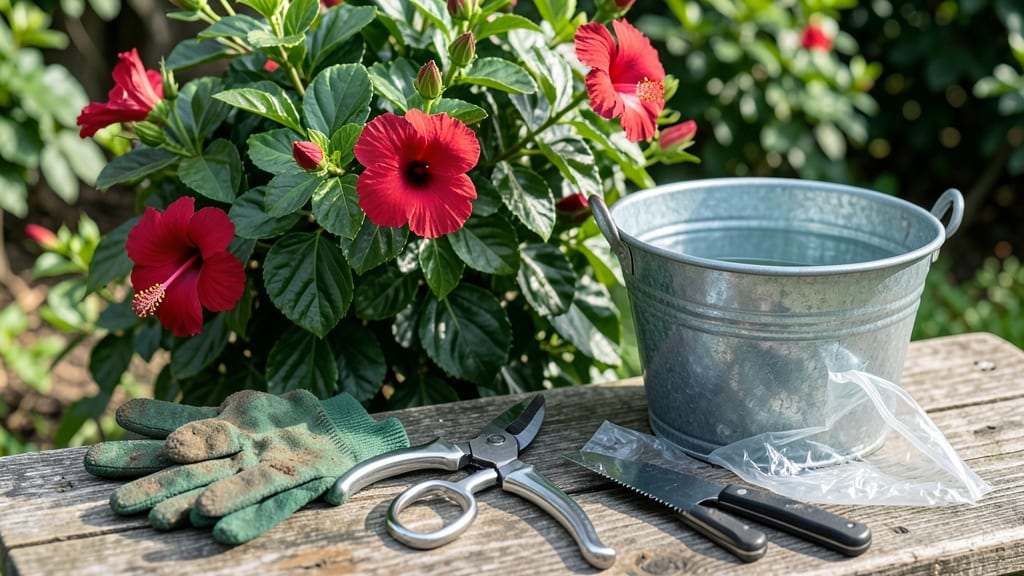
Harvesting hibiscus flowers at their peak ensures vibrant color, rich flavor, and longer-lasting blooms—whether you’re saving them for tea, crafts, or culinary dishes.
Picture this: a sun-drenched morning with your 🌸 hibiscus in full bloom, petals unfurled like nature’s own masterpiece. But timing is everything—pick too early, and you’ll miss the sweetness; too late, and the petals wilt faster.
The key to preserving their beauty lies in knowing exactly when and how to harvest, so you can enjoy their benefits for weeks.
Most gardeners assume any open flower is ready, but the best time is actually early morning when moisture levels are ideal and colors are most intense. Plus, you’ll avoid damaging stems or attracting pests that love overripe blooms.
Below, I’ll walk you through the exact techniques—from tools to post-harvest care—that keep your hibiscus fresh and functional, whether you’re drying them for tea or arranging them in a vase.
Ready to learn how? You’ll discover the three signs a hibiscus is perfectly ripe, the tools that make harvesting easier, and how to store them for maximum shelf life—so your flowers stay as stunning as the day you picked them.

Best time of day and season to harvest hibiscus flowers for maximum flavor and color
Timing is everything when harvesting hibiscus flowers—especially if you want to preserve their vibrant color and flavor intensity. Morning is the golden window for harvesting, as flowers are fully hydrated and packed with nutrients after a night's rest.
This is crucial for both culinary and ornamental uses, where moisture content directly impacts shelf life and visual appeal.
Seasonal variations also play a role. In USDA Zone 6a, hibiscus typically bloom from mid-summer to early fall (July–September), but tropical varieties may flower year-round in warmer climates. Peak harvest season aligns with the plant’s natural energy—when days are long and temperatures are moderate (ideally between 70–85°F).
Extreme heat or cold can stress the plant, reducing flower quality.
Here’s a quick reference to help you decide when to harvest for the best results:
| Factor | Optimal Conditions | Why It Matters |
|---|---|---|
| Time of Day | Early morning (6–9 AM) | Flowers are fully hydrated and vibrant. |
| Season | Late summer to early fall (July–September) | Peak blooming period for hardy varieties. |
| Weather | Clear, dry days (avoid rain or humidity) | Prevents mold and preserves color. |
| Flower Stage | Fully open, petals unfurled | Maximizes flavor and color retention. |
| Temperature | 65–80°F (ideal for harvesting) | Extreme heat or cold weakens flower structure. |
For culinary uses, like teas or jams, harvesting in the morning ensures the highest antioxidant levels and brightest color. The acidic pH of hibiscus petals peaks early in the day, making them ideal for brewing.
If you’re harvesting for ornamental purposes, like dried arrangements, morning-picked flowers retain their shape and color longer when dried.
Weather conditions can drastically affect your harvest. Avoid picking after rain or high humidity, as excess moisture speeds up decay.
If you must harvest in the afternoon, do so on dry, sunny days and handle flowers gently to prevent wilting. Morning dew can also be an issue—gentle shaking or blotting with a paper towel helps remove excess moisture without damaging the petals.
Seasonal shifts matter too. In cooler climates, hibiscus may slow down in late summer, producing fewer blooms. If you’re growing tropical hibiscus, they may continue flowering into early winter in frost-free zones.
Always check the stem firmness and petal vibrancy—these are your best indicators of readiness, regardless of the season.
Pro tip: If you’re harvesting for seeds, wait until the flower wilts and the seed pod turns brown. This usually happens 2–3 weeks after blooming.
For edible petals, always pick fully open flowers with no signs of wilting or browning. This ensures the best taste and texture for your recipes.
One common mistake is harvesting partially open flowers, which can result in bland flavor and dull color. Always wait until the center stigma is fully visible and the petals are spread wide. This guarantees the most potent and visually striking hibiscus for your projects.
Finally, consider your local climate. In arid regions, hibiscus may bloom year-round but require extra watering to maintain flower quality. In humid climates, fungal issues are more common, so avoid harvesting if the air feels heavy or damp.
Adjust your timing based on these factors to keep your hibiscus harvest at its best.
With the right timing, your hibiscus flowers will stay fresh longer, whether you’re using them in culinary creations, floral designs, or simply enjoying their natural beauty. Happy harvesting! 🌸
Step-by-step harvesting techniques to preserve hibiscus flowers longer
Harvesting hibiscus flowers the right way makes all the difference in preserving their vibrant color and delicate texture. A gentle touch and proper timing can extend their freshness from days to weeks, whether you're using them for culinary or decorative purposes.
Start by selecting the right harvesting tools—clean, sharp scissors or your fingers—to avoid crushing the stems.
I always harvest in the early morning when flowers are fully open and dew-covered. This ensures maximum moisture retention and flavor intensity. Avoid harvesting after rain or late in the day, as excess moisture can accelerate spoilage and attract pests.
The key is to pick flowers at their peak—when petals are fully unfurled and the center is fully developed.
⚠️ WARNING: Common Harvesting Mistakes That Ruin Your Flowers ⚠️
✂️ Don’t Cut Too Close to the Stem
Leaving a 1-2 inch stem attached prevents wilting and allows for better hydration. Cutting too close severs vital water pathways, causing flowers to droop within hours.
🌡️ Avoid Harvesting in Extreme Heat
Temperatures above 85°F cause flowers to wilt faster. Always harvest when it’s cool—early morning or late evening—especially in USDA Zone 9+ climates.
💧 Never Harvest Wet Flowers
Dew or rainwater on petals speeds up bacterial growth. Gently shake off excess moisture or use a paper towel to pat dry before handling.
Once harvested, handle hibiscus flowers with care to maintain their vibrancy. Immediately place them in a bucket of cool water (50-60°F) to hydrate the stems.
For long-term storage, trim stems at an angle and place them in a vase with fresh water and a drop of bleach to prevent bacterial growth. Change the water every 2-3 days for maximum freshness.
If you’re drying hibiscus flowers for later use, choose a well-ventilated area away from direct sunlight. Hang them upside down in small bundles and allow them to dry for 7-10 days.
Once fully dried, store them in an airtight container away from moisture to preserve their color and potential medicinal properties.
For immediate use in teas or floral arrangements, refrigerate harvested flowers in a sealed container lined with a paper towel to absorb excess moisture. They’ll stay fresh for up to 5-7 days this way. Always label your storage containers with the harvest date to track freshness.
Remember, hibiscus flowers are delicate—handle them like you would a fresh bouquet. A little patience and the right techniques will keep their beauty and benefits intact for weeks. Whether you're making hibiscus tea or crafting arrangements, these methods ensure you get the most out of your harvest. 🌸