
How To
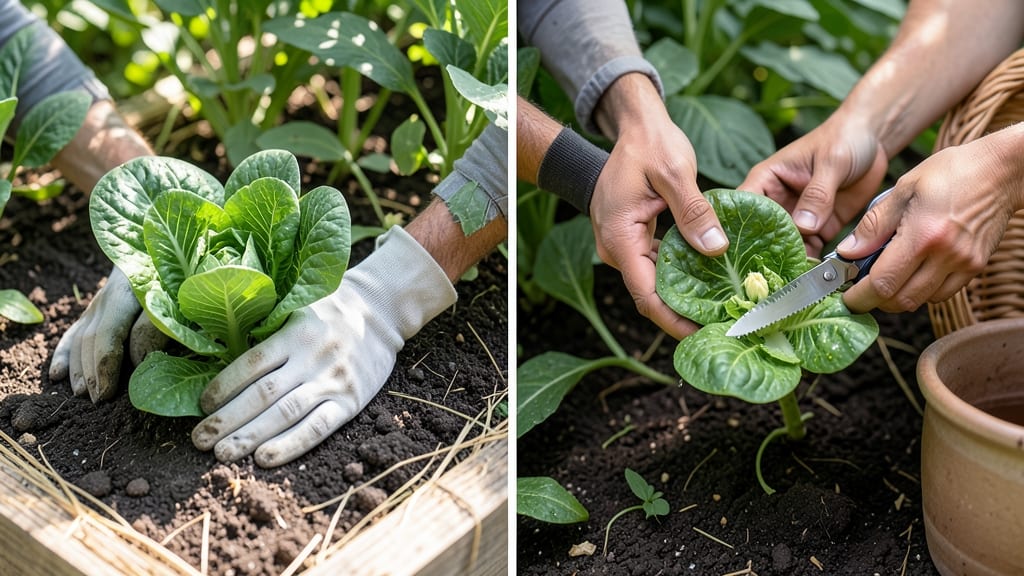
Harvesting lettuce 🥬 at the right time and with the right method keeps your garden producing crisp, flavorful leaves all season long.
Picture this: you’ve nurtured your lettuce for weeks, and now it’s time to pick—only to wonder if you’re cutting too much or too soon.
The key is knowing when the leaves are ready and how to trim them without stunting future growth, whether you’re dealing with loose-leaf varieties or tight heads.
Timing matters more than you might think. Harvest too early, and you’ll miss out on peak flavor; wait too long, and your lettuce bolts into bitter, flowery stems.
Below, I’ll walk you through the exact signs to look for, the best tools to use, and how to encourage your plants to keep growing after each cut.
You’ll also discover how to store your harvest for maximum freshness and avoid common mistakes that turn your garden into a sad, wilted mess. Ready to turn your lettuce patch into a never-ending salad source?

When to harvest lettuce for maximum flavor and yield
Timing your lettuce harvest is everything—picking too early means underdeveloped flavor, while waiting too long risks bitterness or bolting. The best time depends on your variety, weather, and plant signals.
For loose-leaf lettuce, you can start harvesting as soon as leaves reach 4-6 inches, while head lettuce should be picked when fully formed but still firm.
Watch for vibrant color and crisp texture—these are your key indicators. Overcast days are ideal for harvesting since direct sunlight can wilt leaves quickly. Early morning is the best time to pick because leaves are hydrated and packed with flavor.
Avoid harvesting after rain to prevent soil from clinging to your lettuce.
If your lettuce starts to bolt (sending up a tall flower stalk), it’s a sign the plant is stressed, often from heat or drought. Bolted lettuce becomes bitter and woody, so harvest what you can before this happens.
In hot climates, use shade cloth to delay bolting and extend your harvest window.
For continuous harvests, use the cut-and-come-again method with loose-leaf varieties. Simply snip the outer leaves when mature, leaving the inner leaves to grow. This technique works best in cool seasons (spring and fall) when lettuce thrives. In summer, focus on harvesting entire heads to avoid stressing the plant further.
Here’s a quick reference for lettuce maturity and harvest timing:
| Variety | Harvest Time | Leaf Size | Season |
|---|---|---|---|
| Loose-leaf (e.g., Buttercrunch, Oakleaf) | 28-45 days | 4-6 inches | Spring/Fall |
| Romaine (e.g., Paris Island) | 50-60 days | 6-8 inches (full head) | Spring/Fall |
| Iceberg (e.g., Great Lakes) | 70-80 days | 8-10 inches (compact head) | Cool seasons only |
| Leaf Lettuce (e.g., Red Sails) | 30-50 days (continuous) | 3-5 inches per leaf | Spring/Fall/Summer (with shade) |
Never harvest lettuce during peak afternoon heat, as this can cause wilting and stress. Instead, pick in the early morning when temperatures are cooler. Store harvested lettuce in a plastic bag in the fridge to maintain crispness for up to 5-7 days.
For the best flavor, use lettuce within 2-3 days of harvesting.
If your lettuce tastes bitter, it’s likely a sign of stress from heat or drought. To prevent this, keep soil consistently moist and provide afternoon shade during hot months.
Mulching with straw or grass clippings helps retain moisture and keeps roots cool. Avoid over-fertilizing, as too much nitrogen can lead to rapid growth and bitterness.
For continuous harvests, space plantings every 2-3 weeks in spring and fall. This ensures you always have fresh lettuce ready to pick while older plants mature. Succession planting is especially useful in USDA Zone 6a, where cool seasons are short.
By staggering plantings, you can enjoy lettuce from early spring through late fall.
One common mistake is harvesting lettuce by pulling the entire plant. This removes the growth point and kills the plant. Instead, use clean, sharp pruning shears or a knife to snip leaves just above the soil line. This minimal approach encourages regrowth and extends your harvest season.
Pay attention to leaf texture—mature leaves should feel firm and crisp, not soft or rubbery. If leaves start to yellow or develop holes, it’s a sign of pests (like aphids or slugs) or disease.
Address these issues immediately to protect your harvest. Aphids can be washed off with water, while slugs require beer traps or diatomaceous earth.
Step-by-step lettuce harvesting methods for different varieties
Harvesting lettuce correctly makes all the difference between bitter, bolted greens and crisp, flavorful leaves that keep producing. The method you use depends on whether you're growing loose-leaf varieties like Buttercrunch or head-forming types like Iceberg.
Both require precision to avoid stressing the plant while maximizing yield. I’ll walk you through the exact techniques, tools, and timing to get it right every time.
For loose-leaf lettuce, the key is selective harvesting—you never remove the entire plant. Instead, you snip or pluck outer leaves, allowing the center to regrow. This method works beautifully for varieties like Oakleaf or Lollo Rossa, giving you a steady supply over weeks.
Head lettuce, on the other hand, is typically harvested all at once when the head is fully formed, but there are exceptions for slow-bolting varieties that tolerate partial cuts.
Step-by-Step Lettuce Harvesting Guide
- Step 1: Choose the Right Tools – Use a sharp pair of scissors or a clean knife to make precise cuts. Avoid dull tools that crush leaves. A small hand trowel can help loosen soil for loose-leaf types if needed.
- Step 2: Pick the Best Time of Day – Harvest in the early morning when leaves are crisp and cool. Avoid harvesting during hot afternoons or after heavy rain, as this stresses the plant.
- Step 3: Harvest Loose-Leaf Lettuce – Snip or pluck outer leaves at the base, leaving the inner growth point intact. Aim for leaves that are 4-6 inches long and fully colored. Leave at least 2-3 inches of growth to encourage regrowth.
- Step 4: Harvest Head Lettuce – For varieties like Romaine or Iceberg, cut the entire head 1 inch above the soil using a sharp knife. Twist gently to separate if needed, but avoid pulling to prevent damaging roots.
- Step 5: Handle with Care – Place harvested leaves in a shallow container lined with a damp paper towel to maintain crispness. Rinse only before eating—never store wet lettuce, as it spoils faster.
- Step 6: Revive the Plant (Optional) – After harvesting, water the base thoroughly and apply a light mulch to retain moisture. For loose-leaf types, you can often get 2-3 harvests from the same plant!
Timing is everything when it comes to lettuce.
For loose-leaf varieties, you can start harvesting as early as 3-4 weeks after planting, focusing on the largest outer leaves first. Head lettuce typically takes 6-8 weeks to reach maturity, so wait until the head is firm and fully colored before cutting.
If you harvest too early, the flavor will be mild and underdeveloped.
One common mistake I see is over-harvesting—especially with loose-leaf types. If you remove too many leaves at once, the plant may bolt (send up a flower stalk) or become stressed. Always leave at least half the plant intact to ensure regrowth.
For head lettuce, cutting too close to the base can expose the core to rot, so keep your cuts clean and just above the soil line.
Pro tip: If your lettuce starts to bolt prematurely (usually due to heat or stress), harvest the outer leaves immediately and provide afternoon shade to slow down the process. You might not get a full head, but you’ll still enjoy tender greens.
And if you’re growing in containers, be extra gentle—roots are more vulnerable to damage when harvesting.
With these methods, you’ll enjoy a continuous harvest of lettuce that’s sweeter, crisper, and far more flavorful than anything you’d find in a grocery store. Plus, your plants will thank you by keeping right on producing—even through summer’s heat if you give them a little shade. Happy harvesting! 🥬✂️