
How To
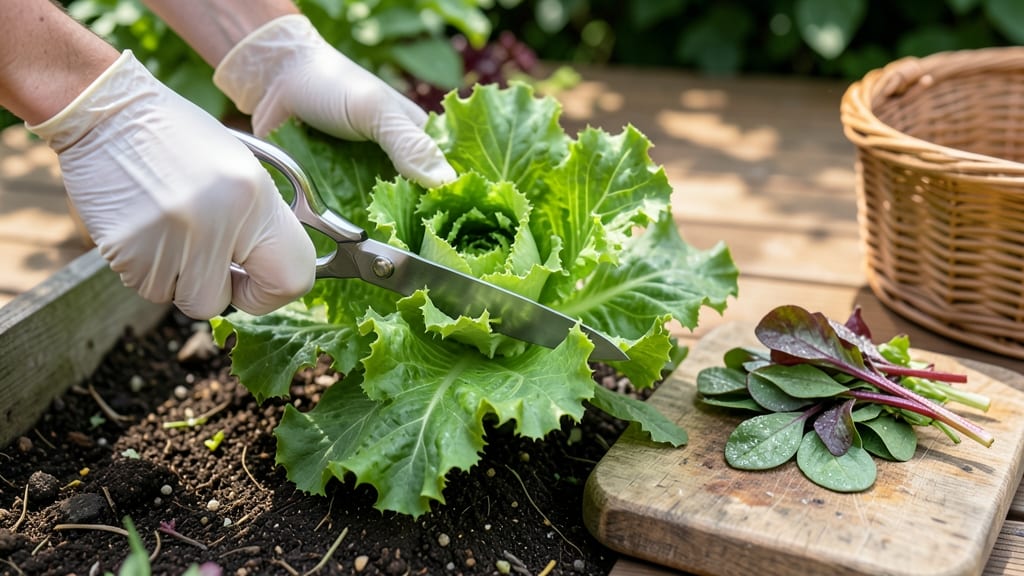
To harvest loose leaf lettuce 🥬 at its peak flavor and encourage regrowth, focus on leaves that are 4-6 inches long—this is the sweet spot for both taste and plant health.
Picture this: you step into your garden and see those crisp, vibrant leaves just begging to be picked. But wait—cutting too much at once or harvesting too early can stunt your plant’s growth and leave you with fewer greens over time.
In this guide, I’ll walk you through the exact timing, tools, and techniques to harvest loose leaf lettuce without harming the plant, plus how to keep your lettuce producing fresh leaves all season long.
You’ll learn the best practices for regrowth, how to avoid common mistakes, and even how to troubleshoot if your lettuce starts bolting or slowing down.

When to harvest loose leaf lettuce for optimal regrowth and flavor
Timing your harvest of loose leaf lettuce is the secret to enjoying fresh greens all season while keeping your plants productive. Unlike head lettuce, loose leaf varieties like Black Seeded Simpson or Buttercrunch regrow after harvesting—if you pick at the right moment.
The key is waiting until leaves reach 4-6 inches long while avoiding bolting (when the plant sends up a flower stalk).
Weather plays a huge role too. Harvest on cool, cloudy days when temperatures stay below 75°F to prevent stress. In hot climates, morning harvests work best to avoid wilting. Seasonally, aim for spring and fall harvests in most USDA zones (like Zone 6a), as summer heat triggers bolting faster.
Here’s how to spot the perfect harvest time:
| Harvest Cue | Details | Action |
|---|---|---|
| Leaf Size | 4–6 inches long | Harvest outer leaves first |
| Leaf Texture | Firm and crisp | Avoid soft or mushy leaves |
| Color | Vibrant (deep green, red, or purple) | Dull colors signal aging |
| Plant Age | 30–45 days after sowing | Never wait past 60 days |
| Bolting Signs | Tall stems or flower buds | Harvest immediately or remove plant |
Bolting is your biggest enemy—once lettuce bolts, the leaves turn bitter and tough. Watch for tall stems or yellowing leaves as early warnings. If you see a flower stalk, harvest what’s left immediately or pull the plant entirely to avoid spreading seeds.
In hot zones, use shade cloth to delay bolting and extend your harvest window.
Seasonal timing matters too. In spring, you can start harvesting as early as May in Zone 6a, while fall harvests peak in October-November. For continuous harvests, plant new seeds every 2–3 weeks after your first crop. This "succession planting" ensures you always have fresh leaves ready to pick.
Pro tip: Always harvest outer leaves first to protect the plant’s growth center. Use clean, sharp scissors or pruners to snip leaves at their base, leaving at least 1–2 inches of stem.
This encourages new growth while minimizing damage. Avoid pulling leaves by hand, as it can tear the plant and invite pests.
After harvesting, give your lettuce a light fertilizer with high nitrogen (like 5-10-10) to promote regrowth. Water deeply in the morning to keep soil moist but not soggy. With proper care, a single loose leaf plant can provide multiple harvests over 6–8 weeks—far more than a single head lettuce!
Finally, store harvested leaves in a perforated plastic bag in the fridge for up to 5–7 days. Rinse them just before eating to preserve crispness. By mastering these timing cues, you’ll enjoy a steady supply of fresh greens all season long.
🥬
Step-by-step method for harvesting without damaging the plant
Harvesting loose leaf lettuce properly keeps your plants healthy and productive. The key is to remove leaves strategically while leaving the plant’s growth center intact. This method ensures continuous harvests without stressing the plant or inviting pests.
I’ll walk you through the exact steps, from tools to post-harvest care, so you can enjoy fresh greens all season long.
Before you begin, gather your harvesting tools—a sharp pair of scissors or pruning shears (cleaned with rubbing alcohol) and a small bowl for your leaves. Avoid using your fingers to pluck leaves, as this can tear the plant and create entry points for disease.
Wearing gardening gloves also helps protect your hands from soil and sharp leaf edges.
- 🌱 Identify the outer leaves: Choose the largest, most mature leaves (4-6 inches long) on the outer edges of the plant. These are ready for harvest and won’t harm the center.
- ✂️ Make a clean cut: Hold the leaf firmly and cut it just above a leaf node (the small bump where new leaves grow). This encourages regrowth from that point.
- 🌿 Avoid the center: Never remove more than 1/3 of the plant’s leaves at once. The inner rosette must stay intact to keep producing new growth.
- 💧 Water immediately after: Give the plant 1 inch of water to reduce stress. Watering in the morning prevents evening dampness that can attract slugs.
- 🌱 Fertilize lightly: After harvesting, apply a balanced fertilizer (5-10-10) to replenish nutrients. Focus on the soil around the base, not the leaves.
Frequency is crucial for sustained regrowth. Harvest loose leaf lettuce every 2-3 weeks during its active growing season (spring and fall). In hot summer months, reduce harvesting to every 3-4 weeks to prevent bolting caused by stress.
Always check for vibrant color and crisp texture—these are signs your plant is ready for another round.
Post-harvest care is just as important as the harvesting itself. After cutting, rinse your tools with soapy water to prevent cross-contamination between plants. Remove any yellow or damaged leaves left on the plant, as they can harbor pests.
Mulch around the base with straw or compost to retain moisture and suppress weeds, which compete for nutrients.
If you notice stunted regrowth after harvesting, your plant may need more nutrients. Add a compost tea or a low-nitrogen fertilizer to encourage leaf production. Avoid over-fertilizing, as this can lead to bitter-tasting leaves.
With proper care, your loose leaf lettuce can provide harvests for 6-8 weeks or even longer with successive plantings.
Patience and consistency are key. By following these steps, you’ll enjoy a bountiful supply of fresh greens while keeping your plants thriving. Happy harvesting! 🥬