
How To
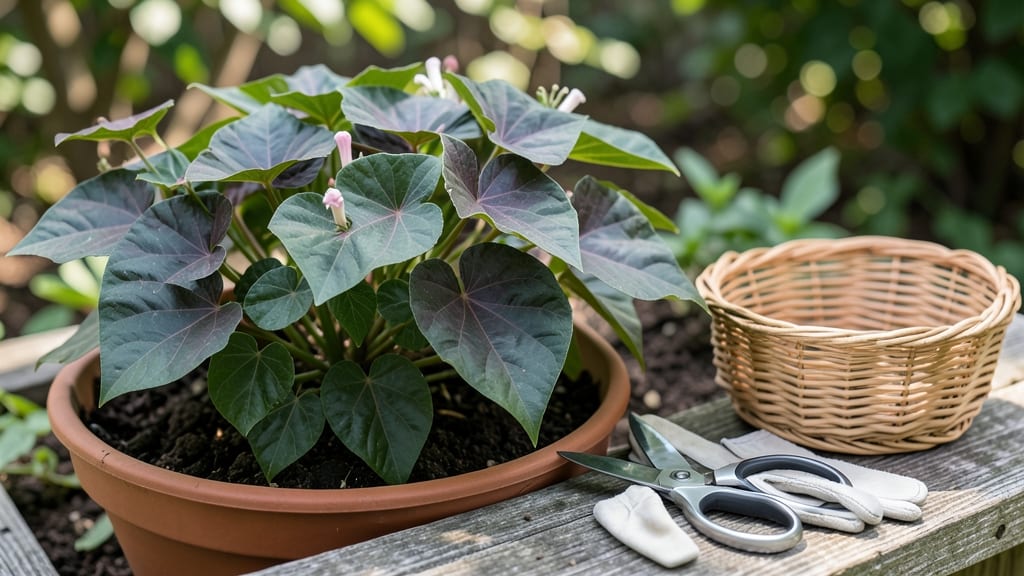
Harvesting Malabar spinach 🌿 the right way means tender leaves, bushier plants, and a never-ending supply of homegrown greens—without turning your kitchen garden into a leafless stump.
Picture this: You’ve waited 60 days for those first glossy leaves to pop, and now you’re staring at a plant that looks like it’s been through a windstorm.
The secret isn’t just when you pick—it’s how. A wrong snip can stunt growth, while the right technique keeps your Malabar spinach thriving for months.
In this guide, I’ll walk you through the exact leaf size to harvest, the best tools (spoiler: your fingers work just fine), and the morning vs. evening timing that makes all the difference.
We’ll also cover how often to harvest without burning out your plant—and yes, you can get both leaves and shoots for maximum yield.
By the end, you’ll know not just when to reach for those leaves, but how to do it so your Malabar spinach keeps giving—long after your neighbors’ plants have gone to seed.

When to harvest Malabar spinach for optimal leaf growth
Harvesting Malabar spinach at the right time ensures tender, flavorful leaves while encouraging continuous regrowth. Unlike traditional spinach, this tropical vine produces best when you follow its natural growth rhythm.
The key is watching for leaf maturity—not just size, but also color and texture—to avoid stunting your plant.
For tropical climates (USDA Zones 10-12), you can harvest year-round, but spring and fall yield the most vigorous growth. In subtropical zones (7-9), focus on summer to early autumn when temperatures stay above 60°F.
If you live in cooler regions (6-7), treat it as an annual and harvest before the first frost.
Your harvest window opens when leaves reach 4-6 inches long and develop a deep green, glossy finish. Younger leaves (2-3 inches) are milder and more delicate, perfect for salads, while larger leaves (6+ inches) work well for stir-fries or cooking.
The stem should feel firm—not mushy—when gently squeezed.
Timing matters beyond size: always harvest in the morning when leaves are hydrated and crisp. Avoid harvesting after heavy rain or during peak afternoon heat, as leaves can wilt faster and stress the plant. Pro tip: Rotate harvest areas if your plant sprawls to promote even growth.
| Harvest Stage | Leaf Size | Color & Texture | Best For | Climate Note |
|---|---|---|---|---|
| Early Harvest | 2-3 inches | Light green, tender | Salads, smoothies | Tropical zones only |
| Ideal Harvest | 4-6 inches | Deep green, glossy | Stir-fries, sautéing | All climates |
| Late Harvest | 6+ inches | Dark green, fibrous | Cooked dishes | Subtropical zones |
| Over-Mature | 8+ inches | Tough, yellowing | Avoid | All climates |
Balancing harvest frequency is crucial. For bushy regrowth, harvest no more than 1/3 of the plant at a time. In tropical climates, you can harvest every 2-3 weeks year-round, while subtropical zones may need a 4-6 week break during winter.
Always leave 3-4 healthy leaves per stem to sustain photosynthesis.
Seasonal adjustments are key: in summer, when growth is rapid, you can harvest more frequently but focus on younger leaves. In fall, slow growth means less frequent harvesting—prioritize larger leaves to maximize yield before cooler weather sets in.
If your plant stops producing, it may need fertilizer or more sunlight.
Watch for new shoots emerging after harvest—a sure sign your plant is recovering. If you notice yellowing leaves or stunted growth, you’re harvesting too aggressively. Prune back overcrowded stems to improve airflow and reduce disease risk. In drought-prone areas, harvest less frequently to conserve plant energy.
Pro tip: Label your plants if you’re growing multiple varieties. Malabar spinach can cross-pollinate with vine spinach, affecting flavor and texture. Always use clean, sharp scissors or pruners to avoid damaging stems. Disinfect tools with rubbing alcohol between harvests to prevent bacterial or fungal spread.
Remember, patience pays off. Rushing harvests leads to bitter, tough leaves and weakens the plant. By following these timing cues, you’ll enjoy months of lush, continuous harvests—without sacrificing your Malabar spinach’s long-term health. Happy harvesting! 🌿✂️
Step-by-step leaf harvesting techniques to avoid stunting growth
Harvesting Malabar spinach correctly keeps your plant thriving while ensuring a steady supply of tender leaves. The key is to use gentle techniques that encourage regrowth without stressing the vine.
Start by harvesting in the morning when leaves are hydrated and firm, reducing damage. Avoid harvesting after heavy rain or during extreme heat, as this can stress the plant.
Never use sharp tools like knives or scissors—they tear leaves and expose the plant to pests and diseases. Instead, rely on your fingers and clean, sharp pruning shears for larger stems.
Focus on harvesting outer leaves first to protect the plant’s core and encourage bushier growth. This method mimics natural pruning and prevents overcrowding.
Choose leaves 4-6 inches long with deep green color. Avoid harvesting leaves with yellow or brown spots.
Use your thumb and forefinger to pinch the leaf 1 inch above the stem. Gently pull downward to detach it cleanly without tearing.
Trim 1/3 of the vine length every 4-6 weeks to encourage new shoots. Avoid cutting more than 25% of the plant at once.
Pick leaves every 2-3 weeks during peak growth (spring-summer). Reduce to once a month in fall/winter when growth slows.
Water the base immediately after harvesting to reduce shock. Apply compost tea every 2 weeks to support recovery.
Timing your harvests matters just as much as technique. Morning harvests (between 7-9 AM) yield the freshest leaves and minimize stress. Evening harvests can leave leaves vulnerable to overnight pests or fungal growth.
If you must harvest later, wait until 2-3 hours before sunset to allow leaves time to dry slightly.
Pruning isn’t just for aesthetics—it’s a growth hack for Malabar spinach. When you trim back the vine by 1/3 of its length, you trigger the plant to produce lateral shoots, resulting in a bushier, more productive plant.
Always use clean shears and make cuts at a 45-degree angle just above a leaf node to encourage faster healing.
Watch for signs your harvest is too aggressive: yellowing leaves, stunted growth, or sparse new shoots. If you see these, scale back to harvesting only the largest leaves and focus on nurturing the plant’s core.
With the right balance, your Malabar spinach will reward you with continuous harvests for months—even years—if grown as a perennial in warm climates.