
Flowers
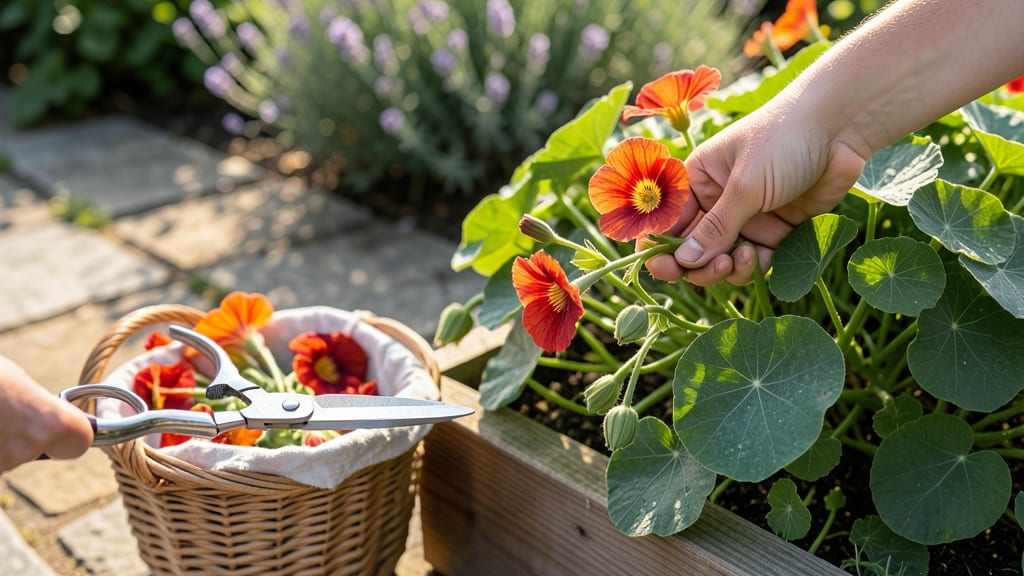
Harvesting nasturtium flowers at the right time ensures their bright, peppery flavor stays at its peak 🌸—and keeps your plants blooming all season.
Picture this: you’ve spent weeks watching those vibrant orange and yellow blooms unfurl, only to pick them too late and end up with bitter petals. Nasturtiums are one of the few flowers you can eat straight from the garden, but timing is everything.
A morning harvest delivers the freshest taste, while waiting too long turns those edible gems into tough, seedy disappointments.
Whether you’re snipping blooms for salads, drying them for potpourri, or saving seed pods for next year’s crop, knowing when and how to harvest makes all the difference.
Below, I’ll walk you through the best moments to cut, how to handle them without damaging the plant, and simple tricks to keep your nasturtiums producing nonstop.
By the end, you’ll know exactly when to reach for those shears—so you can enjoy sweet, crisp nasturtiums from June right through October.

Best time to harvest nasturtium flowers for peak flavor and edibility
Harvesting nasturtium flowers at the right moment transforms their peppery, tangy flavor from good to exceptional. Unlike many edible flowers, nasturtiums develop bitterness as they age, so timing is everything.
The best harvest window is when flowers are fully open but still vibrant, typically 60-90 days after planting—right when your summer garden peaks.
Morning harvests yield the brightest flavors because dew hasn’t settled on petals, and afternoon heat hasn’t stressed the plant. Aim for 6-9 AM when temperatures are cool, and flowers are crisp. This timing also prevents wilting before you use them in salads or garnishes.
For seed pods, the flavor window narrows to just 3-5 days after flowering. When pods turn from green to pale yellow, they’re prime for picking—this is when their mustard-like kick is strongest. Wait longer, and they’ll toughen up, losing their delicate crunch.
Maturity matters most with nasturtiums. Overripe flowers (petals drooping or brown centers) lose their peppery punch and gain bitterness. Even their leaves become less palatable as they age, so prioritize harvesting blooms first to encourage more growth.
| Harvest Stage | Optimal Time | Key Features | Flavor Profile |
|---|---|---|---|
| Fully Open Flowers | Morning (6-9 AM) | Petals fully unfurled, vibrant color, slight browning at center | Peppery, tangy, sweet |
| Seed Pods | 3-5 days post-flowering | Pale yellow, firm but tender, 1-2 inches long | Mustard-like, sharp, crunchy |
| Leaves (Young) | Any time before flowering | Bright green, tender, 2-4 inches long | Mild, slightly peppery |
| Overripe Flowers | Avoid (wilting/drooping) | Drooping petals, brown centers, brittle stems | Bitter, harsh, inedible |
To identify the perfect specimen for cutting, look for fully unfurled petals with a vibrant orange, yellow, or red hue. The center should show early signs of aging (slight browning), but petals must remain crisp. Gently tug a bloom—if it releases easily without resistance, it’s ready.
Pro tip: Harvest every other flower on a stem to encourage bushier growth. This method ensures a continuous supply of edible blooms throughout the summer. Always use clean, sharp scissors or pruners to avoid damaging stems, which can invite disease.
For longer storage, harvest flowers early in the morning and refrigerate in a paper towel-lined container for up to 3 days. To dry them, tie stems in small bunches and hang upside down in a dark, well-ventilated space for 1-2 weeks.
Dried nasturtiums retain their flavor and make stunning garnishes.
If you’re growing nasturtiums for both beauty and culinary use, prioritize harvesting flowers over seed pods. Seed pods divert the plant’s energy away from producing more blooms, so balance your harvest to keep your garden flourishing all season long.
Remember: The earlier you harvest, the better the flavor. Nasturtiums reward patience with a bold, fresh taste that elevates any dish—just don’t wait too long! 🌸✂️🌿
Step-by-step guide to harvesting nasturtium flowers without damaging plants
Harvesting nasturtium flowers at the right time ensures peak flavor and encourages your plants to produce more blooms. The key is to pick them early in the morning when the petals are fully open but still crisp. This timing preserves their peppery flavor and prevents wilting before you use them.
Use clean, sharp pruning shears or your fingers to avoid crushing stems. Always cut or pinch just above a leaf node—this promotes new growth and prevents the plant from looking ragged. Never harvest more than one-third of the blooms at once to keep your nasturtiums thriving.
Harvest flowers in the early morning when they’re fully open but still firm. Avoid harvesting after noon, as heat can make petals bitter.
Look for vibrant petals with no browning at the edges. The center should show slight yellowing but not be fully wilted.
Use clean pruning shears or your fingers. Sterilize tools with rubbing alcohol to prevent disease spread.
Cut the stem just above a leaf node at a 45-degree angle. This encourages new growth and better water absorption.
Let 5-10% of flowers mature into seed pods. Once pods turn brown and dry, pinch them off to collect seeds for next season.
Remove wilted blooms immediately to redirect energy to new flowers. Water plants deeply after harvesting to restore moisture.
After harvesting, store nasturtium flowers in the fridge for up to 3 days in a damp paper towel. For longer storage, dry them on a screen in a shady, well-ventilated area. Once dry, store in an airtight container for up to 6 months.
To encourage continuous blooming, feed your plants with a balanced fertilizer every 4-6 weeks during the growing season. Deadhead spent blooms regularly to prevent seed production and keep energy focused on new flowers.
With the right techniques, your nasturtium plants will reward you with a steady supply of vibrant, flavorful blooms all season long. Happy harvesting!