
How To
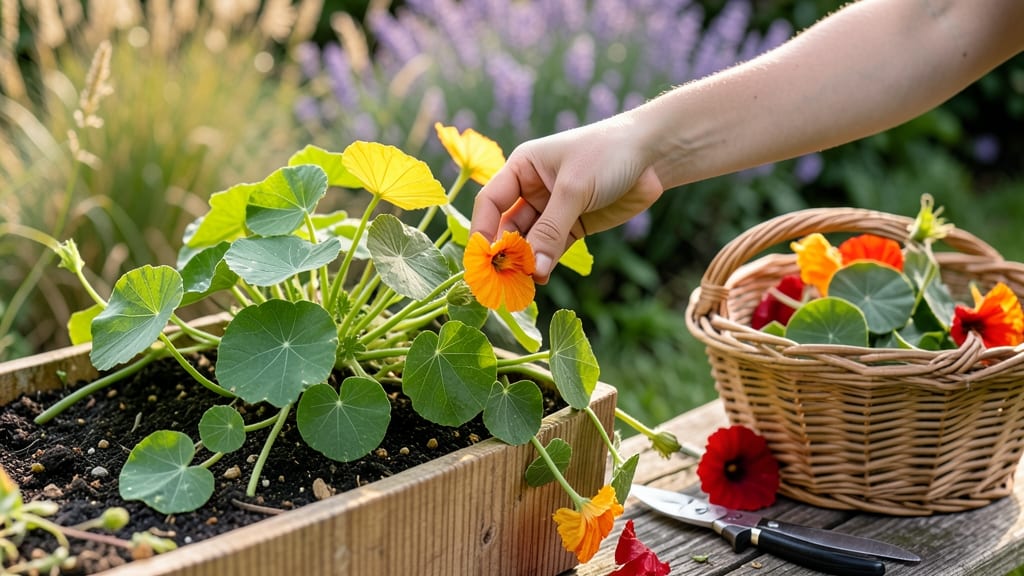
To harvest nasturtium 🌸 at peak flavor and productivity, you’ll want to time your cuts just right—flowers, leaves, and seed pods each have their own sweet spot for the best taste and yield.
Picture this: your nasturtiums are bursting with vibrant blooms, but you’re not sure when to snip them for the best edible results. Or maybe you’ve watched seed pods dry out too soon, leaving you with fewer seeds to save for next year.
These are the moments where a little know-how makes all the difference.
Harvesting nasturtiums isn’t just about cutting what looks pretty—it’s about balancing flavor, plant health, and continuous growth. Whether you’re after peppery flowers for salads, tender leaves for garnishes, or seed pods for saving, the timing and technique matter more than you might think.
In this guide, I’ll walk you through the exact steps to harvest each part of your nasturtium—from the first bloom to the last seed pod—so you can enjoy a bountiful harvest all season long without damaging your plants.

When and how to harvest nasturtium flowers for maximum edible yield
Timing your nasturtium harvest correctly is key to enjoying their peppery, vibrant flavors while keeping your plants thriving. These edible flowers reach their peak flavor and appearance when fully open but still fresh.
Harvesting at the right moment ensures your plants continue producing blooms instead of focusing energy on seed development. Let’s dive into the best practices for morning harvesting, choosing the right tools, and maintaining plant health.
One of the first decisions you’ll make is when to harvest. The best time of day is early morning after the dew has dried but before the sun intensifies. This ensures flowers are fully hydrated and flavorful.
Avoid harvesting in the evening, as moisture can linger, increasing the risk of rot or fungal issues. I’ve found that 6:00–9:00 AM works perfectly for my garden, giving me fresh blooms for breakfast garnishes or immediate culinary use.
Not all nasturtium varieties are created equal when it comes to flavor. Tropaeolum majus, the classic trailing nasturtium, delivers the most intense peppery kick when harvested at the fully open bloom stage.
Varieties like 'Empress of India' or 'Alaska' also excel, but their flavors can mellow slightly if left too long on the plant. For the best edible yield, prioritize harvesting these varieties first—they’re the stars of your garden’s flavor profile.
- 1. Choose fully open blooms – Harvest only when flowers are completely open but still vibrant. Partially open buds lack full flavor.
- 2. Use clean, sharp scissors – Avoid tearing stems; use sterilized pruning shears to prevent disease and encourage new growth.
- 3. Cut stems at a 45-degree angle – This promotes faster regrowth and reduces water loss from the plant.
- 4. Harvest in the morning – 6:00–9:00 AM ensures maximum flavor and moisture content in petals.
- 5. Leave lower leaves intact – Preserve 2–3 sets of leaves below the flower to support photosynthesis and plant health.
- 6. Space out harvests – Never take more than 1/3 of blooms from a single plant at once to maintain continuous production.
Your harvesting tools play a bigger role than you might think. Dull scissors or fingers can crush stems, leading to slower recovery and even plant stress. I always keep a pair of small, sharp pruners dedicated solely to nasturtiums—sterilized with rubbing alcohol between uses.
This prevents the spread of bacterial or fungal infections that can weaken your plants. For large batches, a clean kitchen knife works too, but always wipe it down afterward.
Encouraging continuous blooming is where many gardeners go wrong. Nasturtiums are prolific, but they’ll shift energy from flowers to seed pods if over-harvested. To keep your plants flowering, I recommend a pinch-and-harvest strategy: Remove spent blooms immediately after harvest to signal the plant to produce more flowers.
Additionally, deadhead regularly—this means snipping off any flowers that have faded or are wilting, even if you’re not using them for edibles.
Did you know that nasturtium flowers taste best when used within 24 hours of harvest? Their flavor intensifies when fresh but can mellow if stored too long. For immediate use, place harvested blooms in a glass of cold water in the fridge to maintain crispness.
If you need to store them longer, gently pat them dry with a paper towel, then spread them on a paper towel-lined tray in the fridge. They’ll keep for up to 3–4 days this way, though flavor peaks on day one.
Some gardeners make the mistake of harvesting only the largest flowers, assuming they’re the ripest. In reality, medium-sized, fully open blooms often pack the most flavor and color intensity. Oversized flowers may look impressive but can be slightly bitter.
To test, I always taste a small sample from each batch—this helps me gauge when the flavor is at its peak. Pro tip: 'Alaska' nasturtiums have a milder, almost citrusy note, while 'Dwarf Jewel Mix' delivers a sharper peppery punch.
If you’re growing nasturtiums for both flowers and seeds, balance is key. Seed pods form after flowers fade, and allowing a few to develop ensures next year’s harvest. However, if you’re focusing solely on edible flowers, remove all fading blooms to redirect the plant’s energy.
This simple adjustment can double your flower yield in just a few weeks. I’ve seen my nasturtium bushes go from sparse blooms to lush, continuous flowers by implementing this strategy.
Finally, don’t forget to rotate your harvesting spots if you’re growing nasturtiums in containers or small garden beds. Focusing harvests on one area can stress the roots and lead to uneven growth.
By moving around the plant and harvesting from different stems, you’ll encourage balanced, bushier growth and a more abundant harvest overall. With these techniques, your nasturtiums will reward you with a never-ending supply of edible blooms all season long.
Step-by-step guide to harvesting nasturtium seed pods for saving seeds
Saving nasturtium seeds is a rewarding way to ensure next year’s crop thrives with the same vibrant blooms and peppery flavor. The key lies in harvesting seed pods at the perfect stage—when they’re firm, green, and just beginning to turn papery.
If you wait too long, the pods may split open and scatter seeds prematurely, reducing your yield. With the right timing and technique, you’ll collect high-quality seeds that germinate easily for future gardens.
Begin by scanning your nasturtium plants for seed pods that look like tiny, elongated peapods. These pods form after the flowers fade and should feel plump and slightly crisp to the touch. Avoid harvesting pods that are already drying out or turning brown, as these seeds may not germinate well.
A sharp pair of pruning shears or clean scissors makes the job cleaner than pulling by hand, reducing damage to the plant.
How to Harvest Nasturtium Seed Pods
- 1 Identify mature pods: Look for pods that are 1-2 inches long, firm, and green but starting to turn papery. They should feel slightly crisp when gently squeezed.
- 2 Harvest with clean tools: Use sterilized pruning shears to snip pods just above the stem. Avoid crushing the pods, as this can damage the seeds inside.
- 3 Dry pods indoors: Lay pods on a paper towel in a warm, dry place (like a sunny windowsill) for 1-2 weeks. They’re ready when they turn brown and rattle when shaken.
- 4 Extract seeds: Open dried pods and remove seeds. Store them in a paper envelope or glass jar in a cool, dark place for up to 3 years.
- 5 Test germination: Plant a few seeds to confirm viability. If they sprout within 7-14 days, your stored seeds are ready for next season’s garden.
If you notice pods opening prematurely, cover them with a breathable mesh bag to catch escaping seeds. This trick works wonders for varieties like ‘Alaska’ or ‘Jewel Mix,’ which can be prone to early seed dispersal.
Once dried, store seeds in a cool, dark place—like a sealed jar in your pantry—to maintain viability for up to 3 years. Label your seeds with the variety and harvest date to keep track of your favorites.
Troubleshooting is part of the process! If your seeds fail to germinate, check for moisture issues during storage or old seeds. For best results, plant seeds in well-draining soil and keep them moist until sprouts appear.
Nasturtiums are resilient, so even a few good seeds will give you a head start on next year’s colorful, edible garden.
With these steps, you’ll transform last year’s blooms into next year’s thriving plants—all while enjoying the satisfaction of homegrown seeds tailored to your taste. Happy harvesting! 🌱🌿