
How To
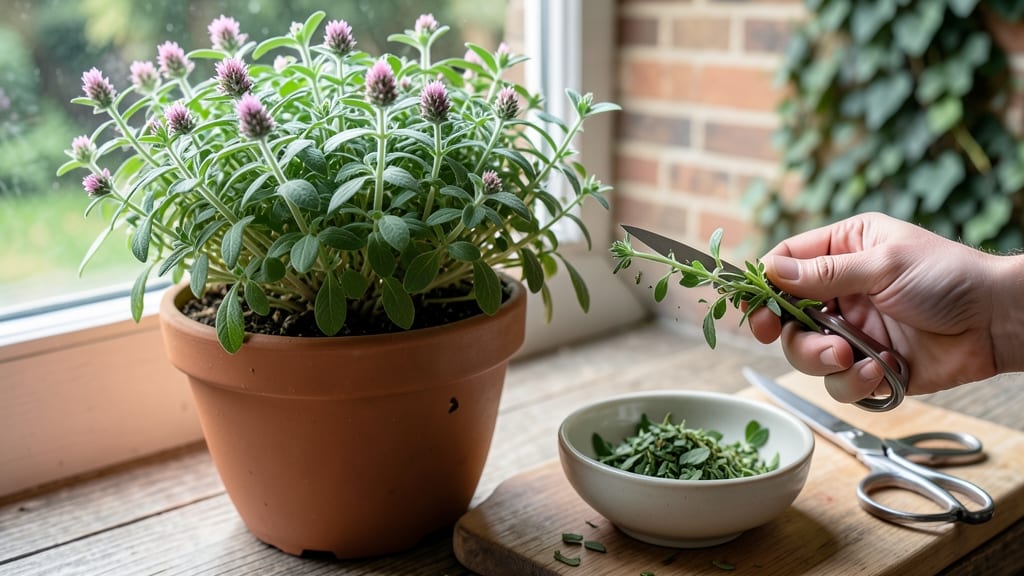
Harvesting oregano at the right time turns your 6-inch stems into a flavor powerhouse 🌿 — and skipping this step means missing out on the most aromatic leaves.
Picture this: you’ve waited all season for your oregano to thrive, and now those dark green, fragrant stems are begging to be used. But if you cut too early or too late, you’ll either get sparse leaves or bitter-tasting herbs.
The secret? Timing your harvest when the plant is at its peak — and doing it the right way to keep your oregano bushy and productive.
In this guide, I’ll walk you through the exact steps to harvest oregano without harming your plants, including the best tools to use and how to tell when stems are ready.
You’ll also learn how to store your harvest so it stays fresh longer — whether you’re drying it for winter or using it fresh in your favorite dishes.
From avoiding common mistakes like over-harvesting to encouraging regrowth, you’ll have everything you need to keep your oregano thriving for years. Let’s get started!

When and how to harvest oregano for maximum flavor and growth
Harvesting your oregano at the right time ensures the strongest flavor and keeps your plant healthy. The best time to harvest is when stems reach 6 inches tall, with fully developed leaves and a woody yet flexible stem.
This usually happens 60-90 days after planting, typically in late spring to early fall. Waiting until stems are 6 inches guarantees robust growth and prevents over-harvesting, which can stress your plant.
Look for dark green leaves that are abundant and emit a strong, pungent aroma when crushed. These are your key indicators that the oregano is ready for harvest. Avoid harvesting when the plant is flowering, as this can reduce flavor intensity.
Instead, focus on stems that are slightly woody but still bendable, ensuring the plant can recover and grow back vigorously.
Timing your harvest correctly also prevents disease. Cutting stems too close to the base or during wet conditions can introduce pathogens. Always harvest on dry, sunny mornings to minimize moisture and maximize flavor retention. This simple practice keeps your oregano thriving and ready for your next culinary project.
Step-by-Step Guide to Harvesting Oregano
-
Step 1: Choose the Right Stems
Select 6-inch stems with fully developed leaves and a woody texture. -
Step 2: Use Clean Pruning Shears
Sterilize your pruning shears with rubbing alcohol to prevent disease spread. -
Step 3: Cut Just Above a Leaf Node
Make a 45-degree angle cut about 1/4 inch above a leaf node for faster regrowth. -
Step 4: Harvest in the Morning
Pick stems when dew has dried but before noon for peak oil content. -
Step 5: Leave Some Foliage Behind
Never remove more than 1/3 of the plant to avoid stunting growth. -
Step 6: Store Immediately
Bundle stems with a rubber band and store in a paper bag in the fridge for up to 1 week.
Seasonal timing plays a crucial role in oregano harvests. In USDA Zone 6a, the ideal harvest window spans from June through September. During these months, your plant is at its peak growth, producing the most flavorful leaves.
Early morning harvests are ideal because the essential oils that give oregano its signature taste are most concentrated after a night's rest.
After harvesting, always leave at least 2-3 inches of growth on the plant to encourage new shoots. This practice promotes bushier growth and ensures your oregano plant remains productive for years.
Avoid cutting into the woody base, as this can harm the plant's ability to regenerate. Instead, focus on the outer stems to maintain a balanced shape and healthy growth.
One common mistake gardeners make is harvesting too aggressively. Over-harvesting can lead to stunted growth or even plant death. To avoid this, limit your harvests to every 4-6 weeks during the growing season.
This schedule gives your oregano enough time to recover and produce new growth. Always prioritize plant health over immediate harvests for the best long-term results.
If you're drying your oregano, harvest stems on a dry, sunny day and hang them upside down in a well-ventilated area away from direct sunlight. This method preserves the flavor and aroma while preventing mold.
Once dried, store the leaves in an airtight container away from light to maintain freshness for up to 1 year. Proper drying techniques ensure you can enjoy homegrown oregano year-round.
For immediate use, chop the harvested stems and store them in the refrigerator for up to 1 week or freeze them in ice cube trays for longer storage. This method is perfect for adding fresh oregano to your favorite dishes.
Whether you're drying, refrigerating, or freezing, always handle your harvests with care to preserve their flavor and potency. 🌿
Best practices for storing and using freshly harvested oregano
Once you’ve harvested your 6-inch oregano stems, preserving their bold flavor and freshness is key. Whether you plan to dry, freeze, or use immediately, proper storage prevents wilting and mold while keeping that aromatic punch intact.
Let’s dive into the best methods to maximize your harvest’s lifespan and versatility in the kitchen.
Fresh oregano is most potent when used within 3-5 days of harvesting, but with the right techniques, you can extend its shelf life for months.
The choice between drying, freezing, or short-term storage depends on your usage needs—whole leaves hold flavor better than chopped, while frozen oregano is perfect for quick cooking sessions.
Pros & Cons of Oregano Storage Methods
Drying
- ✅ Long shelf life (6-12 months)
- ✅ Retains flavor when stored properly
- ✅ No electricity required
- ❌ Slower process (1-2 weeks)
- ❌ Risk of mold if humidity is high
Freezing
- ✅ Fast and easy (ready in hours)
- ✅ Preserves freshness for 6-9 months
- ✅ Great for chopped leaves
- ❌ Limited shelf life compared to drying
- ❌ Freezer burn risk if not sealed well
Short-Term Storage
- ✅ Quick access for immediate use
- ✅ No prep required
- ❌ Short lifespan (3-5 days max)
- ❌ Wilting risk if not stored properly
For drying oregano, bundle stems and hang upside down in a dark, dry, well-ventilated space like a pantry or closet. Avoid direct sunlight, which can degrade flavor.
Once fully dried (leaves crumble easily), strip them from stems and store in airtight containers away from moisture. Label with the date to track freshness.
If you prefer freezing, wash and dry the leaves thoroughly, then spread them on a tray to flash-freeze for 1-2 hours. Transfer to ziplock bags or airtight containers, squeezing out excess air to prevent freezer burn.
For whole leaves, freeze them directly on a tray before bagging—this preserves their texture and flavor better than pre-chopping.
Avoid these common mistakes that ruin your harvest: storing oregano in plastic bags without ventilation, exposing it to heat or humidity, or cutting stems too short (leave 2-3 inches above the base).
Overcrowding in storage containers also traps moisture, leading to mold. Always use glass or food-grade containers for long-term storage.
Get creative with your stored oregano! Use whole dried leaves in soups or teas for a gradual infusion, while fresh or frozen chopped oregano works best in marinades, pesto, or sprinkled over pizza.
For a flavor boost, crush dried leaves between your fingers just before adding to dishes—this releases essential oils and intensifies the aroma.