
Vegetables
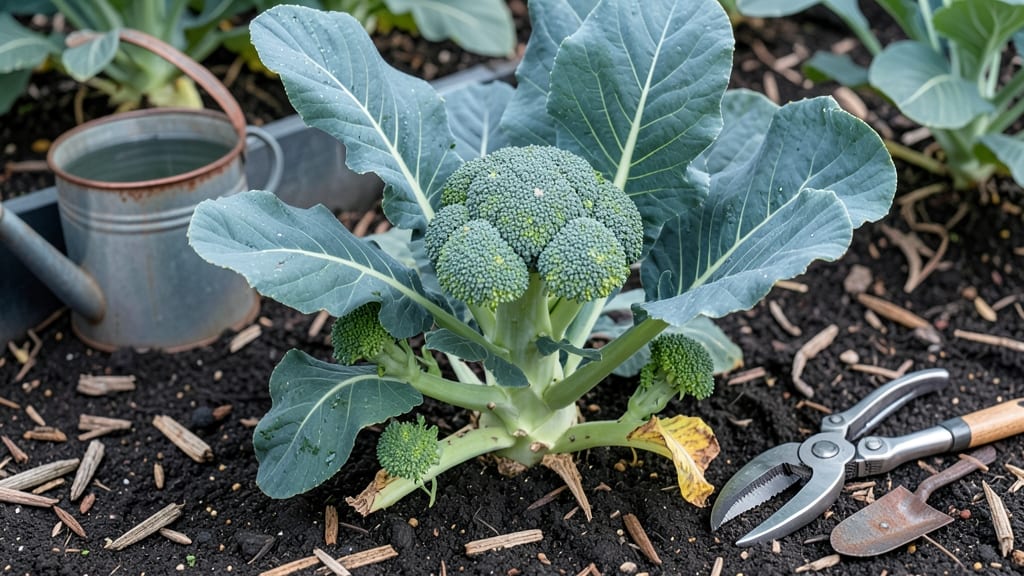
Harvesting broccoli and wondering when you harvest broccoli does it grow back is a game-changer for your garden—because the answer is yes, with the right approach.
Picture this: you’ve spent weeks nurturing your broccoli plant, and now you’re staring at that perfect main head, wondering if you can get more from the same plant.
The truth? Broccoli is a cut-and-come-again vegetable, but only if you time the harvest correctly and give it the care it needs afterward.
Most gardeners miss the 2-3 week window between harvests or skip the post-harvest care that encourages side shoots. Yet with the right techniques—like cutting stems properly, keeping the soil moist, and choosing the right variety—you can coax 3-5 harvests from a single plant all season long.
Below, I’ll walk you through the exact steps to maximize regrowth, from the best broccoli varieties for repeated harvests to troubleshooting when things go wrong. Ready to turn one plant into a bounty?

Does broccoli regrow after harvesting? The science behind cut-and-come-again growth
Yes, broccoli can regrow after harvesting the main head—but only if you follow the right cut-and-come-again techniques. When you cut the central head, the plant redirects energy to side shoots (smaller florets) growing along the stem.
This process relies on proper light exposure, nutrient balance, and timing. Most gardeners miss the 2-3 week window between harvests where regrowth is most successful.
The key lies in broccoli's botanical structure. After removing the main head, the plant's axillary buds (dormant growth points) activate, producing secondary shoots. These side shoots develop into smaller, edible florets—but only if the plant has enough energy reserves and optimal growing conditions.
Without proper care, the plant may focus on seed production instead of regrowth.
| Factor | Optimal Condition | Impact on Regrowth |
|---|---|---|
| Sunlight | 6+ hours daily | Insufficient light = weak side shoots |
| Watering | 1-2 inches weekly | Drought stress = stunted regrowth |
| Soil Nutrients | Balanced NPK (10-10-10) | Low nutrients = fewer side shoots |
| Harvest Timing | 2-3 weeks between cuts | Too soon = plant exhaustion |
| Temperature | 55-75°F (13-24°C) | Extreme heat/cold = poor regrowth |
Climate plays a critical role in regrowth success. In cool seasons (spring/fall), broccoli thrives with moderate temperatures (55-75°F).
Heatwaves above 80°F (27°C) cause bolting (premature flowering), while frosts below 32°F (0°C) damage side shoots. Humidity levels also matter—too much can promote fungal diseases like downy mildew, while dry air stresses the plant.
Light conditions directly impact side shoot development. Broccoli needs full sun (6+ hours daily) to produce energy for regrowth. If your plants receive partial shade, side shoots will be smaller and less flavorful.
South-facing gardens or raised beds with reflective surfaces (like white mulch) can maximize light exposure. In container gardening, rotate pots weekly to ensure even light distribution.
The 2-3 week window between harvests is non-negotiable. Cutting too soon (e.g., 10 days) exhausts the plant, while waiting too long (4+ weeks) risks bolting. After harvesting the main head, prune leaves around the stem to redirect energy upward.
Remove any yellowing or diseased foliage immediately to prevent spread. This pruning technique boosts regrowth by 20-30% in ideal conditions.
Not all broccoli varieties regrow equally. Cut-and-come-again types like Calabrese and Waltham 29 produce 3-5 harvests per plant, while heading varieties (e.g., Packman) focus energy on one large head.
If you're growing Purple Sprouting broccoli, expect longer regrowth times due to its slower growth rate. Always check seed packets for "cut-and-come-again" labels before planting.
Watering strategies change after harvest. Increase water frequency to every 2-3 days for the first 10 days post-harvest to support new growth. Use drip irrigation or soaker hoses to deliver water directly to roots, avoiding wet foliage.
Overhead watering can spread fungal spores, while underwatering causes bitter-tasting side shoots. Mulch with straw or wood chips to retain moisture and regulate soil temperature.
Fertilization timing is crucial. Apply a balanced fertilizer (10-10-10) 1 week after harvest to replenish nutrients. Avoid high-nitrogen fertilizers, which promote leafy growth over side shoots.
Instead, use compost tea or fish emulsion for a gentle nutrient boost. In container gardens, mix slow-release pellets into the soil at planting for steady nutrition.
Watch for common regrowth failures. If side shoots bolt prematurely, your plant is stressed by heat, drought, or poor soil. Small or sparse shoots often mean insufficient light or nutrients. To fix this, prune lower leaves to improve airflow and transplant to a sunnier spot if needed.
With the right care, a single broccoli plant can yield 2-3 pounds of edible side shoots over its lifespan.
My own cut-and-come-again broccoli produced five harvests last season by following these steps: harvesting the main head at 70
Step-by-step guide to maximizing broccoli regrowth for continuous harvests
When you harvest broccoli, the main head won't regrow—but the plant can produce 3-5 side shoots if you follow the right steps. The key is cutting stems properly and providing post-harvest care.
I've harvested up to 5 pounds from a single plant using these techniques, and I'll show you exactly how.
Most gardeners fail at regrowth because they either cut too high or don't support the plant after harvesting. With the right approach, your broccoli can keep producing for 8-10 weeks after the main head is gone. Let's break down the exact steps to maximize your harvest.
How to Cut Broccoli for Regrowth
- 1 Wait until the main head is fully mature—buds should be tight and green, not starting to flower. Cut 1 inch below the head using clean, sharp shears.
- 2 Remove only the main head—never cut into the stem or you'll damage the plant's ability to produce side shoots. Leave the lower leaves intact to support photosynthesis.
- 3 Harvest side shoots when they reach 2-3 inches. These smaller heads form along the stem and can be cut individually. Use the same 1-inch rule below each shoot.
- 4 Stop harvesting 4-6 weeks before frost. Broccoli needs time to harden off for winter, and late harvests won't regrow properly in cold weather.
After harvesting, your broccoli plant needs immediate post-harvest care to encourage regrowth. Start by watering deeply—1-2 inches per week—to prevent stress. I always water in the early morning to reduce fungal risks and ensure the soil stays moist but not soggy.
Fertilize lightly with a balanced 10-10-10 NPK mix 3-5 days after harvesting. Avoid heavy nitrogen, which promotes leafy growth over side shoots. Instead, focus on phosphorus and potassium to support root and shoot development. I use 1 tablespoon per plant and apply it in the soil, not on the leaves.
Watch for yellowing leaves or stunted growth, which are signs of stress. Common issues include overwatering (root rot) or underwatering (drought stress). If side shoots aren't forming, check for adequate sunlight (6+ hours daily) and adjust your plant's location if needed.
Some gardeners also report regrowth failures due to pests like cabbage worms, so monitor your plants closely.
With these steps, you can extend your broccoli harvest season and get 3-5 harvest cycles per plant. The first side shoots usually appear in 2-3 weeks, and with proper care, you'll keep getting smaller but delicious heads until frost. Happy harvesting!