
Picking
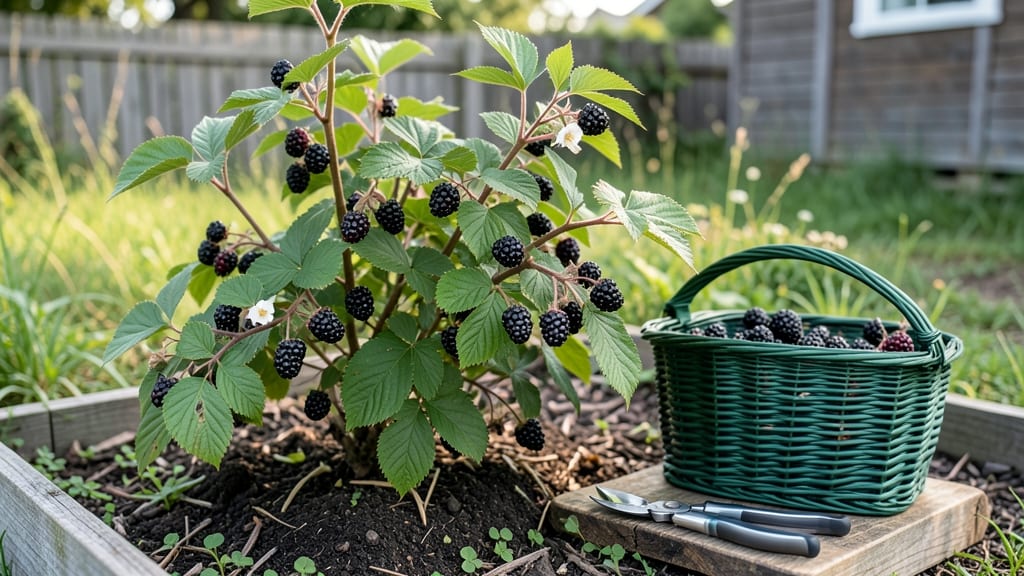
Harvesting blackberries at the perfect time during the blackberry harvest season turns your garden into a treasure trove of sweet, juicy fruit — but miss the window, and you’ll be left with bland, mushy berries that spoil in days.
Picture this: you’ve waited months for your 🫐 blackberries to ripen, only to pick them too soon and watch them turn mealy before you can enjoy them. The difference between a perfect harvest and wasted berries often comes down to knowing exactly when to pluck them.
In USDA Zone 6a, blackberries typically reach peak ripeness between July and September, but timing depends on your local climate, variety, and even the weather that year.
The key is learning the subtle cues — like color, texture, and how easily they detach — that signal it’s time to harvest.
Once you master the art of picking at peak sweetness, you’ll also discover how to store them properly to enjoy their flavor for weeks. Below, I’ll walk you through everything from recognizing the perfect berry to extending its shelf life, so you never waste another harvest again.

When to harvest blackberries for maximum sweetness and ripeness
Picking blackberries at the perfect moment transforms your harvest from mealy disappointments to bursting, sweet treasures. The difference between peak ripeness and spoilage often comes down to timing—especially since blackberries overripe quickly once they detach from the vine.
Understanding the visual and tactile cues ensures you enjoy the richest flavor and longest shelf life.
Climate plays a huge role in harvest timing. In warmer zones (USDA 8-10), blackberries may ripen as early as June or July, while cooler regions (USDA 5-7) often see peak harvests in August or September.
Even within the same zone, microclimates can shift your harvest window by weeks. Paying attention to local frost dates and flowering patterns helps you predict when to start checking your berries.
Color isn't the only indicator—though fully black berries are a great starting point. The detachment test is non-negotiable: a ripe blackberry should pluck easily with a gentle twist. If it resists, it’s not ready. Overripe berries crush under pressure and may leak juice, signaling it’s past its prime. Combine these cues with a sweet aroma near the plant for foolproof results.
🌱
| Ripeness Indicator | Zone-Specific Timing | Action to Take |
|---|---|---|
| Fully black color | USDA 8-10: June-July USDA 5-7: August-September |
Check daily for ripening clusters |
| Easy detachment (gentle twist) | 2-3 weeks post-flowering | Harvest immediately to avoid spoilage |
| Glossy, uniform surface | Peak: Late morning sun | Pick in cool morning hours |
| Sweet aroma near plant | All zones: 150+ days post-planting | Harvest within 24 hours |
| Hard or red berries | Any zone, early season | Wait 5-7 days for ripening |
The detachment test is your best friend when harvesting blackberries. Gently grasp a berry between your thumb and forefinger and give it a light twist. If it detaches easily without resistance, it’s ready. If it stays attached or the stem snaps, it’s not ripe yet.
This test trumps color alone, as some varieties may appear black but remain underripe and tart. Pro tip: Use a small basket with a handle to avoid crushing berries during harvest.
Harvesting in the early morning after dew has evaporated prevents bruising and extends shelf life. Blackberries are delicate, so handle them with care—overcrowded containers lead to crushed fruit. Spread a clean towel in your harvest basket to cushion berries and prevent oxidation.
If you notice white or gray mold on any berries, remove them immediately to prevent spoilage of the entire batch.
Climate zone shifts harvest timing dramatically. In Southern states (USDA 8-10), blackberries may start ripening as early as late June, while Northern gardeners (USDA 4-6) often wait until late August or September.
Even within the same region, elevations and microclimates can delay ripening by weeks. For example, a mountain garden in Zone 6 might harvest a month later than a valley garden just 20 miles away.
Overripe blackberries lose flavor and texture rapidly. They become mushy, seedy, and fermented, often attracting pests like birds and rodents. If you miss the harvest window, process or freeze the berries immediately to salvage their sweetness.
Look for shriveled skin, leaking juice, or a sour smell—these are clear signs your berries have overstayed their welcome on the vine.
For extended harvest seasons, choose everbearing varieties like 'Natchez' or 'Arapaho', which produce two crops per year. These varieties ripen in early summer and late summer, giving you a longer window to enjoy fresh blackberries.
Plant them in full sun with well-draining soil and prune annually to encourage vigorous growth and abundant fruiting.
Once you’ve mastered the detachment test and color cues, harvesting blackberries becomes second nature. The key is consistency: check your plants every 2-3 days during peak season, and always harvest in the coolest part of the day.
With these tips, you’ll enjoy juicy, sweet blackberries at their absolute peak—ready for snacking, baking, or preserving.
🫐
How to store blackberries after harvest for longer freshness
Once you've harvested your peak-ripe blackberries, proper storage is key to preserving their flavor and texture for weeks. These delicate berries spoil quickly if left out, but with the right techniques, you can enjoy them fresh or transformed into preserves.
The secret lies in minimizing moisture exposure and temperature fluctuations—both enemies of freshness.
Blackberries are notorious for their short shelf life—typically just 2-3 days at room temperature. That's why understanding the three best storage methods (refrigeration, freezing, and drying) is essential.
Each method serves different needs, whether you're planning to eat them fresh within days or preserve them for months. Let's dive into the best practices for each approach.
🌱 Blackberry Harvest Season Pro Tip
Harvest blackberries in the morning after dew dries—they're coolest and firmest. Use clean, dry containers and store them unwashed to prevent mold. For best results, consume or process within 3-5 days of refrigeration.
For short-term storage, refrigeration is your best friend. Place whole, unwashed blackberries in a single-layer container lined with paper towels to absorb excess moisture. Store them in the crisper drawer of your fridge, where humidity levels are ideal.
This method keeps them fresh for 5-7 days, though flavor may decline after a week.
If you're planning for long-term use, freezing is the gold standard. Spread berries in a single layer on a baking sheet and freeze for 1-2 hours to prevent clumping. Transfer them to airtight freezer bags or containers, squeezing out excess air.
Frozen blackberries maintain their nutritional value and texture for up to 12 months, perfect for smoothies or baking.
Drying is another excellent option for preserving blackberries without electricity. Use a dehydrator at 135°F (57°C) for 6-8 hours or air-dry in a well-ventilated, shady spot for 2-3 days.
Store dried blackberries in glass jars with tight lids away from light. They'll keep for 6-12 months and make fantastic snacks or trail mix additions.
Regardless of your chosen method, always inspect berries before storage. Remove any that are bruised, moldy, or overly soft—these will spoil the rest. With these techniques, you'll turn your blackberry harvest season bounty into year-round enjoyment. 🫐