
How To
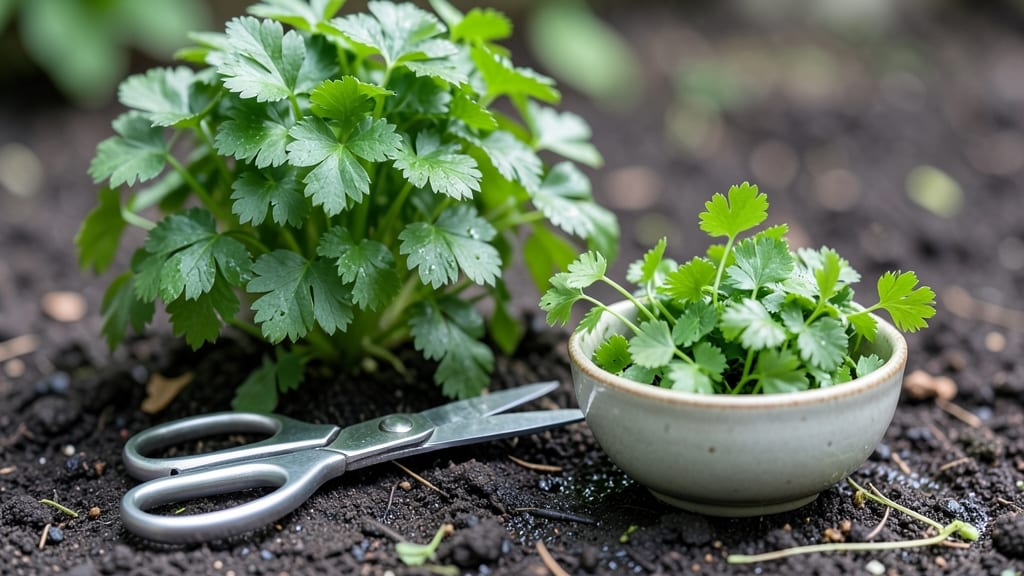
To harvest parsley so it keeps growing, focus on trimming the outer stems while leaving the center intact—this simple trick ensures a lush, continuous supply of fresh 🌿 leaves all season.
Struggling to keep your parsley fresh and flourishing? The secret to endless harvests lies in a simple technique that encourages regrowth—without sacrificing the plant’s health or flavor.
Most gardeners make the mistake of cutting too close to the base or harvesting too aggressively, which stunts growth. Instead, aim to remove no more than one-third of the plant at a time, always targeting mature outer leaves.
Below, I’ll walk you through the exact method for harvesting parsley, including the best tools, timing, and care tips to maintain a thriving plant for months—even in USDA Zone 6a.

The perfect parsley harvesting technique to encourage regrowth
Parsley is one of those herbs that seems to thrive on neglect—but that couldn’t be further from the truth. To get continuous harvests of fresh, flavorful leaves, you need to follow a precise harvesting technique that encourages regrowth.
The key? Cutting strategically while leaving enough energy for the plant to bounce back stronger than before.
Most gardeners make the mistake of snipping parsley too aggressively or at the wrong time, which leads to stunted growth or even death. But with the right approach, your parsley can keep producing bright green leaves for months—even years—without needing to replant.
The secret lies in understanding when to cut, where to trim, and how to use the right tools for the job.
Here’s the step-by-step method I’ve used to keep my parsley lush and productive all season long. Follow these steps, and you’ll never run out of fresh parsley again!
Harvest parsley only when the outer leaves reach 3-6 inches long and are fully unfurled. Immature leaves won’t regrow as robustly, and cutting too early stresses the plant.
Dull tools crush stems, making it harder for parsley to recover. Use bypass pruners or sharp kitchen scissors to make clean cuts without damaging the plant.
Always trim 1-2 inches above a set of leaves where the stem meets the plant. This ensures new growth will sprout from that node, keeping the plant bushier.
Over-harvesting weakens parsley and can lead to bolting (premature flowering). Stick to outer leaves only and avoid cutting into the center growth point.
Cut parsley early in the day when leaves are hydrated and flavors are most concentrated. This also gives the plant time to recover before evening.
After trimming, feed parsley with a balanced fertilizer (5-10-10) to replenish nutrients. This encourages faster regrowth and keeps leaves vibrant.
One common misconception is that you can cut parsley anywhere on the stem and it will still grow back. But parsley is sensitive—cutting too close to the base or removing too many leaves at once can shock the plant and reduce future yields.
Always prioritize outer leaves and leave the inner growth point intact.
If your parsley starts looking leggy or sparse after harvesting, it’s a sign you’re cutting too much. Adjust your technique by harvesting less frequently or focusing on smaller trims until the plant regains its vigor. With time, you’ll learn the perfect balance for your climate and growing conditions.
Pro tip: If you’re growing parsley in containers, rotate the pot every few weeks so all sides get equal sunlight. This ensures even growth and makes harvesting easier from all angles. A well-cared-for parsley plant can produce harvests for 2-3 years if you follow these steps!
Remember, parsley is a biennial herb, meaning it has a two-year life cycle. In its first year, it focuses on leaf growth, while the second year often leads to flowering.
To maximize leaf production, harvest aggressively in year one and let it flower in year two if you want seeds for next season.
With this snip-and-grow method, you’ll enjoy a steady supply of fresh parsley for soups, salads, and garnishes—all while keeping your plants happy and healthy. Happy harvesting! 🌿✂️
How often to harvest parsley for maximum yield without killing the plant
Parsley thrives when you follow a consistent harvesting schedule that balances yield and plant health. Unlike annuals that bolt quickly, parsley is a biennial herb that rewards patience with year-round greens if cared for properly.
The key lies in timing—harvest too much too soon, and you risk stunting growth; wait too long, and the plant may become woody or bitter.
For maximum regrowth, aim to harvest parsley every 4-6 weeks during its active growing season (spring through early fall). In mild climates, you can extend harvests into winter with light trims every 6-8 weeks.
Always prioritize outer leaves over inner stems to preserve the plant’s energy for new growth.
Never cut into the woody base of parsley—this kills the plant’s ability to regenerate. Instead, use clean, sharp scissors to snip stems at a 45-degree angle, about 1-2 inches above a leaf node. This encourages lateral branching and denser foliage over time.
Watch for signs of over-harvesting, like sparse leaves, yellowing, or stems turning brown and brittle. If this happens, reduce frequency immediately and fertilize lightly with compost tea. With the right balance, your parsley can produce harvests for 2-3 years!
Pro tip: Label your parsley with the last harvest date to track growth cycles. A well-maintained plant can yield up to 1 pound of greens per season—enough for endless soups, garnishes, and pest-repellent sprays! 🌿