
How To
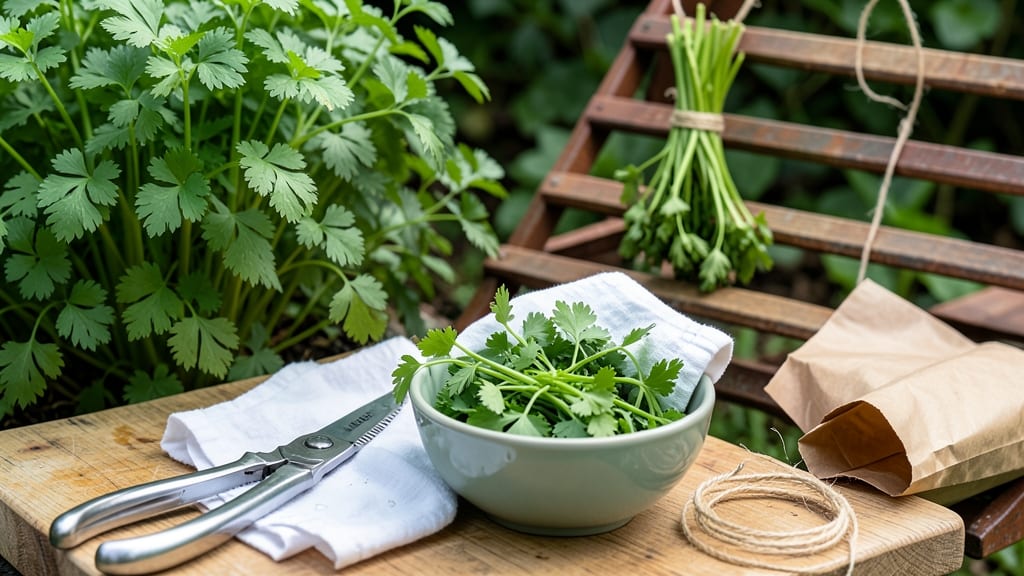
To harvest parsley to dry, you’ll want to pick it at its peak—when the leaves are dark green and fully mature but before the plant bolts.
Drying parsley at home is a simple way to keep its vibrant flavor in your kitchen all year—without the high cost of store-bought dried herbs. But timing and technique make all the difference between potent, aromatic bundles and dusty, flavorless scraps.
Most gardeners miss the best window for harvesting parsley 🌿, which is why dried parsley often loses its potency. The key is cutting stems just before flowering, when the leaves are still tender but packed with flavor.
In this guide, I’ll walk you through the exact steps to harvest, dry, and store parsley so you can enjoy its fresh taste year-round—plus, the mistakes that turn your dried parsley into a sad, flavorless shadow of its former self.

When and how to harvest parsley for drying (perfect timing matters)
Harvesting parsley at the right time ensures your dried herb retains its bright, fresh flavor instead of turning bitter or bland. The key is to pick leaves when they're fully mature but before the plant bolts or flowers.
For flat-leaf parsley, this typically happens 75-90 days after planting, while curly parsley matures slightly faster, around 60-75 days. Timing matters because over-mature leaves lose their vibrant aroma and become woody, which ruins the drying process entirely.
Look for dark green, vibrant leaves that are at least 4-6 inches tall with firm stems. Avoid harvesting if leaves appear pale, yellowed, or sparse—these are signs of stress or poor growth. Also, skip any stems that feel soft or flimsy, as they won’t dry properly.
The best time to harvest is in the morning after dew has dried, when essential oils are at their peak concentration.
Now, let’s dive into the perfect harvesting window and techniques to ensure your parsley dries beautifully. Here’s a quick reference to guide you:
When harvesting, use a sharp pair of scissors or pruning shears to cut stems about 2-3 inches above the soil line. This encourages new growth and prevents the plant from becoming leggy.
For larger harvests, you can cut multiple stems at once, but avoid taking more than one-third of the plant in a single session to avoid stressing it. Always leave at least 6-8 healthy leaves per stem to keep the plant thriving.
One of the biggest mistakes gardeners make is harvesting parsley with wet stems. Moisture trapped in the stems can lead to mold during drying, turning your herbs into a mushy mess.
To avoid this, shake off excess water or gently pat the stems dry with a clean towel before bundling. If you’ve harvested in the evening or after rain, let the stems air-dry for 1-2 hours before proceeding to the drying process.
Seasonal timing also plays a role in flavor. For flat-leaf parsley, the best harvest window is late spring to early summer, while curly parsley can be harvested slightly later, up to mid-fall.
If you’re in a cooler climate, aim to harvest before the first frost, as cold temperatures can make the leaves tough and less aromatic. In warmer regions, you can extend harvesting into early winter, but avoid freezing the stems before drying.
If your parsley starts to bolt or flower, it’s a clear sign to harvest immediately. While the leaves may still be usable, the flavor will diminish as the plant shifts its energy to seed production. Cut the entire stem, including the flower stalk, and dry it as usual.
The flavor won’t be as potent, but you’ll still get some usable dried parsley from it. To maximize future harvests, always remove flower stalks promptly to redirect the plant’s energy back to leaf production.
For a continuous supply of fresh parsley, consider successive planting. Sow new seeds every 2-3 weeks during the growing season to ensure you always have a crop ready for harvest.
This way, you’ll never run out of parsley to dry, and you can enjoy a steady supply of homegrown herbs year-round. Just remember: the fresher the harvest, the better the dried flavor will be.
Finally, store your dried parsley in an airtight container away from direct sunlight and moisture. Label the container with the harvest date, as parsley loses potency over time.
With the right timing and techniques, your home-dried parsley will stay flavorful for up to 12 months, making it a cost-effective and rewarding gardening project.
Best drying methods for parsley: bundle vs. air-dry vs. dehydrator (step-by-step guide)
Once you've harvested your parsley at the perfect time, the next step is drying it properly to preserve its bold flavor and aromatic oils. The method you choose affects drying time, flavor intensity, and even storage life.
Let's compare the three most effective techniques: hanging bundles, air-drying on screens, and using a dehydrator.
I've tested all three methods in my garden, and each has unique advantages. For example, hanging bundles is the most traditional method, while dehydrator drying offers the fastest results.
Meanwhile, air-drying on screens gives you more control over airflow. Below, I'll walk you through each method step-by-step, including time estimates and flavor retention results.
| Method | Prep Time | Drying Time | Flavor Retention | Equipment Needed |
|---|---|---|---|---|
| Hanging Bundles | 5 minutes | 2-3 weeks | 90% | Twine, dark pantry space |
| Air-Dry on Screens | 10 minutes | 1-2 weeks | 85% | Mesh screens, fan (optional) |
| Dehydrator Method | 15 minutes | 4-6 hours | 80% | Dehydrator, trays |
For hanging bundles, start by tying 5-7 stems together with twine at the base. Hang them upside down in a dark, dry place with good airflow, like a pantry or basement.
This method preserves the most flavor but requires patience—the leaves will be fully dry in 2-3 weeks. Check regularly for mold or excess moisture, which can ruin your harvest.
If you're short on time, try air-drying on screens. Lay your parsley stems on mesh screens in a single layer, ensuring leaves aren't overlapping. Place them in a well-ventilated area like a sunny windowsill or under a fan.
This method speeds up drying to 1-2 weeks while still retaining most of the herb's aromatic oils. Just watch for humidity—high moisture levels can slow the process.
The dehydrator method is ideal if you need dried parsley quickly. Arrange stems in a single layer on dehydrator trays, ensuring leaves aren't touching. Set the temperature to 95°F (35°C) and dry for 4-6 hours, checking occasionally.
This method is the fastest but may slightly reduce flavor intensity compared to air-drying. Plus, it uses electricity, so it's less eco-friendly.
No matter which method you choose, always strip the dried leaves from the stems once fully dry. Store them in airtight containers away from light to keep their flavor fresh for up to 1 year.
Avoid crushing the leaves, as this releases essential oils too quickly. For the best results, use your dried parsley within 6 months for maximum potency.
Pro tip: If you notice mold or slow drying, increase airflow or reduce humidity. A small fan can work wonders! Remember, the key to drying parsley successfully is patience and proper airflow—both are critical for preserving that garden-fresh taste all winter long. 🌿