
How To
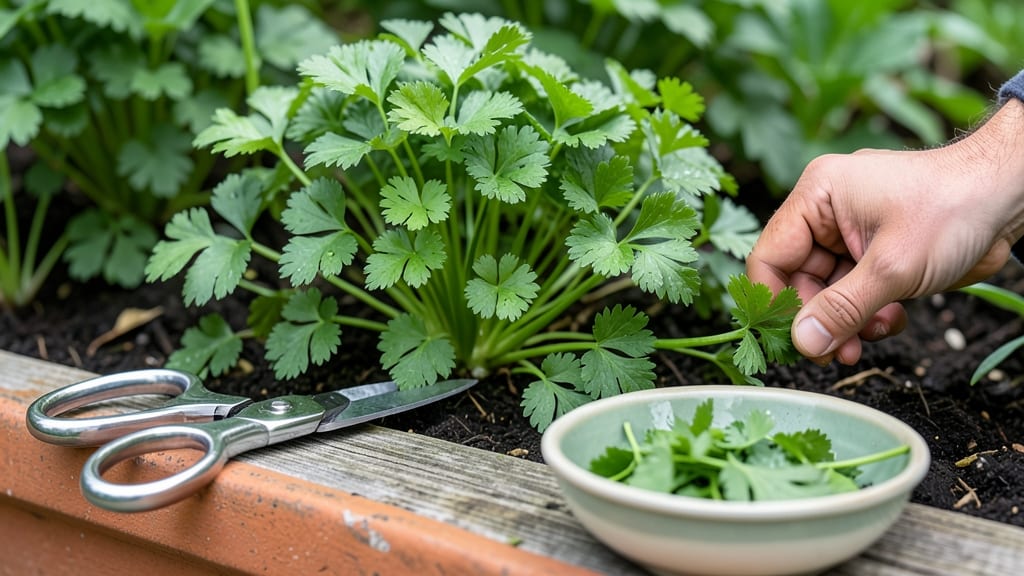
To harvest parsley without killing the plant, focus on cutting stems from the base while leaving at least half the foliage intact—this ensures regrowth and a steady supply of fresh leaves.
Struggling to keep your parsley thriving while still harvesting fresh leaves? The wrong harvesting technique can weaken your plant—and leave you without the flavorful greens you love. Here’s how to trim parsley like a pro without sacrificing future growth.
Many gardeners mistakenly snip leaves from the top or cut too close to the base, which stunts regrowth. Instead, use sharp scissors to trim stems at a 45-degree angle just above a leaf node, leaving the lower leaves untouched.
Below, I’ll walk you through the exact method for both flat-leaf and curly parsley, including the best time to harvest, how much to trim, and seasonal care tips to keep your plant lush and productive all year.

The correct way to harvest parsley for maximum regrowth
Parsley is one of those hardworking herbs that rewards you with fresh, flavorful leaves all season long—but only if you harvest it correctly. Unlike annual herbs that bolt quickly, parsley is a biennial that stores energy underground for regrowth.
The key to keeping your parsley thriving? Strategic trimming that encourages new growth while preserving the plant’s energy reserves.
Many gardeners accidentally over-harvest parsley, cutting too close to the base or removing too many leaves at once. This stresses the plant, leading to stunted growth or even death.
With the right technique, you can enjoy continuous harvests for months—even years—without sacrificing the plant’s health. Here’s how to do it like a pro.
⚠️ Pro Tip: Always harvest parsley on a dry, sunny morning when leaves are fully hydrated. This reduces stress on the plant and makes for fresher, crispier leaves. Avoid harvesting after rain or in extreme heat, as this can damage the foliage.
Step-by-Step Guide to Harvesting Parsley Without Killing the Plant
-
Step 1: Wait Until the Plant is Mature
Harvest parsley only after it reaches 6-8 inches tall with at least 6-8 fully developed leaves. Immature plants won’t recover well from trimming. -
Step 2: Use Clean, Sharp Pruners or Scissors
Dull tools crush stems and invite disease. Sterilize blades with rubbing alcohol before each use to prevent bacterial spread. -
Step 3: Cut from the Outer Stems First
Always trim outer leaves and stems to encourage new growth from the center. Avoid cutting into the inner rosette where regrowth originates. -
Step 4: Leave at Least 2-3 Inches of Stem
Never cut closer than 2 inches above the soil line. This ensures the plant retains enough energy to regrow leaves. -
Step 5: Remove No More Than 1/3 of the Plant
Over-harvesting shocks parsley. Limit cuts to 30% of the foliage per session. For example, if your plant has 20 leaves, harvest only 6-7. -
Step 6: Harvest Regularly, Not All at Once
Trim parsley every 4-6 weeks during the growing season. Frequent small harvests prevent bolting and keep the plant productive. -
Step 7: Avoid Flower Stalks
If parsley bolts (sends up a flower stalk), cut it immediately at the base. Flowering signals the end of leaf production and weakens the plant. -
Step 8: Post-Harvest Care
After trimming, water the base thoroughly to reduce stress. Add a light mulch (like straw) to retain moisture and protect roots.
One common mistake is confusing parsley varieties—flat-leaf and curly parsley both require the same harvesting technique, but curly parsley tends to be more delicate. If you’re growing both, prioritize harvesting the flat-leaf variety first, as it’s hardier and recovers faster.
For container-grown parsley, follow the same rules but be extra cautious about root space. Overcrowded pots limit regrowth, so upgrade to a larger container (12+ inches wide) if your parsley looks stressed after harvesting.
After a few harvests, you’ll notice your parsley developing a fuller, bushier shape. This is a sign you’re doing it right! The plant is actively regenerating leaves from the center, ensuring a steady supply of fresh herbs all season.
Remember: Patience is key. Parsley grows slower than other herbs, so resist the urge to harvest too aggressively. With the right care, your parsley plant can thrive for years, providing you with a homegrown stash of flavor-packed greens.
🌿
Common harvesting mistakes that kill your parsley (and how to avoid them)
Harvesting parsley wrong can turn your thriving herb into a sad, stunted plant. I’ve seen gardeners accidentally kill their parsley by making these common mistakes—and you can avoid them too.
The key is knowing when, where, and how much to trim without stressing the plant. Let’s fix these habits before your parsley bolts or withers away.
One of the biggest mistakes is cutting too close to the base. When you shear off stems at the soil line, you remove the plant’s energy source—those lower leaves are where photosynthesis happens. Another fatal error?
Harvesting too much at once. If you take more than one-third of the plant in a single session, your parsley won’t recover. Even timing matters—harvesting during extreme heat or late in the day stresses the plant.
⚠️ Callout-Warning: How NOT to Harvest Parsley
❌ Mistake: Cutting stems right at the soil removes growth points and invites rot.
❌ Mistake: Harvesting more than 1/3 of the plant starves it of energy.
❌ Mistake: Trimming during heatwaves causes wilting and stress.
✅ Fix: Always leave 2-3 inches of stem and harvest outer leaves first.
✅ Fix: Harvest in cool morning hours for faster recovery.
Another silent killer is harvesting bolting parsley. If your plant sends up flower stalks, it’s already shifting energy from leaves to seeds. At this stage, your parsley’s flavor fades, and regrowth becomes nearly impossible. Watch for yellowing leaves or tall, leafless stems—these are red flags.
If you catch it early, you can prune the flowers to redirect energy back to the foliage, but once seeds form, it’s game over for that plant.
Don’t forget about disease spread from dirty tools. Using the same scissors or shears on multiple plants without cleaning them can transfer fungal spores or bacterial infections.
Always wipe blades with rubbing alcohol or soapy water between cuts. I’ve lost entire herb patches to parsley wilt because of this—don’t let it happen to you!
Finally, over-harvesting in early spring or late fall weakens parsley when it’s already struggling. These are times for light maintenance: just snip a few leaves here and there.
Save the heavy harvesting for peak growing months (May through September). Even then, space out harvests by 2-3 weeks to let the plant recover.
With these fixes, your parsley will stay lush, flavorful, and ready for your next recipe. The secret? Patience and precision—treat your parsley like the delicate perennial it is, and it’ll reward you with year-round harvests. 🌿