
How To
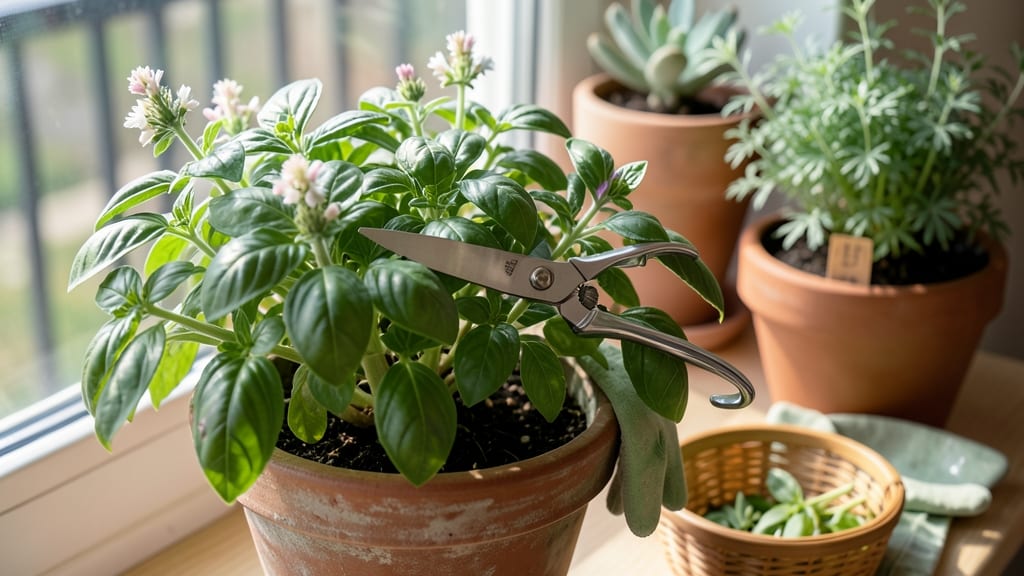
Harvesting pot plants properly means knowing when to trim and how to do it without stressing your 🌱—because one wrong cut can ruin weeks of growth.
If you’ve ever snipped a basil leaf just as it was about to flower, only to watch it bolt into bitter stems, you know the frustration. The difference between a thriving plant and a wasted harvest often comes down to timing and technique.
This guide covers everything from spotting the perfect moment to harvest—when leaves are plump and fragrant or flowers are just about to open—to the right tools and cuts that keep your plants producing for weeks.
Whether you’re growing herbs, veggies, or flowers, you’ll learn how to extend your harvest season, avoid common mistakes, and even revive over-harvested plants before they throw in the towel.

When to harvest pot plants for peak flavor and yield
Harvesting your pot plants at the right moment transforms your gardening efforts from good to exceptional. For herbs like basil or leafy greens such as kale, timing directly impacts flavor and regrowth potential.
The key lies in recognizing subtle visual and tactile cues that signal readiness—before the plant peaks or becomes overripe. I’ve learned that color intensity, leaf texture, and even aroma are the best indicators, but each plant type has its own unique signs.
For flowering plants like marigolds or vegetables such as cherry tomatoes, the rules shift slightly. You’ll need to watch for bud formation or fruit firmness, not just overall size.
My first basil harvest taught me a hard lesson: waiting too long for "perfect" leaves meant bitter flavors and stunted regrowth. Now, I harvest leaf by leaf when they’re 2-3 inches long and deep green, ensuring both quality and future growth.
Here’s the game-changer: a plant-specific harvest timeline that aligns with your local growing season. In my Zone 7 garden, herbs like cilantro and parsley are ready in 45-60 days, while leafy greens like spinach take 30-50 days to reach peak harvest windows.
Flowering plants like nasturtiums, however, may take 60-90 days before their blooms are ready for picking.
Let’s talk about herbs first, since they’re the most forgiving for beginners. My basil plants always signal readiness with dark green, slightly wrinkled leaves that release a strong citrusy aroma when crushed. I avoid harvesting more than one-third of the plant at once to encourage bushier growth.
For parsley, I wait until the leaves reach 4-6 inches and have a bold, fresh scent—this usually happens around 60 days after planting.
For leafy greens, the rules shift to texture and size. Kale and spinach are ready when their leaves are 6-8 inches tall and have a crisp, slightly fibrous texture. I always harvest the outermost leaves first, leaving the inner growth intact.
This method keeps the plant producing for weeks longer than a single harvest. Over-harvesting here is a common mistake—I’ve seen entire pots of spinach bolt to seed because I got greedy!
When it comes to flowering plants, timing is everything. I learned this the hard way with my nasturtiums: picking buds too early means small, underdeveloped blooms, while waiting too long results in wilted, bitter-tasting flowers.
The sweet spot? Harvesting when the buds are fully open but still firm, usually in the morning after dew has dried. This ensures the best flavor and longest vase life if you’re using them for arrangements.
Don’t overlook the tactile test—it’s one of the most reliable ways to judge readiness. For example, tomatoes should give slightly when gently squeezed but not be mushy. Peppers, on the other hand, should feel firm and heavy for their size.
I always check the stem separation point: if the fruit detaches cleanly with a slight twist, it’s ready. If it resists, it needs more time.
Seasonal variations also play a role. In summer’s heat, herbs like basil can become bolty and bitter quickly, so I harvest more frequently—sometimes every 2-3 days.
In cooler fall months, leafy greens like lettuce grow slower, and I focus on harvesting individual leaves rather than cutting the whole plant. Adjusting to these rhythms has made all the difference in my pot plant yields.
One final tip: always use clean, sharp scissors or pruners to avoid damaging the plant. I keep a small pair dedicated to harvesting and sterilize them with rubbing alcohol between uses.
This simple step prevents disease spread and keeps your pot plants healthy for multiple harvest cycles. With these cues in mind, you’ll never waste another harvest again!
Step-by-step harvesting techniques by plant type
Harvesting your pot plants correctly ensures you get the best flavor, quality, and future growth. The method you use depends on whether you're harvesting herbs, leafy greens, or flowering plants. Each type requires a different approach to avoid damaging the plant or stunting regrowth.
For example, basil and mint need gentle pinching, while kale and spinach can handle leaf-by-leaf harvesting. Let's break down the best techniques for each.
For herbs like basil and cilantro, the key is to encourage bushier growth by pinching or snipping just above a leaf node. This method stimulates new branches, giving you a longer harvest season.
Meanwhile, leafy greens like lettuce and Swiss chard thrive when you harvest outer leaves first, leaving the inner growth intact. Flowering plants, such as marigolds or nasturtiums, often need careful bud trimming to prolong blooming. Each technique preserves the plant's health and productivity.
How to Harvest Pot Plants by Type
-
Herbs (Basil, Mint, Cilantro)
- Use clean, sharp scissors or pruning shears to avoid tearing leaves.
- Pinch or cut just above a leaf node (where leaves meet the stem) to encourage branching.
- Avoid harvesting more than 1/3 of the plant at once to prevent stress.
-
Leafy Greens (Lettuce, Kale, Spinach)
- Harvest outer leaves first, leaving the inner growth point intact.
- Use your fingers or clean scissors to snip leaves at the base of the stem.
- For bolt-resistant varieties, harvest young leaves regularly to delay flowering.
-
Flowering Plants (Marigolds, Nasturtiums, Petunias)
- Trim spent blooms just above the next set of leaves to encourage new flowers.
- For edible flowers, harvest in the morning after dew dries for maximum freshness.
- Avoid cutting more than 20-30% of the plant at once to maintain its vigor.
🌿 Always use sterilized tools to prevent disease spread.
When harvesting herbs, focus on the morning hours when essential oils are at their peak. For leafy greens, a gentle touch is key—avoid yanking leaves, as this can damage the plant. For flowering plants, regular deadheading (removing faded blooms) keeps them producing new flowers.
Each method is designed to balance immediate yield with long-term plant health, ensuring your pot plants keep thriving season after season.
One common mistake is harvesting too aggressively, which can shock the plant and reduce future yields. For example, if you shear basil too close to the stem, it may struggle to regrow. Instead, always leave at least 2-3 inches of growth to support new leaves or flowers.
This rule applies across all plant types, whether you're growing vegetables, herbs, or flowers in pots.
After harvesting, give your pot plants a little extra care to help them recover. Water deeply to replenish moisture lost during the process, and consider adding a balanced fertilizer to support regrowth. For leafy greens, a light mulch around the base can retain moisture and protect roots.
With the right techniques, you'll enjoy a steady harvest all season long—without compromising your plants' health or productivity.
Remember, the goal isn't just to harvest but to encourage future growth. By following these step-by-step methods, you'll maximize your yield while keeping your pot plants happy and thriving. Happy harvesting! 🌱