
How To
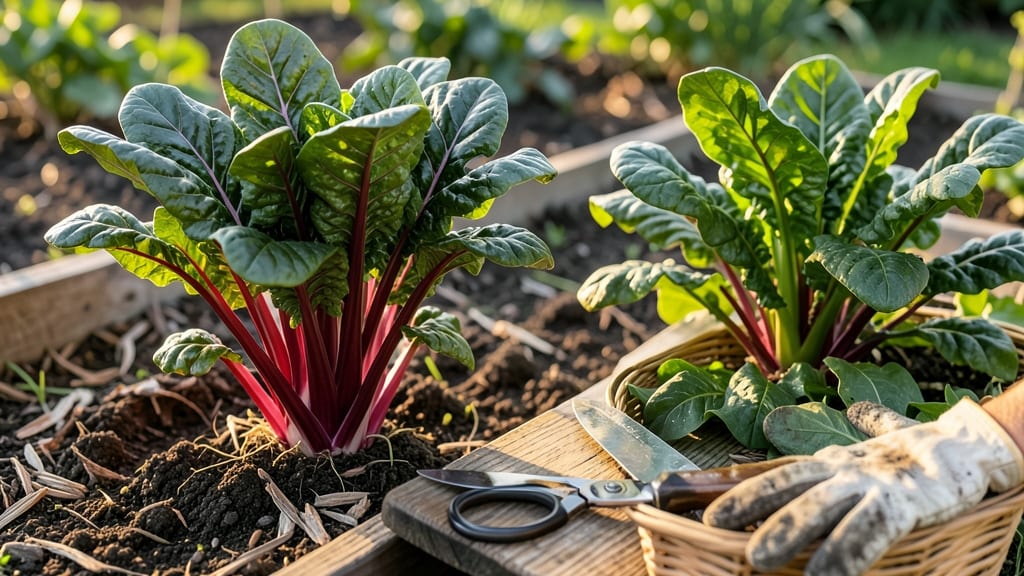
Harvesting Swiss chard 🥬 at the right time means tender, flavorful leaves that keep coming back for months—and that’s the secret to a thriving garden.
Picture this: you’re reaching for a leaf, and it snaps cleanly at 6 inches, vibrant and crisp. That’s your cue to cut, not wait. Too late, and the texture turns tough, the flavor bitter. Too soon, and you stunt the plant’s growth.
This guide breaks down the exact signs to watch for, from leaf size to stem thickness, plus how to cut without harming the plant. You’ll also learn how seasonal shifts—like summer heat or fall chill—change what you harvest and when.
By the end, you’ll know not just when to harvest, but how to do it so your Swiss chard keeps producing like a well-oiled machine. Let’s get started.

When and how to harvest Swiss chard leaves for optimal growth
Swiss chard is one of those rewarding vegetables that keeps giving—if you harvest it the right way. The 6-inch rule is your golden standard: when leaves reach this size, they’re perfect for cutting. At this stage, the leaves are tender, packed with nutrients, and ready to be enjoyed.
But timing isn’t just about size; it’s also about seasonal conditions and how you handle the plant after harvest.
Harvesting too early means missing out on flavor and yield, while waiting too long can lead to tough, bitter leaves. Most gardeners make the mistake of cutting too aggressively or ignoring the plant’s regrowth signals.
My approach? Focus on selective harvesting—removing only the largest, outermost leaves while leaving the inner growth intact. This way, your Swiss chard keeps producing for weeks, even months, depending on your climate.
Spring and fall are the prime seasons for harvesting Swiss chard. In spring, the cool weather means faster regrowth, so you can harvest more frequently. In fall, as temperatures drop, the plant slows down, but you can still enjoy a steady supply until the first frost.
If you’re in a warmer climate, Swiss chard might even reward you with a winter harvest!
Step-by-Step Swiss Chard Harvesting Guide
-
Step 1: Identify Mature Leaves
Look for leaves that are 6 inches or longer with vibrant colors. Avoid leaves that are yellowing or wilted—these are past their prime. -
Step 2: Choose Your Tool
Use a sharp pair of scissors or pruning shears to make clean cuts. Avoid tearing the leaves, as this can damage the plant. -
Step 3: Cut at the Base
Hold the leaf firmly and cut it just above the stem, leaving about 1 inch of growth to encourage regrowth. -
Step 4: Harvest Outer Leaves First
Always remove the outermost, largest leaves to protect the younger, inner leaves. This method keeps your plant productive. -
Step 5: Time Your Harvest
Harvest in the morning after dew has dried for the freshest leaves. Avoid harvesting during hot afternoons, as this can stress the plant. -
Step 6: Monitor Regrowth
After harvesting, check your plant in 7-10 days. If new leaves have reached 6 inches, it’s time to harvest again!
One of the biggest mistakes I see is gardeners harvesting too much at once. If you remove more than one-third of the plant’s leaves in a single session, you risk stunting its growth.
Instead, think of Swiss chard as a cut-and-come-again crop. By following the 6-inch rule and spacing out your harvests, you’ll enjoy a steady supply of fresh greens all season long.
Seasonal timing plays a huge role in how often you can harvest. In spring, when temperatures are mild, Swiss chard can regrow quickly, sometimes producing new harvestable leaves in as little as 7-10 days.
In fall, the process slows down, and you might need to wait 2-3 weeks between harvests. Pay attention to your plant’s growth patterns—it’ll tell you when it’s ready for another round.
If you’re new to harvesting Swiss chard, start by cutting just 1-2 leaves per plant to see how quickly it regrows. This low-pressure approach helps you gauge the plant’s response without overwhelming it. Over time, you’ll learn how much your specific variety can handle.
For example, Bright Lights Swiss chard is known for its vibrant colors and robust regrowth, while Fordhook Giant might need a little more patience between harvests.
After harvesting, always rinse your Swiss chard leaves under cool water to remove dirt and pests. Store them in a plastic bag with a paper towel in the fridge, where they’ll stay fresh for 5-7 days.
For long-term storage, consider blanching and freezing the leaves—this preserves their nutrients and flavor for months. The key is to act quickly after harvest to lock in that fresh, garden-fresh taste.
Finally, keep an eye out for signs of stress or disease after harvesting. Yellowing leaves, wilting, or holes from pests mean it’s time to intervene. Adjust your watering, fertilizing, or pest control methods as needed.
A healthy Swiss chard plant is a productive one, and with the right harvesting techniques, you’ll be rewarded with a bountiful crop all season.
With these steps, you’ll master the art of harvesting Swiss chard like a pro. Soon, you’ll be the gardener everyone asks for fresh greens—because your Swiss chard never stops delivering! 🥬✂️🌱
Swiss chard harvesting mistakes that reduce yield and quality
Even experienced gardeners accidentally sabotage their Swiss chard harvests by making common mistakes that compromise both yield and leaf quality. Over-harvesting, using dull tools, or ignoring regrowth signals can turn a productive plant into a struggling one.
The key is understanding the danger zone for leaf size, harvest frequency, and seasonal limits.
One of the biggest mistakes is harvesting leaves that are too small (under 6 inches) or too large (over 12 inches). Small leaves mean less yield, while oversized leaves become tough and bitter.
I’ve seen gardeners cut entire plants down to the stem, leaving nothing for regrowth—this is a fast track to stunted growth.
Another critical error is using the wrong tools. Dull shears or fingers can crush stems, inviting disease and stressing the plant. Always use clean, sharp pruners or your thumb and forefinger to pinch leaves cleanly at the base. This simple step prevents unnecessary damage and keeps your Swiss chard thriving.
⚠️ Swiss Chard Harvesting Danger Zone
Avoid these yield-killing mistakes:
- Leaf size: Never harvest leaves under 6 inches or over 12 inches.
- Frequency: Wait 2-3 weeks between harvests to allow regrowth.
- Seasonal limits: Avoid harvesting in extreme heat (above 90°F) or frost.
💡 Pro Tip: Always leave the center leaves intact to fuel regrowth.
Ignoring seasonal cues is another silent yield killer. Swiss chard is a cool-season crop, so harvesting during peak summer heat stresses the plant and reduces flavor. I’ve noticed my plants bolt (flower prematurely) when pushed too hard in July—once bolting starts, the leaves turn bitter and woody.
Plan harvests for spring and fall when temperatures are mild.
Finally, many gardeners forget to monitor their plant’s regrowth signals. After harvesting, check for new leaves emerging from the center. If you don’t see fresh growth within 2-3 weeks, your plant is exhausted and needs a break.
This is your cue to reduce harvest frequency or pause entirely until the plant recovers.
By avoiding these mistakes, you’ll enjoy a continuous supply of tender, flavorful Swiss chard for months. The secret is patience—harvest smart, and your plant will reward you with bountiful regrowth all season long. 🌱