
How To
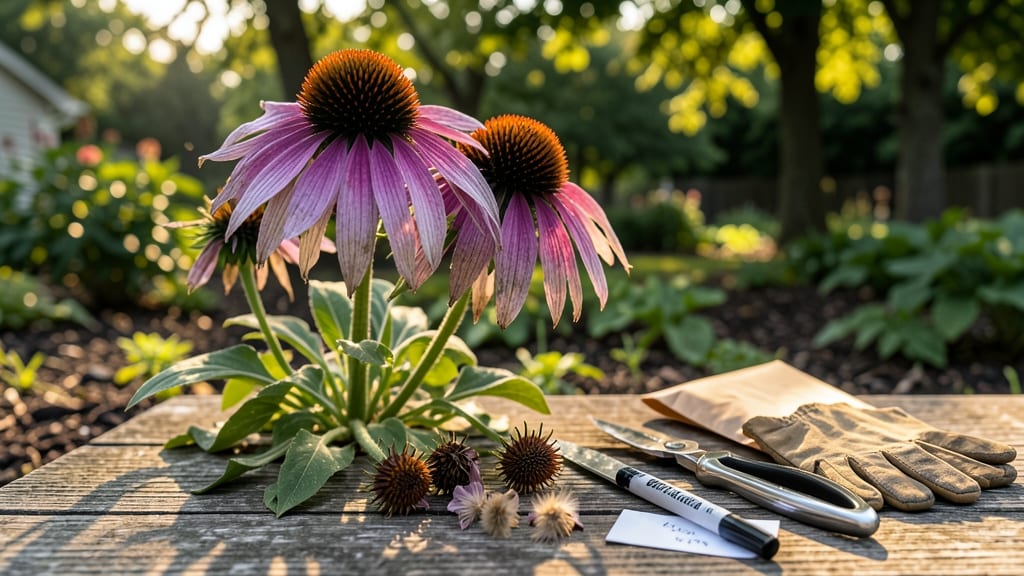
Harvesting purple coneflower seeds 🌼 means waiting for those iconic brown, papery heads to crack open naturally—when they do, you’ll have a bounty for next year’s garden.
Picture this: late summer’s golden light spilling over your dry, papery seed heads, each one packed with potential. But timing is everything—harvest too early, and the seeds won’t be viable; wait too long, and the wind or birds will beat you to them.
In this guide, I’ll walk you through the exact signs to look for (like that telltale rattle when you shake a mature head) and the best tools to collect seeds without losing a single one to the elements.
Once you’ve gathered them, I’ll share my foolproof drying and storage methods to keep those seeds fresh until planting season—so you can turn this year’s blooms into next year’s thriving meadow.

When and how to identify purple coneflower seed heads ready for harvesting
Purple coneflower (Echinacea purpurea) transforms from vibrant blooms to seed harvest treasures by late summer. The key is watching for visual cues that signal maturity—brown, papery cones and drooping petals are your first clues.
Timing varies by climate zone, but most gardeners spot ready seed heads between August and October.
Start by examining the central cone—when it shifts from green to tan/brown, seeds are nearly ready. The petals will naturally droop and fall away, exposing the dry, papery seed head. This process usually takes 60–90 days after flowering begins, depending on your local frost dates.
| Stage | Visual Cues | Climate Timing | Action |
|---|---|---|---|
| Early Bloom | Bright purple petals, green cone | June–July | Observe plant health |
| Maturing Cone | Cone turns tan, petals droop | Late July–August | Check weekly |
| Ready for Harvest | Dry brown cone, seeds rattle | August–October | Collect seeds |
| Overripe | Cone cracks open, seeds scatter | October–November | Harvest immediately |
In warmer climates (Zones 8–10), seed heads may mature as early as late July, while cooler zones (3–6) often see readiness by September or October. A frost warning is your cue to act—harvest before first frost to prevent seed loss.
Gently shake mature seed heads over a paper bag or cardboard box—if seeds rattle inside, they’re ready. Avoid harvesting when humidity is high, as damp seeds won’t dry properly. Morning harvests yield the driest seed heads.
For northern gardens, prioritize harvesting by mid-October to avoid winter moisture. In southern regions, seeds may remain viable until November. Always collect after dew dries to ensure seeds stay dry and mold-free.
Look for papery, brittle texture on the seed head—this indicates full maturity. If the cone feels soft or spongy, it’s not ready. Overripe heads will crack open, scattering seeds before you can collect them, so act promptly.
Use a small pruning shears to snip seed heads at the base of the stem. Lay them on a screen or mesh in a dry, shaded spot for 1–2 weeks to fully dry. This prevents mold growth while preserving seed viability.
Pro tip: Label your seed batches with the harvest year and variety (e.g., "Purple Coneflower 2024"). Store seeds in a cool, dark place in paper envelopes for up to 3 years—this ensures high germination rates for future gardens.
🌼
Best methods for collecting purple coneflower seeds without losing them to birds or wind
Once your purple coneflower heads turn from vibrant pink-purple to brown and papery, it’s time to act fast. Birds and wind can scatter seeds before you collect them, so timing and technique matter.
The key is to harvest when the central cone is fully brown but the petals have mostly fallen, ensuring seeds are mature but still contained.
I’ve learned the hard way that rushing or waiting too long can mean wasted seeds. The optimal harvest window is late summer to early fall, typically August through October, depending on your USDA zone.
In warmer climates, this might extend into November, but frost can damage seed viability, so don’t delay.
- 🌿 Step 1: Choose the Right Tools Grab a pair of clean pruning shears or sharp scissors, a paper bag (or breathable mesh bag), and a label for tracking harvest dates.
- 🌼 Step 2: Identify Mature Seed Heads Look for heads where the central cone is dry and brown, and the petals have mostly fallen. Shake gently—if seeds rattle inside, they’re ready.
- ✂️ Step 3: Cut the Seed Head Snip the entire flower head (about 2-3 inches of stem) to avoid damaging the plant. Place it upside-down in your bag to prevent seed loss.
- 🌬️ Step 4: Dry the Heads Indoors Hang heads upside-down in a dry, well-ventilated area (like a garage or shed) for 1-2 weeks. This allows seeds to fully dry and detach naturally.
- 🪴 Step 5: Extract the Seeds Once dry, rub the cone between your fingers over the bag to release seeds. Discard any chaff or debris—only keep the plump, dark seeds.
- 📝 Step 6: Store Properly Transfer seeds to a paper envelope or airtight container, label with the harvest date, and store in a cool, dark place (like a fridge) for up to 2 years.
If you’re harvesting in windy conditions, consider using a breathable mesh bag tied directly to the stem. This keeps seeds contained while allowing airflow for drying. I’ve found that brown paper bags work well too—they’re lightweight and biodegradable, which is great for composting later.
Pro tip: Avoid harvesting on rainy days, as moisture can accelerate mold growth. If seeds feel damp after drying, spread them on a paper towel in a warm, dry spot for an extra day to finish the process. Viability drops if seeds stay too humid.
With these methods, you’ll maximize your seed yield while keeping them safe from birds and wind. Next season, you’ll have a head start on growing more purple coneflowers—or even sharing seeds with fellow gardeners! 🌱