
How To
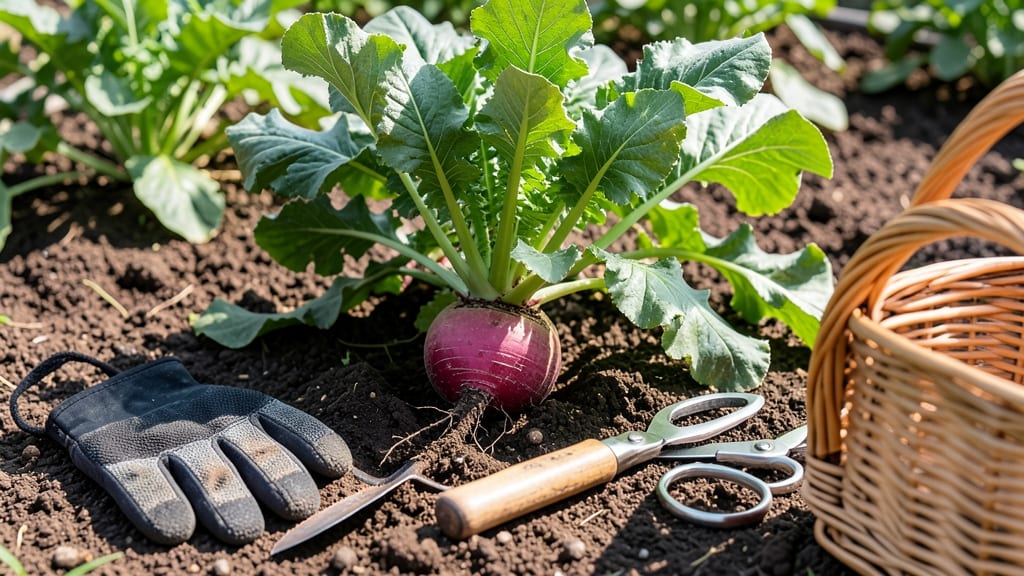
To harvest radishes at their peak—when they’re crisp, tender, and packed with flavor—timing is everything 🥕. Radishes are one of the fastest-growing vegetables in your garden, but pull them too early, and they’ll be bland; wait too long, and they’ll turn woody.
Mastering the perfect harvest window ensures you get that satisfying crunch and mild, sweet taste every time. Whether you’re a first-time gardener or a seasoned grower, knowing when and how to pull radishes makes all the difference.
In this guide, I’ll walk you through the exact signs to look for—size, color, and leaf growth—to determine when your radishes are ready. You’ll also learn the best techniques for harvesting without damage and how to store them for maximum freshness.
Skip the guesswork and discover the simple, foolproof way to enjoy homegrown radishes at their best, season after season.

When to harvest radishes for best flavor and texture
Radishes are one of the fastest vegetables to mature in your garden, with some varieties ready in just 20-30 days. But knowing exactly when to harvest makes all the difference—too early means bland flavor, while waiting too long turns them woody and tough.
The key lies in understanding variety-specific timing and watching for visual cues that signal peak ripeness.
Most fast-growing varieties like 'Cherry Belle' or 'Easter Egg' reach harvest size in about 25-30 days, while slower types such as 'Daikon' or 'Black Spanish' can take 45-60 days. Soil temperature also plays a role—cooler weather (60-65°F) speeds up growth, while heat can slow it down.
Paying attention to these factors ensures you harvest at the perfect moment for maximum crunch and sweetness.
Soil temperature is critical because it directly affects radish growth speed. In cool spring soil (50-65°F), radishes grow quickly and develop sweet, crisp roots. If temperatures rise above 75°F, growth slows, and radishes may become pithy or bitter. Planting in early spring or late summer gives you the best chance for ideal harvest conditions.
Visual cues are your best friends when determining harvest time. Look for vibrant color that matches the variety’s description—deep red, purple, or white. The root should be 1-2 inches in diameter for most types, though larger varieties like Daikon can reach 3-4 inches.
Check the top leaves, which should be 4-6 inches tall and lush but not yellowing.
The skin texture is another key indicator. At peak ripeness, the skin should feel firm but not hard. If it’s soft or spongy, the radish is overripe. Gently squeeze the root—it should yield slightly like a ripe tomato.
If it feels woody or hollow-sounding, it’s past its prime and will lack the crisp texture you want.
| Variety Type | Days to Harvest | Ideal Size | Color Cue | Best Soil Temp |
|---|---|---|---|---|
| Fast (e.g., Cherry Belle, Easter Egg) | 20-30 days | 1-1.5 inches | Vibrant red/purple | 50-65°F |
| Medium (e.g., French Breakfast, White Icicle) | 25-40 days | 1.5-2.5 inches | Deep, consistent hue | 55-70°F |
| Slow (e.g., Daikon, Black Spanish) | 45-60 days | 3-4 inches | Rich, uniform color | 60-75°F |
Harvesting at the right time also depends on whether you’re growing radishes for fresh eating or storage. For fresh use, aim for peak ripeness—this is when radishes are sweetest and crispiest.
If you’re saving them for storage, harvest slightly before full maturity to extend shelf life. Store radishes in a cool, dark place (like a root cellar) where they’ll keep for 2-3 weeks.
One common mistake is waiting until radishes bolt or split, which happens when they’re overcrowded or stressed. To avoid this, thin seedlings to 2-3 inches apart and harvest regularly. If you see radishes sprouting flowers, they’ve gone to seed and will be bitter.
Always check your plants every 2-3 days during the final harvest window to catch them at their best.
For container gardeners, timing is even more critical because space is limited. Fast varieties like 'Cherry Belle' are ideal for pots, as they mature quickly and won’t overcrowd. Monitor their growth closely, as radishes in containers can dry out faster and may need daily watering during hot spells.
The same visual cues apply—watch for size, color, and leaf growth to determine the perfect harvest moment.
Remember, the earlier you harvest, the sweeter and crunchier your radishes will be. If you’re unsure, it’s better to harvest a little early than risk letting them become tough.
With practice, you’ll develop an eye for spotting radishes at their peak, ensuring a delicious, homegrown harvest every time you reach for them.
Step-by-step radish harvesting techniques to avoid damage
Harvesting radishes at the right moment transforms your garden into a crunchy, flavorful treasure trove. The key lies in gentle handling—too much force or the wrong timing can bruise those tender roots or snap the greens.
I’ve learned that using the right tools and techniques preserves both the radish and its leafy tops for fresh eating or cooking.
Start by checking the soil moisture—dry conditions make radishes harder to extract cleanly. A light watering the day before harvest softens the soil slightly, reducing damage risks. For varieties like Cherry Belle or French Breakfast, aim for roots that are 1-2 inches in diameter with vibrant color.
Overripe radishes develop a woody texture, while underripe ones lack the satisfying crunch.
- 1 Gently loosen the soil around the radish using a hand fork or your fingers. Work the tines 1-2 inches away from the root to avoid piercing it. For tough clay soil, a fork helps prevent breakage.
- 2 Grasp the greens, not the root, and pull upward with steady pressure. Radishes should slip free easily if the soil is moist. If resistance is strong, wiggle gently while pulling to avoid splitting the root.
- 3 Shake off excess soil and brush away any clinging dirt with your hands. Avoid rinsing immediately—moisture speeds up spoilage. Save the leafy greens for salads or sautéing; they’re packed with nutrients!
- 4 Inspect for damage. Discard any radishes with cracks, soft spots, or signs of pests. Store undamaged ones in the crisper drawer of your fridge, where they’ll stay fresh for 1-2 weeks. For longer storage, try fermenting or pickling!
Pro tip: Harvest radishes on a cool morning when the soil is damp but not soggy. This minimizes stress on the plants and keeps them crisp.
If you’re growing storage varieties like Winter Radish, leave them in the ground until a light frost—this sweetens their flavor and extends shelf life.
After harvesting, I always replenish the soil with compost to prepare for a second planting. Radishes grow quickly, so succession planting every 2-3 weeks ensures a continuous harvest. Just be mindful of bolting—hot weather or overcrowding can cause radishes to flower prematurely, ruining their storage potential.
Remember, the goal is to preserve that crisp texture and vibrant color. With these techniques, you’ll enjoy homegrown radishes that outshine store-bought any day. Happy harvesting! 🥕