
How To
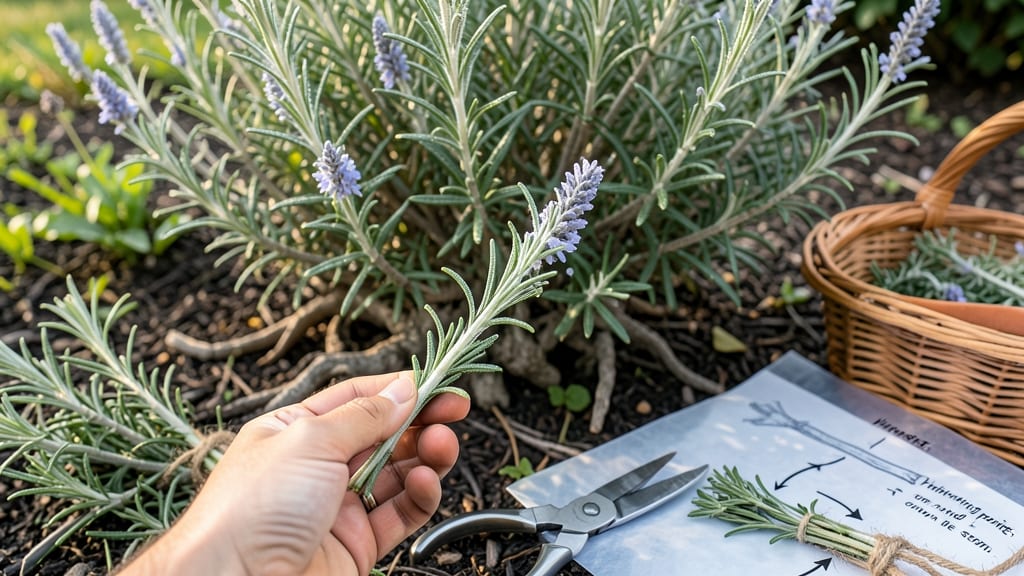
How to harvest rosemary so it keeps growing at the base with the right technique keeps your 🌿 thriving while giving you fresh, fragrant sprigs all season.
You’ve probably seen rosemary turn woody or stop growing after aggressive cuts—it’s a common mistake that kills the plant’s vigor. The key is timing, placement, and knowing which stems to trim without sacrificing future growth.
In this guide, I’ll show you exactly when to prune for bushier regrowth, which stems to avoid cutting, and how to spot the signs of over-harvesting before it’s too late.
By the end, you’ll have a rosemary plant that stays lush, productive, and ready for the kitchen—no more sad, leggy stems or wasted harvests.

When and how to prune rosemary for continuous growth
Pruning rosemary isn’t just about harvesting fresh sprigs—it’s about encouraging bushier growth and preventing woody stems. The key is timing and technique. I’ve learned that spring or early summer is the best time to prune, when your plant is actively growing but hasn’t yet entered peak flowering.
This ensures your rosemary stays lush and productive for months.
When done correctly, pruning stimulates new side shoots and keeps your rosemary compact. Avoid cutting into old, woody stems—these won’t regrow. Instead, focus on the tender, green tips where growth is most vigorous. This method works for both container-grown and in-ground rosemary, though container plants may need more frequent pruning.
Here’s the golden rule: Never remove more than one-third of the plant’s foliage at once. Even if your rosemary looks overgrown, aggressive pruning can stress it and reduce yield. Think of it like giving your plant a haircut—you want to shape it, not shave it bald!
Another pro tip: Harvest in the morning when essential oils are at their peak. This not only gives you the freshest flavor but also encourages your rosemary to bounce back faster. Just be sure to use clean, sharp pruners to avoid crushing stems or spreading disease.
How to Prune Rosemary for Bushier Regrowth
- Step 1: Choose the right time Prune in early spring (just as new growth begins) or early summer (before flowering). Avoid pruning in fall or winter when growth slows.
- Step 2: Identify healthy stems Look for green, flexible stems (not woody). These are the ones that will regrow. Avoid cutting stems that are brown or brittle.
- Step 3: Cut just above a leaf node Use clean pruners and make your cut at a 45-degree angle, about ¼ inch above a set of leaves. This encourages new shoots to grow from that node.
- Step 4: Trim the tips, not the base Cut the top 2-3 inches of non-flowering stems to promote bushiness. Avoid "heading back" old wood—it won’t regrow.
- Step 5: Encourage branching For a fuller plant, pinch back the tips of side shoots in late spring. This redirects energy to lower branches, creating a denser bush.
- Step 6: Water and fertilize lightly After pruning, give your rosemary a deep watering and apply a balanced fertilizer (5-10-10) to support new growth.
Pro Tip: If your rosemary gets leggy, prune the longest stems first to balance its shape. This prevents it from becoming top-heavy and flopping over.
One common mistake I see is pruning too late in the season, which can leave your rosemary vulnerable to cold. If you live in a Zone 7 or colder, finish pruning by mid-summer to allow time for new growth to harden off before frost.
For container-grown rosemary, pruning is even more critical because space is limited. I prune mine every 6-8 weeks to keep it compact and prevent it from becoming a tangled mess. Just remember: containers dry out faster, so water thoroughly after pruning.
You’ll know your pruning is working when you see new green shoots emerging within 2-3 weeks. These are your plant’s way of saying, "Thanks for the haircut!" Over time, your rosemary will develop a denser, bushier habit with more harvestable stems.
Finally, if your rosemary starts to flower, pinch off the buds early. While flowers are pretty, they divert energy away from leaf production. Removing them keeps your plant focused on growth and flavor, not reproduction.
With these techniques, your rosemary will stay lush, aromatic, and productive for years—no more sad, woody stalks taking up space! 🌿✂️🌱
Common harvesting mistakes that stunt rosemary growth
Harvesting rosemary wrong can turn your fragrant bush into a sad, woody relic. The key is timing and technique—cutting too much or at the wrong time stresses the plant and slows regrowth.
I’ve seen gardeners accidentally kill their rosemary by making these four critical mistakes, all of which are easy to fix once you know the signs.
First, many gardeners over-prune by snipping more than one-third of the plant at once. Rosemary is resilient, but aggressive pruning removes too much foliage, leaving the plant vulnerable to sunburn and drought stress.
Others make the mistake of cutting woody stems instead of fresh, green growth, which never recovers. These errors can leave your rosemary looking like a broomstick instead of a lush, aromatic bush.
Timing also plays a huge role. Harvesting in late summer or fall when the plant is preparing for dormancy shocks its system. Similarly, cutting new spring growth too early deprives the plant of energy it needs to establish roots.
Even well-meaning gardeners skip seasonal adjustments, treating rosemary the same year-round when its needs shift dramatically with temperature and daylight changes.
⚠️ How to Harvest Rosemary So It Keeps Growing
- Cut only non-flowering stems with green tips—never woody branches.
- Remove no more than 1/3 of the plant at one time to avoid stress.
- Harvest in spring or early summer when growth is active and vigorous.
- Use clean, sharp shears to make cuts just above a leaf node.
Pro Tip: Always harvest in the morning for the best flavor and faster regrowth.
Let’s break down these mistakes with actionable fixes. Over-pruning is the most common issue—I’ve seen gardeners trim their rosemary back by half, only to watch it struggle for months to recover.
The solution? Stick to the one-third rule and space out harvests. For example, if you harvest once every 4-6 weeks during the growing season, your rosemary will stay lush and productive.
Cutting woody stems is another silent killer. Woody growth won’t regenerate, so always target stems that are still flexible and green. If you accidentally cut a woody branch, don’t panic—just focus on encouraging new growth from the base by pruning nearby healthy stems.
This redirects the plant’s energy toward recovery. For a visual guide, imagine your rosemary as a tree: you’d never prune the trunk, only the outer branches.
Seasonal timing is often overlooked, but it’s critical. In spring, rosemary is eager to grow—this is the best time to harvest. By late summer, the plant is conserving energy for winter, so limit pruning to light maintenance.
In fall and winter, avoid harvesting altogether unless you’re in a mild climate. Even then, keep cuts minimal to protect the plant’s dormancy.
To see the difference, compare a properly pruned rosemary (bushy, green, and full) to an over-harvested one (woody, sparse, and struggling). The fix is simple: adjust your harvesting frequency, focus on green growth, and respect the plant’s seasonal rhythm.
With these tweaks, your rosemary will reward you with years of abundant harvests.