
How To
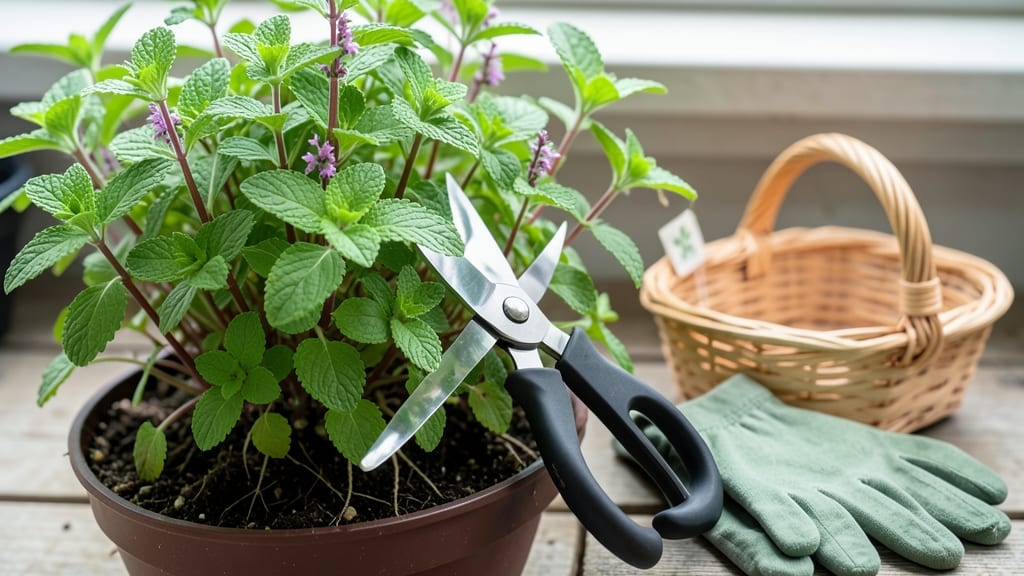
To harvest spearmint at its peak, look for stems that naturally bend—this is your cue that the leaves are packed with flavor 🌿.
Ever plucked a handful of spearmint just to discover it tastes weak or bland? That happens when you miss the sweet spot between maturity and flowering. The secret lies in timing: harvest before buds form, but after the plant has grown tall enough to bend under its own weight.
This guide covers everything from the best tools to use (sharp scissors or clean shears) to how much to cut without stunting growth. You’ll also learn how to store your harvest so it stays fresh for teas, cocktails, or cooking—no wasted leaves here.
Whether you’re a first-time gardener or a seasoned green thumb, these tips will turn your spearmint patch into a flavor powerhouse. Let’s get started!

When to harvest spearmint for maximum flavor and growth
Harvesting spearmint at the perfect moment ensures the most aromatic leaves while encouraging your plant to thrive. The best time to harvest is when the stems naturally bend over under the weight of the foliage—a clear sign the plant has reached peak maturity.
This usually happens 60-90 days after planting, depending on your climate and growing conditions.
If you wait too long, your spearmint will start producing flower buds, which signal the plant to shift energy from leaf growth to reproduction. Once flowering begins, the leaves lose their intense minty flavor and become bitter.
For the best results, harvest before you see any pink or purple flower spikes emerging from the stems.
- Look for stem bending: Harvest when stems naturally bend over—this indicates mature leaves with peak flavor.
- Check leaf size: Leaves should be large and dark green, not small or pale.
- Avoid flower buds: Stop harvesting if you see pink or purple spikes—this means the plant is flowering.
- Harvest in morning: Pick leaves early in the day when essential oils are most concentrated.
- Leave 2-3 inches of growth: Never cut stems too close to the base to encourage regrowth.
Seasonal timing also plays a role in spearmint harvests. In most climates, the ideal harvest window is from late spring to early fall, roughly between June and September. During these months, spearmint grows vigorously in full sun and produces the most flavorful leaves.
If you're in a cooler zone, you might extend your harvest into October, but avoid harvesting after the first frost.
Another key indicator is the aroma test. Crush a few leaves between your fingers—if they release a strong minty scent, they’re ready for harvest. Weak or no scent means the leaves aren’t mature enough yet.
This simple trick saves you from guessing and ensures you’re always picking at the perfect time.
For continuous harvests, prune spearmint regularly throughout the growing season. By cutting back stems every 4-6 weeks, you encourage bushier growth and prevent the plant from becoming woody or leggy.
Just be sure to leave at least 2-3 inches of stem above the soil to avoid damaging the plant’s root system.
If you’re growing spearmint in containers, harvest timing is slightly different. Potted plants may mature faster due to limited root space, so monitor them closely.
Container-grown spearmint can be harvested as early as 50 days after planting, but always prioritize the stem-bending cue over calendar dates for the best flavor.
One common mistake is harvesting spearmint after heavy rain. Wet leaves can develop mold or mildew, reducing their shelf life and flavor. Always wait until the foliage is completely dry before harvesting. Early mornings are ideal because the essential oils are most concentrated after a night’s rest.
To maximize your yield, avoid harvesting more than one-third of the plant at a time. Over-harvesting stresses the spearmint and can stunt its growth. Instead, focus on selective pruning—removing only the outer stems that have bent over. This approach keeps your plant healthy and productive for months.
With the right timing, your spearmint will reward you with abundant, flavorful leaves all season long. Whether you’re using it for homemade teas, garnishes, or fresh salads, mastering the harvest window is the secret to unlocking its full potential. 🌿
Step-by-step guide to harvesting spearmint without damaging plants
Harvesting spearmint correctly ensures your plants stay healthy and productive while delivering the brightest flavor. The key is cutting at the right stem height and using the proper tools to avoid stressing the plant.
Whether you're harvesting for fresh garnishes or drying bundles, these techniques will maximize your yield without sacrificing future growth.
Before grabbing your pruning shears, focus on cutting just above a leaf node—where new growth emerges. This encourages bushier regrowth and prevents the plant from becoming woody. Avoid cutting too close to the base, as this can expose the root system to pests and disease.
With the right approach, you’ll enjoy a continuous harvest all season long.
- Step 1: Choose the right harvesting tools. Use clean, sharp hand shears or pruning scissors—never dull scissors, as they crush stems and damage leaves. Disinfect tools with rubbing alcohol before and after use to prevent disease spread.
- Step 2: Identify the optimal cutting point. Look for stems that are 6-12 inches tall with fully developed leaves. Cut just above a leaf node (the point where leaves meet the stem) to encourage new growth.
- Step 3: Harvest selectively to promote bushier growth. Avoid cutting more than one-third of the plant at a time. Focus on the outer stems first, leaving the center healthy for continued production.
- Step 4: Remove flower buds immediately if they appear. Flowers signal the end of the flavorful harvest window—they drain energy from the leaves, reducing potency. Pinch off buds with your fingers or trim them with shears.
- Step 5: Store harvested spearmint leaves properly. For fresh use, wrap stems in a damp paper towel and refrigerate in a sealed bag for up to 5-7 days. For long-term storage, hang bundles upside down in a dark, dry place for 1-2 weeks before crushing leaves.
After harvesting, give your spearmint plant a little extra care to encourage rapid recovery. Water the base thoroughly to replenish moisture lost during cutting, and consider adding a light fertilizer (like a balanced 5-10-10 mix) to support regrowth.
This simple step ensures your plant stays vigorous and productive for future harvests.
Pro tip: Harvest spearmint in the morning when essential oils are at their peak. The cool temperatures and dew-free conditions help preserve the aromatic compounds in the leaves, making your harvest even more potent for teas, cocktails, or culinary dishes.
With these techniques, you’ll enjoy a steady supply of fresh spearmint all season—without sacrificing your plant’s health or flavor. Happy harvesting! 🌿✂️