
How To
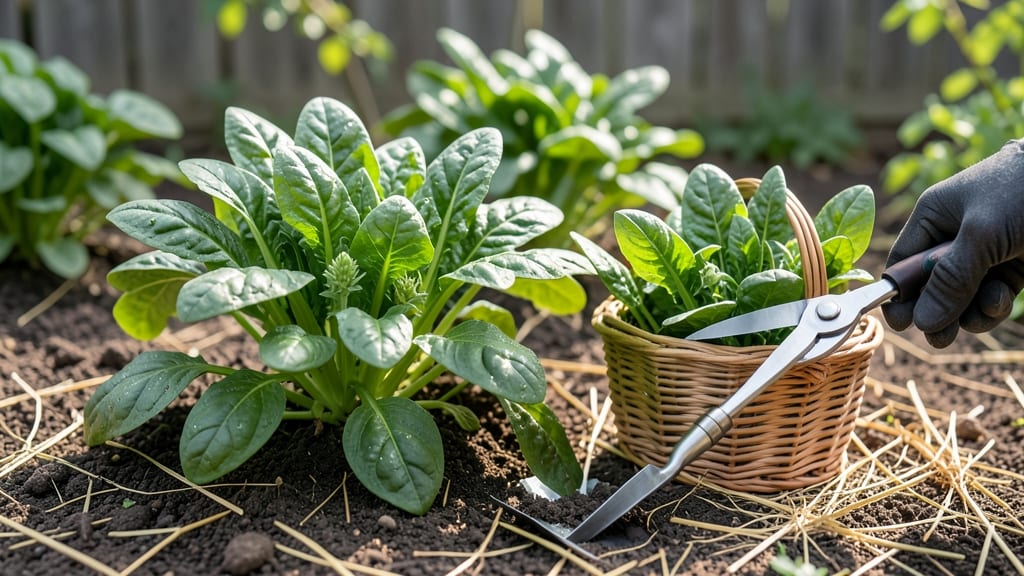
To harvest spinach so it keeps growing, trim outer leaves just above the crown—never more than one-third of the plant at once. This simple trick keeps your 🌱 thriving while giving you a steady supply of fresh greens.
Picture this: you’re about to pull the whole plant, only to realize it’s still putting out new leaves. That’s wasted potential! Instead, focus on the larger outer leaves first—they’re ready, and the plant will bounce back with fresh growth in just 7-10 days.
Timing matters, too. Harvest baby leaf spinach when leaves hit 4-6 inches, but avoid cutting into the center. Over-harvesting or using dull scissors stresses the plant, triggering bolting—the fast-track to bitter, seed-filled leaves.
Below, I’ll walk you through the exact cutting technique, when to fertilize post-harvest, and how to adjust for spring’s short growing window in Zone 6a. No more sad, stunted spinach—just a never-ending harvest!

When and how to cut spinach leaves for maximum regrowth
Harvesting spinach the right way means the difference between a bountiful, continuous supply and a plant that bolts or struggles to recover. The key is selective leaf-cutting, not removing entire plants or too many leaves at once.
When done correctly, spinach can regrow for weeks or even months, giving you fresh greens without replanting. I’ve found that timing and technique are everything—cut too early, too late, or too aggressively, and you’ll stunt your plant’s growth.
Start harvesting when your spinach leaves reach 4-6 inches long and have fully developed. This usually happens around 30-45 days after planting, depending on your climate. The goal is to encourage regrowth by leaving the inner leaves and growing point intact.
Avoid cutting more than 1/3 of the plant in a single session, or you risk weakening the plant and triggering bolting—the process where spinach sends up a flower stalk and becomes bitter.
Now, let’s dive into the step-by-step method for cutting spinach leaves to maximize regrowth. This approach ensures your plants stay healthy and productive, giving you a steady harvest all season long.
How to Harvest Spinach for Continuous Regrowth
-
Step 1: Wait for the Right Size
Harvest only when leaves reach 4-6 inches long. Smaller leaves won’t regrow as well, and larger ones may have already started bolting. -
Step 2: Use Clean, Sharp Tools
Grab a pair of sterilized pruning shears or a sharp knife. Dull tools crush stems and invite disease. -
Step 3: Cut Outer Leaves First
Snip the largest, outermost leaves at the base, leaving the inner leaves and growing point untouched. This protects the plant’s ability to regrow. -
Step 4: Avoid the Center
Never cut into the heart of the plant (the central leaves). This is where new growth emerges, and damaging it will kill the plant. -
Step 5: Limit Harvest to 1/3 of the Plant
Remove no more than 30% of the foliage in one session. This ensures the plant has enough energy to recover and regrow. -
Step 6: Harvest in Cool Weather
Spinach thrives in cooler temperatures (50-75°F). Avoid harvesting during hot afternoons, as stress can trigger bolting. -
Step 7: Water and Fertilize After Harvesting
Give your spinach a deep watering and a light dose of fertilizer (like a 10-10-10 blend) to encourage regrowth.
The outer-leaf method is my go-to for spinach because it mimics how the plant naturally grows. By always cutting the oldest, largest leaves first, you allow the younger, inner leaves to mature and take their place.
This creates a self-sustaining cycle where the plant keeps producing new growth. Over time, you’ll notice that your spinach plants become more resilient, and the regrowth happens faster with each harvest.
If you’re growing baby leaf spinach (like 'Baby’s Leaf Hybrid' or 'Tyee'), the process is slightly different. For these varieties, you can harvest entire small plants once they reach the desired size, typically 3-4 inches tall.
However, even with baby spinach, avoid cutting more than half the plant at a time to ensure the remaining leaves can recover and produce new growth.
Seasonal adjustments are crucial for spinach regrowth. In spring and fall, when temperatures are cooler, spinach grows more slowly, so you’ll need to harvest less frequently (every 2-3 weeks). During late summer or early autumn, when days are longer and temperatures rise, spinach may bolt faster.
To prevent this, harvest more aggressively (every 1-2 weeks) and keep the soil consistently moist. Mulching with straw or grass clippings helps retain moisture and cool the roots.
One of the biggest mistakes I see gardeners make is using dirty or dull tools. Always sterilize your scissors or knife with rubbing alcohol before each harvest to prevent spreading disease. Another common error is cutting too close to the base, which can damage the plant’s vascular system.
Instead, leave a small stem (about 1/4 inch) attached to each leaf to allow for faster healing.
After harvesting, monitor your spinach for signs of stress, like yellowing leaves or stunted growth. If you notice these, it’s a sign you’re harvesting too aggressively. Adjust your approach by cutting fewer leaves or spacing out your harvests.
With the right technique, your spinach can keep producing fresh leaves for up to 6 weeks or more, depending on the variety and growing conditions.
Pro tip: If your spinach starts to bolt (sending up a tall flower stalk), it’s a sign the plant is stressed or overmature. At this stage, harvest the remaining leaves immediately, as they’ll become bitter and tough.
To prevent bolting, always harvest before the plant reaches maturity and avoid letting it go to seed.
Spinach harvesting mistakes that kill regrowth (and how to avoid them)
Harvesting spinach the wrong way can turn your continuous yield into a one-time feast. Many gardeners accidentally stunt regrowth by making simple mistakes—like cutting too aggressively or ignoring plant health signals. The good news? These errors are easy to fix with the right techniques.
First, let’s address the biggest mistake: harvesting too much at once. When you remove more than one-third of the plant in a single session, your spinach struggles to recover.
This leaves the center vulnerable to stress, slowing down new leaf production. Even worse, over-harvesting can trigger bolting, turning your tender greens into bitter seed stalks.
⚠️ callout warning ⚠️
- Never cut more than 1/3 of the plant at once—this stunts regrowth.
- Use clean, sharp scissors to avoid tearing leaves (which invites disease).
- Harvest outer leaves first—this protects the growing center.
- Avoid harvesting when soil is dry—stressed plants bolt faster.
Pro Tip: Wait until leaves reach 4-6 inches before cutting. Smaller leaves mean slower recovery.
Another silent killer of regrowth is improper cutting angles. If you snip leaves at a sharp downward angle (like chopping off the tip), you risk damaging the stem.
Instead, use a gentle upward angle just above the leaf base. This preserves the plant’s energy pathways and encourages new shoots to emerge faster.
Don’t forget about post-harvest care. After cutting, spinach needs immediate attention to bounce back. Water deeply within 24 hours to replenish moisture lost during harvest. Follow up with a light fertilizer (like compost tea) to replenish nutrients. Skipping this step leaves your plants weak and prone to pests.
Finally, seasonal timing plays a huge role. Harvesting spinach in hot summer months (above 80°F) stresses the plant, often leading to bolting. Stick to cool spring or fall harvests for the best regrowth. If you must harvest in summer, provide afternoon shade and mulch heavily to keep roots cool.
By avoiding these common mistakes, your spinach will reward you with lush regrowth and a steady supply of fresh greens. Start with small, strategic cuts, and watch your plants thrive—no bitter surprises included! 🌱