
Plants
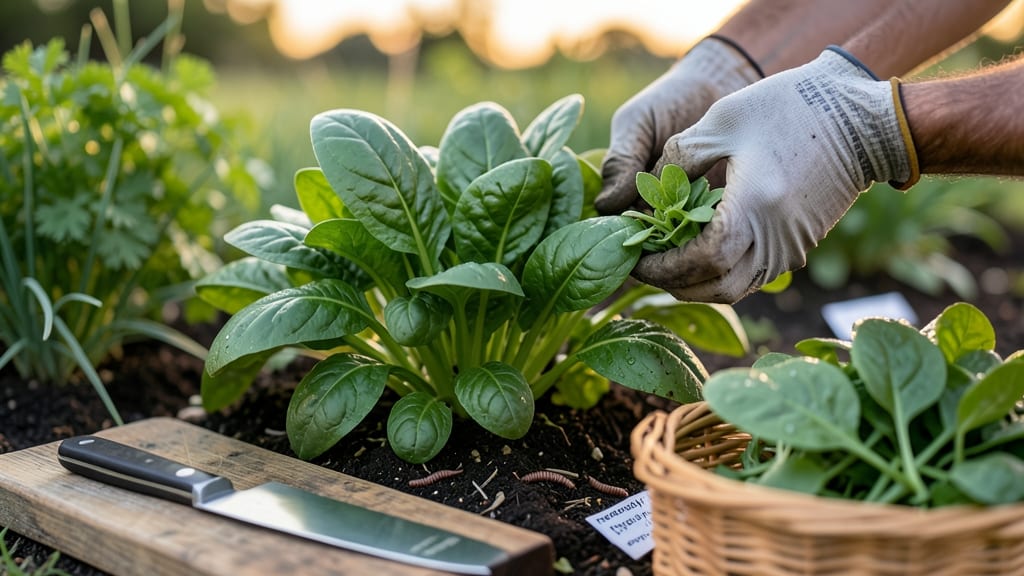
Harvesting spinach plants at the right time means tender, flavorful leaves packed with nutrients—before they bolt or turn bitter. 🥬
Picture this: you’ve nurtured your spinach for weeks, only to pull a leaf that tastes sharp and tough instead of sweet and crisp. That’s the difference between a perfect harvest and a wasted crop.
Timing is everything, and knowing when to pick ensures you get the most out of your garden.
In cooler climates like USDA Zone 6a, your best window is May to June for spring harvests or October to November in the fall. But warmer regions? You’ll need to act even faster to beat the heat.
Below, I’ll break down the exact visual cues—leaf size, color, and texture—that tell you it’s time to harvest, plus how to keep your plants producing for weeks.
You’ll also learn how to avoid common mistakes, like harvesting too much at once or ignoring early signs of bolting. By the end, you’ll be cutting leaves like a pro, maximizing your yield without sacrificing flavor.

How to identify perfect harvest time for spinach leaves
Knowing when to harvest spinach plants transforms your garden from a patch of green to a treasure trove of nutritious leaves. The difference between tender baby leaves and bitter mature plants often comes down to timing.
Spinach thrives when harvested young, but even mature leaves can be delicious if picked at the right stage. Let’s explore the key visual cues and growth signals that tell you it’s time to harvest.
Spinach plants typically reach harvest readiness between 30 to 60 days after sowing, depending on the variety. For baby leaf harvests, you can start picking as early as 30 days, while mature leaves are best harvested around 45 to 50 days.
The secret lies in observing three critical factors: leaf size, color, and texture. These clues ensure your spinach stays sweet, crisp, and free from the bitter flavors that develop as plants mature.
| Harvest Stage | Leaf Size | Color | Texture | Plant Age |
|---|---|---|---|---|
| Baby Leaves | 2-4 inches | Bright green | Tender, delicate | 30-35 days |
| Mature Leaves | 4-6 inches | Deep green | Crisp, firm | 45-60 days |
| Overmature | 6+ inches | Yellowing, red veins | Tough, bitter | 60+ days |
| Bolting | N/A | Pale, flowering | Stringy, woody | 70+ days |
For baby leaf harvests, focus on leaves that are 2 to 4 inches long and still tender. These young leaves are packed with flavor and nutrients, making them ideal for salads and garnishes.
To encourage continuous production, I always harvest the outer leaves first, leaving the inner leaves to grow. This method allows your spinach plants to keep producing for weeks, giving you a steady supply of fresh greens.
When spinach reaches mature size—typically 4 to 6 inches long—it’s time for a full harvest. At this stage, the leaves should be deep green and crisp, with a satisfying crunch. Mature leaves are perfect for cooking, sautéing, or blending into smoothies.
If you notice the leaves starting to yellow or develop red veins, it’s a sign they’ve overmatured and are becoming tough and bitter. Always harvest before this stage to maintain quality.
One of the biggest mistakes gardeners make is waiting too long to harvest spinach, allowing it to bolt or flower. Bolting occurs when spinach plants send up a flower stalk, usually triggered by heat stress or long daylight hours.
Once bolting begins, the leaves become woody and bitter, ruining their flavor and texture. To avoid this, I always monitor my spinach plants closely, especially during spring and fall transitions, when temperatures fluctuate.
Another key indicator of harvest readiness is the plant’s overall health. Healthy spinach plants have vibrant green leaves with no signs of yellowing or wilting. The stems should feel firm and upright, not leggy or stretched.
If your spinach looks stunted or pale, it might be struggling with nutrient deficiencies or poor soil conditions. In this case, address the issue before harvesting to ensure the best-quality leaves.
In cooler climates, like USDA Zone 6a, spinach often thrives in spring and fall, avoiding the heat of summer. I’ve found that harvesting in the morning, after the dew has dried but before the sun is too intense, yields the tenderest leaves.
This timing also helps prevent stress on the plants, keeping them productive for longer. If you’re growing spinach in warmer regions, opt for heat-tolerant varieties like 'Malabar' or 'Bloomsdale Long Standing' and harvest early in the day to avoid heat damage.
To maximize your harvest, I recommend using a sharp pair of scissors or pruning shears to cut leaves just above the soil line. This method encourages regrowth and prevents damage to the plant. Avoid pulling leaves
Step-by-step spinach harvesting techniques for maximum yield
Harvesting spinach correctly is the secret to a continuous supply of tender, flavorful leaves. The right technique preserves your plants while maximizing yield—so you can enjoy fresh greens for weeks. Unlike many vegetables, spinach rewards gentle handling with regrowth, but even small mistakes can trigger bitterness or bolting.
Let’s break down the best methods to harvest without harming your plants.
Your goal is to remove leaves without damaging the crown, which ensures new growth. Whether you’re harvesting baby leaves or mature spinach, timing and technique matter. Start by picking the outer leaves first—this protects the center and encourages continuous production.
Avoid cutting too close to the base, as this can expose the plant to pests and diseases. With the right approach, you’ll extend your harvest season by 4-6 weeks.
🌱 Step-by-Step Spinach Harvesting Guide
- Step 1: Choose the Right Time Harvest in the morning when leaves are crisp and hydrated. Avoid harvesting after rain or in the heat of the day.
- Step 2: Select Mature Leaves Pick leaves that are 4-6 inches long and deep green. Smaller leaves can be harvested for baby spinach, but larger leaves yield more.
- Step 3: Use the Right Tools Use clean, sharp scissors or pruning shears to avoid tearing leaves. A dull blade crushes stems and invites rot.
- Step 4: Cut at the Base Snip leaves 1-2 inches above the soil to leave the growth point intact. Never pull leaves—this uproots the plant.
- Step 5: Leave the Center Intact Always harvest outer leaves first to protect the inner rosette. This method encourages regrowth and keeps your plants productive.
- Step 6: Water Immediately After Give plants a deep watering post-harvest to replenish moisture and support new growth. Mulch lightly to retain soil moisture.
- Step 7: Monitor for Bolting Stop harvesting if plants start forming flower stalks. Bolting signals the end of the harvest cycle—save seeds if desired.
One of the biggest mistakes gardeners make is harvesting too aggressively. If you remove more than 1/3 of the plant at once, you risk stunting regrowth or shocking the plant.
Instead, aim to harvest every 2-3 weeks in small batches. This keeps your spinach productive and prevents stress. For container-grown spinach, be even gentler—smaller root systems are more delicate.
Cold weather can actually improve spinach flavor, but avoid harvesting after a hard frost unless leaves are still tender. If your region experiences light frosts, spinach often tastes sweeter post-frost.
In warm climates, harvest in fall or spring to avoid the heat, which causes bolting. Always check leaves for tenderness—if they snap easily, they’re ready.
After harvesting, store spinach properly to maintain freshness. Wrap leaves in a damp paper towel and place them in a sealed bag in the fridge. This keeps them crisp for 5-7 days.
For long-term storage, blanch and freeze—this preserves nutrients and extends shelf life. With the right harvesting techniques, you’ll enjoy a steady supply of homegrown spinach for months.
Pro tip: If your spinach starts to bolt, don’t panic. Some varieties, like ‘Bloomsdale Long Standing’, are bolt-resistant. Others, like ‘Tyee’, are better suited for cooler seasons. Choose varieties that match your climate to extend your harvest window naturally.