
How To
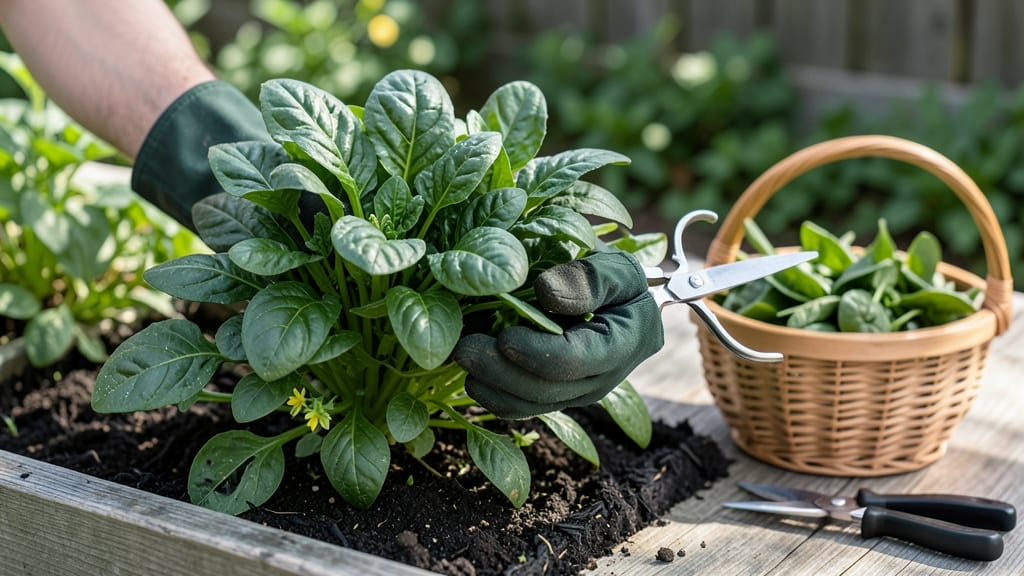
To harvest spinach at its peak flavor and keep your 🌱 plants thriving, timing and technique matter more than you might think.
Picture this: you’ve nurtured your spinach for weeks, only to pull a handful of tough, bitter leaves that taste more like disappointment than dinner. That’s what happens when you harvest too late—or too aggressively. The secret? Picking the right leaves at the right time, without stressing the plant.
Spinach is one of the fastest-growing greens you’ll grow, but harvesting correctly is the key to continuous production. You’ll learn exactly when to snip (not pull), which leaves to leave behind, and how to avoid the common mistakes that turn a lush patch into a sad, wilted mess.
By the end, you’ll know how to extend your harvest season, store your bounty, and even troubleshoot when things go wrong—so you can enjoy fresh, tender spinach straight from your garden for weeks.

When and how to harvest spinach for best flavor and regrowth
Harvesting spinach at the right time ensures peak flavor and encourages continuous regrowth. Unlike many greens, spinach thrives when you pick it selectively—never taking more than 1/3 of the plant at once.
The key is timing: aim for leaves that are 4-6 inches long and deep green, but avoid letting them bolt (flower) or they’ll turn bitter. I’ve learned the hard way that waiting too long ruins both taste and future harvests!
Spinach grows best in cool seasons, so your harvest window depends on your climate. In USDA Zone 6a, I plant two batches: one in early spring (March-April) for a May-June harvest, and another in late summer (August-September) for a fall harvest (October-November).
Heat above 80°F triggers bolting, so avoid summer planting unless you’re in a high-altitude or coastal area.
For baby spinach, you can harvest as early as 30 days after sowing, but the flavor is milder. Mature leaves take 45-60 days and offer the best texture and nutrition. I always check the outer leaves first—they’re larger and ready before the inner ones.
Pro tip: Harvest in the morning after dew dries but before the sun intensifies—this keeps leaves crisp and flavorful.
| Harvest Stage | Leaf Size | Plant Age | Best Time | Regrowth Tip |
|---|---|---|---|---|
| Baby Leaves | 2-3 inches | 30-40 days | Early morning | Light harvest; fertilize after |
| Mature Leaves | 4-6 inches | 45-60 days | Cool mornings | Harvest outer leaves; leave inner leaves |
| Over-Mature | >6 inches | >60 days | Avoid | Bitter; remove entire plant |
| Bolting Stage | Yellowing | Heat stress | Immediate | Pull entire plant; compost |
There are two main methods for harvesting spinach: individual leaves or whole plants. For continuous regrowth, I always opt for individual leaves. Use a clean, sharp pair of scissors or pruning shears to snip leaves at the base, leaving the stem intact.
This minimizes damage and encourages new growth. If you’re harvesting baby spinach for salads, you can cut the entire plant 1-2 inches above soil, but this sacrifices future harvests.
Never pull leaves by hand—this tears the plant and invites pests. I also avoid harvesting more than 1/3 of the plant at once, even if it’s tempting. Spinach is resilient, but over-harvesting stresses it and can lead to bolting or disease.
After harvesting, I always water deeply and add a light fertilizer (like compost tea) to replenish nutrients. This keeps my plants happy and productive for weeks.
Seasonal factors play a huge role in spinach harvests. In spring, I focus on young leaves to avoid bolting as temperatures rise. By fall, I can harvest larger leaves since cooler weather slows growth.
One year, I ignored the first frost warning and lost my entire fall crop to freezing. Now, I always harvest 2 weeks before the first frost and use row covers to extend the season if needed.
Storage is another critical factor for maintaining flavor. Freshly harvested spinach lasts 3-5 days in the fridge, but I prefer eating it within 24 hours for the best taste. To store, rinse leaves gently, pat dry, and wrap them in a damp paper towel inside a plastic bag.
For long-term storage, blanch and freeze leaves—this preserves nutrients and extends shelf life to up to 12 months. I’ve also tried drying spinach for teas, but it’s best enjoyed fresh!
If your spinach starts to bolt prematurely, don’t panic. This usually happens due to heat stress or long daylight hours. To fix it, I move plants to a shadier spot and keep soil cool and moist.
Some varieties, like ‘Bloomsdale Long Standing’, are more bolt-resistant, so I’ve switched to these for reliable harvests. For a second crop, I always succession plant
Spinach harvesting mistakes that kill your plants (and how to avoid them)
Harvesting spinach seems simple—just grab a leaf, right? But over-harvesting or using the wrong techniques can turn your thriving plants into sad, stunted survivors. I’ve seen firsthand how aggressive picking or ignoring subtle stress signals can kill your spinach before it reaches its full potential.
The key is balance: knowing when to stop and how to revive struggling plants.
One of the biggest mistakes gardeners make is harvesting too many leaves at once. Spinach regrows from its base, so removing more than 1/3 of the plant in a single session can shock it into dormancy.
I learned this the hard way when my Baby’s Leaf Hybrid patch wilted after I overzealously picked every mature leaf. Always leave the inner leaves and center growth point intact to encourage regrowth.
Using dirty or dull tools is another silent killer. A rusty or contaminated knife can introduce diseases like downy mildew, while tearing leaves instead of cutting them damages the plant. I now sanitize my pruners with rubbing alcohol between harvests and use clean, sharp scissors for precision cuts. This small habit has kept my spinach disease-free for seasons.
Ignoring plant stress signals is a common oversight. Yellowing leaves, stunted growth, or bitter taste are all cries for help. Heat stress or drought can cause spinach to bolt prematurely, ruining your harvest.
I’ve found that morning watering and shade cloth during hot afternoons can prevent these issues. Pay attention to your plants—they’ll tell you what they need.
⚠️ Harvesting Spinach Wrong Can Kill Your Plants!
Mistake #1: Harvesting more than 1/3 of the plant at once. Spinach regrows from its center—over-picking shocks the roots and stops regrowth.
Mistake #2: Using dull or dirty tools. Diseased blades spread pathogens like downy mildew, while tearing leaves damages the plant.
Mistake #3: Ignoring stress signals (yellowing, bolting, or bitter taste). These mean your spinach is under heat, drought, or nutrient stress.
Fix It: Harvest outer leaves first, sanitize tools, and provide consistent water and shade in hot climates.
Another critical error is harvesting bolted spinach. Once your plants flower, the leaves turn bitter and tough, making them inedible. I’ve seen gardeners panic and pull the whole plant when they notice flowers.
Instead, remove bolted plants immediately and focus on younger, tender leaves. This saves your soil for a second planting in fall.
Finally, harvesting at the wrong time of day can stress your plants. Picking in the midday heat causes wilting, while harvesting in the evening can trap moisture, promoting rot.
I now schedule my harvests for early morning when leaves are crisp and full of moisture. This simple habit keeps my spinach fresh and productive for weeks.
By avoiding these common mistakes, your spinach will stay healthy, flavorful, and productive all season. The secret? Patience, precision, and attentive care—just like any great garden. 🌿