
How To
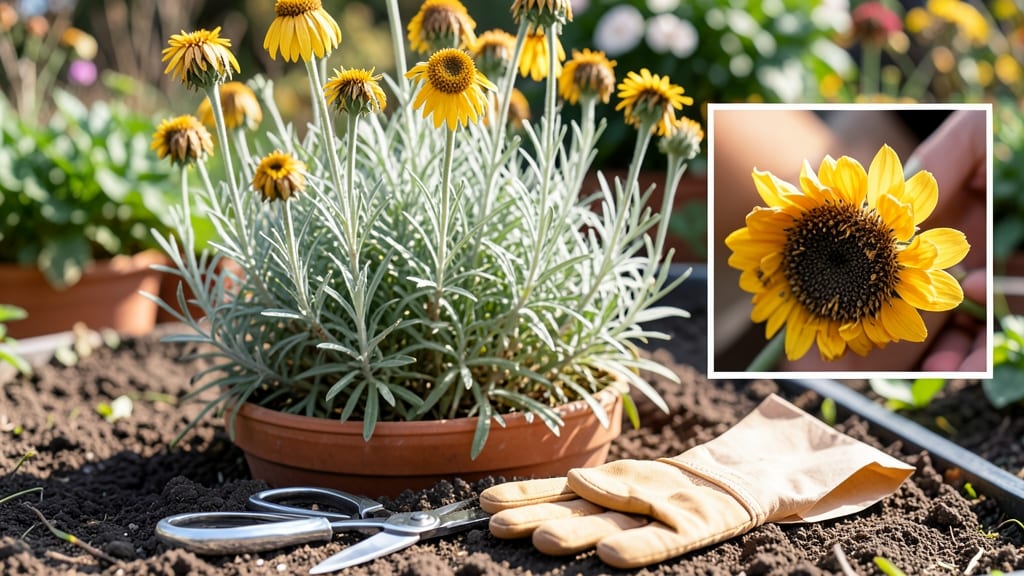
To harvest strawflower seeds properly, wait until the flower heads turn completely brown and dry 🌼—this is the sweet spot for collecting seeds that will sprout strong next spring.
Picture this: you’ve spent months admiring your vibrant strawflowers, and now the real magic happens. Those same blooms that brightened your garden can become next year’s plants if you time the harvest right. One wrong move, and you’ll end up with nothing but dust.
Harvesting at the wrong stage ruins seed viability, but getting it perfect means you’ll have a year’s supply of seeds ready for planting by March. Below, I’ll walk you through the exact steps—from recognizing when the seeds are ripe to storing them so they last for years.
You’ll learn how to spot the ideal maturity signs, the tools you’ll need, and the best way to dry and store your seeds so they’re ready to grow when the soil warms up again.

When to harvest strawflower seeds: timing for maximum viability
Timing is everything when harvesting strawflower seeds, and getting it wrong can mean the difference between high germination rates and wasted effort. These vibrant flowers produce seeds that retain their color and viability for years, but only if collected at the perfect moment.
The key is watching for visual maturity cues—like color changes and seed pod dryness—that signal the seeds are ready.
Most strawflowers reach their seed-ready stage between late summer and early fall, typically from September to October in USDA Zone 6a. However, regional climates play a huge role.
In warmer zones like Zone 8 or higher, you might harvest as early as August, while cooler climates could extend the window until November. Paying attention to your local frost dates is crucial—seeds must be collected before the first frost.
Here’s the golden rule: Harvest when the flower heads turn completely brown and papery, and the seed pods feel dry and brittle. If you pick too early, the seeds won’t be fully mature, leading to poor germination.
Too late, and frost or rain can ruin your harvest. The best indicator? Gently shake a dried flower head—if seeds rattle inside, they’re ready to collect.
One common mistake is assuming all strawflower varieties mature at the same time. Some, like 'Moulin Rouge' or 'Golden Fleece', may ripen slightly earlier than others.
Always monitor your plants individually, especially if you’ve grown multiple varieties. Color consistency across flower heads is another clue—once they’re uniformly brown, it’s time to act.
Climate also affects seed drying times. In humid regions, flower heads may take longer to dry naturally, while dry, sunny climates speed up the process. If you’re in a rainy area, consider harvesting slightly earlier and finishing the drying indoors.
This ensures your seeds don’t absorb excess moisture, which can lead to mold or rot during storage.
Another critical factor is seed pod structure. Strawflower seeds develop inside small, papery pods that eventually split open. When these pods are crisp and break easily with a gentle touch, the seeds inside are ready.
If the pods resist breaking, wait a few more days. Patience here pays off—overripe seeds can shatter or scatter before you’re ready to collect them.
Regional adjustments are key. For example, in Southern California (Zone 10), strawflowers may produce seeds as early as July, while in New England (Zone 5), you might not see maturity until October or November.
Always align your harvest with your local growing season. Missing the window means losing the chance to save seeds for next year’s garden.
Harvesting at the wrong time doesn’t just affect germination—it can also reduce seed viability. Seeds collected too early may not have fully developed embryos, while those left too late can suffer from moisture damage or fungal growth.
Aim for a dry, sunny day to harvest, as this minimizes the risk of mold and ensures the seeds stay dry during collection.
Pro tip: Mark your calendar based on your first frost date and count backward. Strawflowers typically need 120–180 days to mature from seed to harvest-ready flower. This gives you a rough timeline to anticipate when your plants will be ready.
For example, if your first frost is October 30, aim to harvest by mid-October to be safe.
Finally, don’t overlook the post-harvest drying process. Even if seeds look ready, they need 1–2 weeks of additional drying in a cool, dry place before storage. This step is non-negotiable—moisture is the enemy of long-term seed viability. Skipping it can lead to moldy seeds that won’t sprout.
| Stage | Visual Cues | Action | Best Timeframe |
|---|---|---|---|
| Early Maturity | Flower heads turn brown but still slightly green | Wait 5–7 days | Late August–Early September |
| Optimal Harvest | Completely brown, papery, seeds rattle | Collect immediately | September–October |
| Overripe | Pods split open, seeds scatter | Too late; discard | After first frost |
| Humid Climates | Pods stay moist, slow drying | Harvest early, dry indoors | Adjust by 1–2 weeks |
| Arid Climates | Pods dry quickly, crisp texture |
Step-by-step guide to collecting and drying strawflower seedsHarvesting strawflower seeds at the right moment ensures high germination rates and vibrant blooms next season. The key is patience—wait until the flower heads turn completely brown and papery, signaling seed maturity. Rushing this process can leave seeds underdeveloped or prone to mold, while waiting too long risks losing them to wind or rain. Grab your tools and let’s dive into the process step by step. Before you begin, gather a few essential items: a pair of clean pruning shears, a paper bag or envelope for collection, a drying tray (like a baking sheet), and a fine mesh screen for cleaning. Work on a dry, sunny day to avoid moisture, which can ruin your seeds. Strawflowers are self-pollinating, so you won’t need to worry about cross-contamination between varieties. How to Harvest Strawflower Seeds
One common mistake is harvesting seeds too early, when the flower heads are still partially green. These seeds may not germinate properly. Another pitfall is overcrowding the drying area, which traps moisture and encourages mold. Always work in a well-ventilated space to keep seeds dry and healthy. If you’re unsure whether seeds are ready, perform the shake test—if they don’t rattle, wait a few more days. Once your seeds are clean and dry, label them with the variety name and harvest date to avoid confusion later. Strawflower seeds are non-toxic and easy to store, making them perfect for gifting to fellow gardeners or replanting in future seasons. With proper care, you’ll have a new batch of blooms ready to brighten your garden next year. Pro tip: If you’re harvesting seeds from multiple plants, keep them separate to maintain color consistency in your next batch. Strawflowers are self-seeding in some climates, so you might even find volunteer plants popping up unexpectedly—just another reason to save seeds! |