
Vegetables
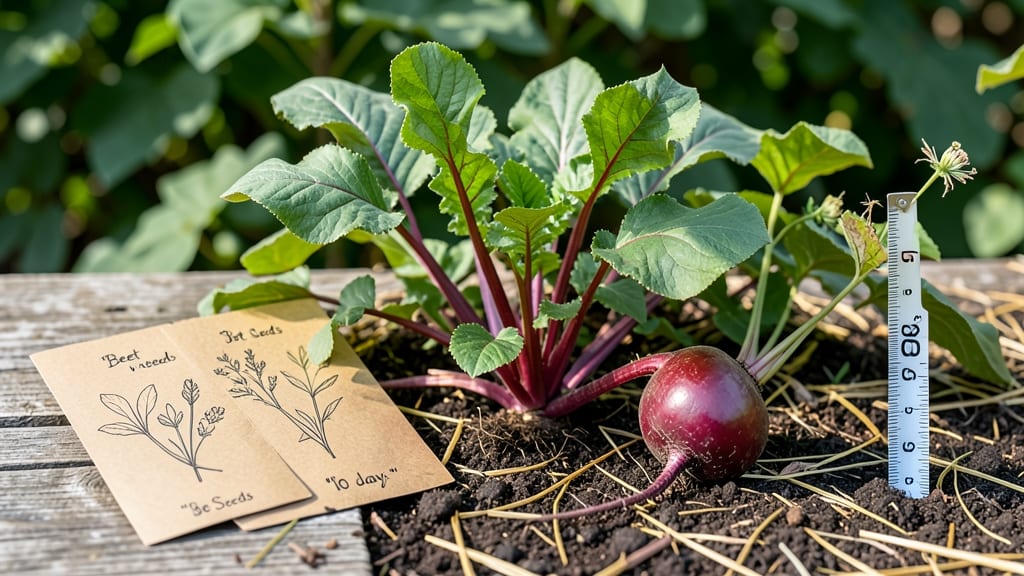
Growing beets from seed to harvest in 50-70 days is simpler than you think — if you nail the timing and avoid bolting, the key to sweet, tender roots.
Picture this: you’ve just planted your seeds in early spring, and by late summer, you’re pulling out plump, vibrant 🍠 beets instead of bitter, woody messes. The difference between those two outcomes? Knowing the exact days for each stage and how to keep your plants happy.
Beets are forgiving, but they do have a few quirks — like bolting when stressed by heat or drought. That’s why timing matters more than most gardeners realize. Plant too early, and you risk frost damage; too late, and the days grow long, triggering that unwanted flowering.
In this guide, I’ll walk you through the full beet-growing timeline, from seed to harvest, including the best planting windows for your zone, how to prevent bolting, and when to expect those first perfect roots. Ready to grow beets like a pro?

Beet seed germination to harvest timeline by variety (preventing bolting)
Timing is everything when growing beets from seed to harvest—especially if you want to avoid the dreaded bolting that turns sweet roots bitter. Different beet varieties mature at slightly different rates, and temperature fluctuations can drastically alter your harvest window.
By understanding the exact days to harvest for each type, you can plan your planting schedule to maximize sweet, tender beets all season long.
I’ve grown Detroit Dark Red, Chioggia, and Golden beets for years, and the biggest lesson I’ve learned? Spring planting gives you the longest harvest window, but fall planting can extend your season into late autumn if timed correctly.
Let’s break down the exact timelines for each variety, including how to adjust for your climate to prevent bolting and ensure a steady supply of harvests.
Bolting occurs when beets sense temperature changes or drought stress, triggering them to flower instead of growing roots. To avoid this, maintain consistent soil moisture and plant at the right time. For most regions, spring planting should happen 4-6 weeks before your last frost date, while fall planting works best 8-10 weeks before your first frost. Let’s dive into the specifics for each variety.
Detroit Dark Red beets are my go-to for a classic harvest because they’re reliable and handle cooler temperatures well. With 50-60 days to maturity, they’re perfect for early spring plantings. Start seeds indoors 4-6 weeks before your last frost, then transplant seedlings into the garden. If you’re in a warmer climate, opt for a fall planting in July to avoid summer heat stress, which can trigger bolting.
For Chioggia beets, those beautiful striped roots take a little longer—55-65 days to full maturity—but they’re worth the wait. The challenge? They’re highly sensitive to heat, so avoid planting them when daytime temperatures exceed 75°F.
If you live in a hot region, focus on spring plantings in April-May or late summer plantings in late July to catch a fall harvest before cold sets in.
Golden beets are the fastest to mature, with 45-55 days to harvest, making them ideal for succession planting or quick harvests. Their heat tolerance is higher than other varieties, so they’re a great choice for late summer plantings in August if you’re aiming for a fall harvest. I’ve even had success growing them in container gardens on patios, as long as they get full sun and consistent water.
To prevent bolting, monitor your soil moisture closely—drought stress is a primary trigger. Water deeply 1-2 times per week, aiming for 1 inch of water per week, and always water in the morning to reduce evaporation.
Mulching with straw or grass clippings helps maintain even moisture levels and keeps roots cool. If you notice leaves yellowing or stems elongating, it’s a sign your beets are bolting, and you’ll need to harvest immediately or adjust your watering schedule.
For a continuous harvest, I recommend succession planting every 2-3 weeks in spring and every 3 weeks in fall.
This way, you’ll always have fresh beets ready to pull from the garden. Fall plantings should be timed so that beets mature 4-6 weeks before your first frost, giving you a late-season harvest before cold weather sets in.
In my zone 6a, that means planting in late July or early August for a harvest in October or November.
One final tip: If you’re growing beets in containers, choose compact varieties like
How to extend beet harvest time without triggering bolting
Beets are one of my favorite crops because they’re so versatile, but nothing ruins a harvest faster than bolting—when your plants suddenly send up flower stalks, turning sweet roots into bitter, fibrous messes.
The good news? With a few smart strategies, you can extend your harvest window by weeks, even in hot climates.
Bolting happens when beets sense long daylight hours or stress from heat/drought. The key to preventing it is creating consistent growing conditions—something I’ve perfected over years of trial (and a few failed harvests). Here’s how I do it now.
Critical Timing Alert!
Beets planted too early in spring or too late in summer bolt fastest. For Zone 6a (like my garden), aim for March-April or July-August plantings to avoid extreme heat or cold snaps that trigger stress responses.
My first trick is succession planting—sowing new seeds every 2-3 weeks instead of all at once. This gives me a continuous harvest and ensures I’m always pulling beets at their peak sweetness.
For example, I plant my first batch in early April, then follow up with seeds in late April, early May, and even late July for a fall crop.
Another game-changer is using shade cloth during peak summer heat. A 30-50% shade cloth reduces soil temperature by up to 10°F, which is enough to prevent bolting. I drape it over my beet beds from June through August, removing it in the mornings if the weather cools down.
The cloth also helps maintain even moisture levels—a major bolting trigger.
Don’t overlook companion planting. Beets thrive near lettuce, radishes, and onions, which help deter pests and compete for nutrients. I always plant radishes alongside my beets because radishes mature faster and mark the soil where beets can follow.
Plus, the radishes’ shallow roots don’t disturb the beets’ deeper growth.
Finally, consistent soil moisture is non-negotiable. Beets need 1-1.5 inches of water weekly, but the soil must never dry out completely. I use drip irrigation on a timer to deliver water slowly at the roots, which keeps the tops lush and prevents stress.
Mulching with straw or grass clippings locks in moisture and regulates temperature—another bolting prevention tactic.
With these methods, I’ve extended my beet harvest from 4-6 weeks to a full 8-10 weeks each season. The secret? Staying proactive about light, water, and temperature control—not just reactive when problems arise. 🌱