
How To
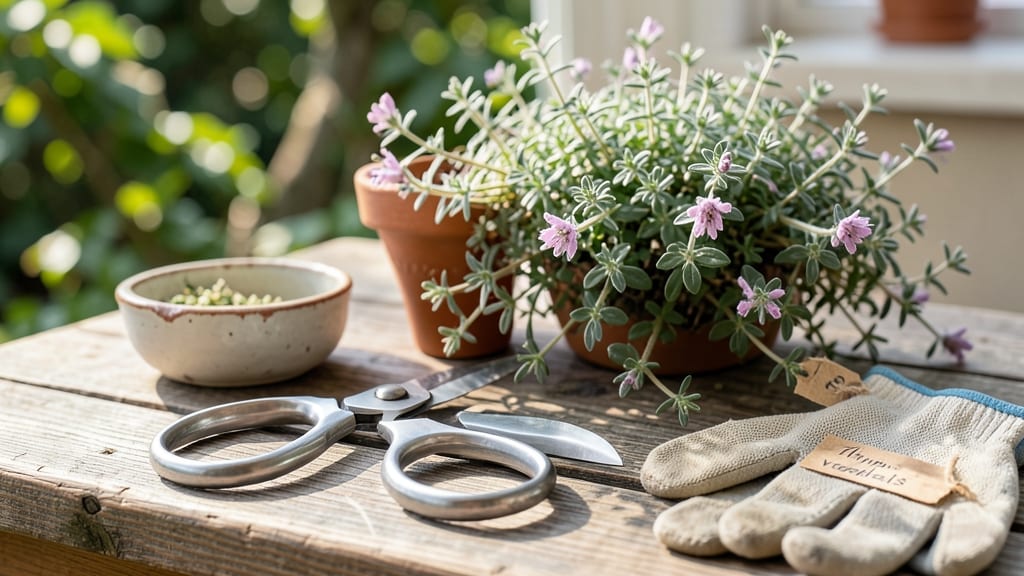
Harvesting thyme at the right time and with the right technique ensures you get the boldest flavor while keeping your 🌿 thriving for years.
Picture this: you snip a sprig of thyme just as it peaks in aroma, and the kitchen instantly smells like a sun-drenched herb garden. But miss the window, and you’re left with bitter stems or a plant that struggles to bounce back.
The good news? A few simple steps make all the difference.
From knowing when to cut—before flowering for maximum potency—to how to prune without stunting growth, this guide covers everything you need. You’ll learn how regular harvesting actually encourages your thyme to grow bushier, not sparse, and which tools to use for clean cuts every time.
Plus, we’ll walk through storage tips so your freshly harvested thyme stays vibrant, whether you’re drying it for winter or freezing sprigs for quick-cooking recipes. Ready to turn your herb patch into a flavor powerhouse?

When to harvest thyme for maximum flavor and plant health
Timing your thyme harvest is everything—cut too early, and you’ll miss the boldest flavors. Harvest too late, and your plant may struggle to regrow. The best time depends on your climate and growth stage, but most gardeners agree: late spring through early summer delivers peak aroma.
This window ensures leaves are fully developed but before flowering, which can dilute flavor.
In mild climates, you can harvest thyme year-round, but the most flavorful leaves appear after the first frost-free 60-90 days of growth. If you’re in a cooler zone, wait until after the last frost when soil warms to at least 50°F (10°C).
This timing balances flavor intensity with plant vitality.
Here’s the key: Harvest thyme before flowering. Once those tiny purple blooms appear, the plant redirects energy to seeds, and leaves become less aromatic. Instead, aim for mature stems with multiple leaf sets—these are your flavor powerhouses.
A good rule of thumb is to harvest when stems are slightly woody at the base but still flexible.
Spring harvests yield the most delicate thyme, perfect for salads or garnishes. In summer, when growth accelerates, focus on regular light harvests to maintain flavor and encourage bushier regrowth.
Never remove more than one-third of the plant at once—this ensures your thyme stays lush and productive for months.
Pro tip: Crush a few leaves before harvesting. If they release a strong, earthy scent, your thyme is ready. If not, wait 1-2 weeks for full maturity. This simple test saves you from harvesting underripe or overripe leaves that lack depth.
Balancing harvests with plant health is an art. For example, in Zone 7 or warmer, thyme grows aggressively and can handle monthly harvests if pruned correctly.
In cooler zones, limit harvests to every 4-6 weeks to avoid stressing the plant before winter. Always leave lower leaves intact—they fuel new growth.
One common mistake is harvesting only the top leaves, which weakens stems. Instead, use sharp scissors or pruners to cut just above a leaf node. This encourages side shoots to fill out, creating a fuller, more productive plant. Think of it like trimming a hedge—precision matters!
If your thyme starts to look leggy or sparse, it’s a sign you’ve been harvesting too aggressively. Pause for 2-3 weeks and focus on watering deeply (but not overwatering) and placing it in full sun.
Within weeks, you’ll see vigorous new growth, ready for another round of harvests.
For year-round harvests, overwinter thyme by mulching heavily and protecting it with burlap or frost cloth. Even in winter, you can harvest sparse but flavorful leaves if temperatures stay above 20°F (-7°C). Just avoid cutting into frost-damaged stems, which won’t regrow.
Step-by-step thyme harvesting techniques for beginners
Harvesting thyme correctly ensures you get the most flavor while keeping your plant healthy and bushy. The key is to use the right cutting techniques and avoid over-harvesting, which can stress your herb. Whether you're harvesting leaves or stems, timing and precision matter most—especially for first-time gardeners.
Thyme thrives when you prune regularly, but never take more than one-third of the plant at once. This encourages new growth and keeps your thyme looking lush.
Use sharp tools to make clean cuts, and always harvest in the morning after dew dries for the freshest flavor and easiest handling.
- 🌱 Choose the right time: Harvest thyme in the morning after dew dries but before midday heat. Avoid harvesting after rain to prevent disease.
- ✂️ Select healthy stems: Look for woody stems with multiple leaf sets. Avoid cutting stems with yellow or wilted leaves.
- 📏 Cut at the right angle: Use clean pruning shears and cut just above a leaf node (where leaves meet the stem) at a 45-degree angle.
- 🌿 Harvest leaves or stems: For leaves only, pinch them off gently. For stems, cut 3-4 inches from the base to encourage bushier regrowth.
- 💧 Water and fertilize after: Give your thyme a light watering and a balanced fertilizer (5-10-10) to support new growth.
- ⏰ Harvest every 4-6 weeks: Regular harvesting keeps thyme compact and flavorful. Avoid harvesting in winter dormancy (if in cold climates).
When harvesting thyme, always leave the lower leaves intact to protect the plant. These leaves help shield the stem from sun damage and pests. If you're growing thyme in containers, be extra cautious not to over-harvest, as potted plants have limited root space for recovery.
For maximum flavor, harvest thyme before it flowers. Once thyme blooms, its leaves become less aromatic and more bitter. If you miss this window, you can still harvest, but the flavor won’t be as potent.
Prune flowers as soon as they appear to redirect the plant’s energy back into leaf production.
Store harvested thyme properly to preserve its freshness and aroma. For immediate use, wrap stems in a damp paper towel and place them in a sealed plastic bag in the fridge. For long-term storage, dry or freeze the thyme within 24 hours to lock in flavor.
With these techniques, your thyme will stay productive and flavorful for years. Happy harvesting—your kitchen (and garden) will thank you! 🌿✂️