
How To
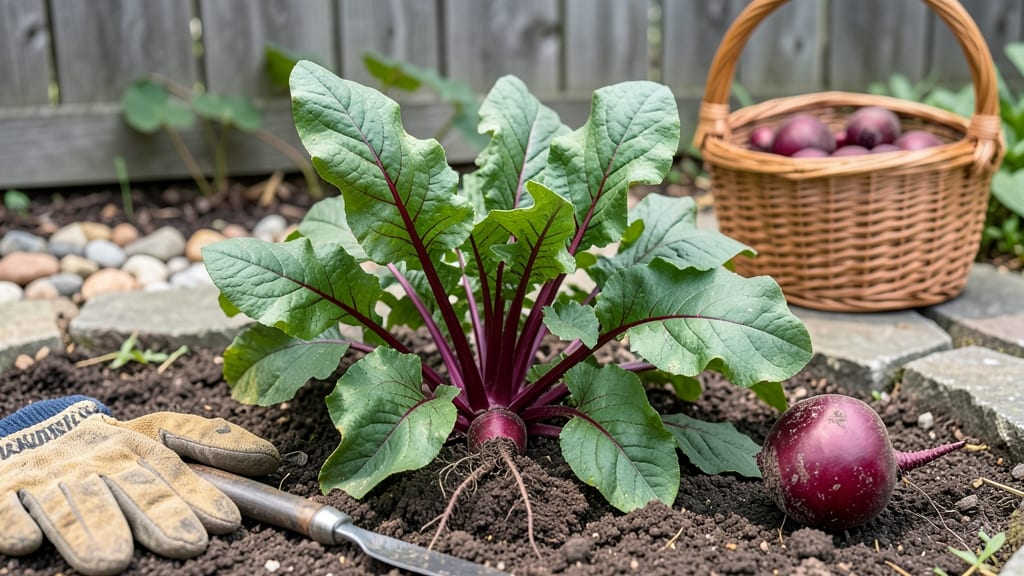
Knowing when to harvest beetroot 🍠 means the difference between tender, sweet roots and tough, woody disappointments — and the secret is simpler than you think.
Picture this: you’ve nurtured your beetroot for weeks, only to pull them too early and end up with tiny, underdeveloped roots, or too late and find them bitter and stringy. The good news? There’s a foolproof way to tell when they’re perfectly ready — and it doesn’t require a guess.
In this guide, I’ll walk you through the soil resistance test, the most reliable method for determining peak sweetness, plus 5 key visual cues that confirm your beetroot is harvest-ready.
Whether you’re a beginner or a seasoned gardener, these tips will help you avoid common mistakes and enjoy the best flavor possible.
Ready to transform your harvest from "meh" to "mind-blowing"? Let’s dive in and master the art of timing your beetroot pull for maximum sweetness and texture.

The soil resistance test: the most reliable way to harvest beetroot at peak sweetness
Beetroot reaches its peak sweetness when harvested at the right moment—and the soil resistance test is my go-to method for pinpointing that perfect time. Unlike guessing by days or leaf color, this tactile approach ensures you pull roots when they’re firm, flavorful, and ready to eat.
I’ve used this technique for years in my garden, and it’s saved me from harvesting beetroot that’s either woody or underdeveloped.
This method works by assessing how easily your beetroot resists gentle pressure when pulled from the soil. A properly mature beetroot should feel firm but not rock-hard, with just enough give to indicate full development.
The test is simple, but mastering it means never missing the window between 50 and 70 days after planting—when beetroot is at its sweetest and most tender.
How to Perform the Soil Resistance Test
-
Step 1: Wait for the right time frame
Test between 50 and 70 days after planting. Before day 50, roots are too small; after day 70, they may become woody. -
Step 2: Choose a dry, sunny day
Work when soil is slightly dry (not muddy). Morning is best to avoid heat stress on the plants. -
Step 3: Gently grasp a beetroot near the soil line
Use your thumb and forefinger to apply light upward pressure. Avoid yanking—this can damage smaller roots. -
Step 4: Assess resistance
If the beetroot resists slightly but gives way with 1-2 seconds of pressure, it’s ready. If it pulls out too easily, it’s underdeveloped; if it won’t budge, it’s overripe. -
Step 5: Check the root’s appearance
A ready beetroot will have a smooth, glossy skin and a clean white base when exposed. If the skin is rough or the base is green, wait a few more days. -
Step 6: Harvest and store properly
Use a garden fork to loosen soil around the root, then pull gently. Trim leaves to 1 inch and store in a cool, dark place for up to 2 weeks.
What makes this test so effective is its focus on physical feedback rather than relying solely on visual cues. For example, a beetroot might look large enough to harvest, but if it feels spongy when tested, it hasn’t fully developed its sweetness.
Conversely, a smaller beetroot that resists firmly could be sweeter than a larger, softer one.
Seasonal timing also plays a role. In warmer climates, beetroot may mature faster (50-60 days), while in cooler regions, the window stretches to 60-70 days.
I’ve found that testing in the late morning gives the most accurate results, as soil is warm enough to be workable but not so hot that it dries out quickly.
Another pro tip: Test a few beetroot from different parts of your garden. Soil conditions can vary slightly, leading to uneven maturity. If one area’s beetroot are ready but another’s aren’t, it’s a sign of inconsistent soil moisture or nutrient levels.
Adjust your watering or fertilizing routine accordingly for next season.
Once you’ve mastered the soil resistance test, you’ll notice a dramatic improvement in both the flavor and texture of your harvested beetroot. The roots will be firm yet tender, with a deep, rich color that indicates peak sweetness.
Plus, you’ll avoid the disappointment of pulling beetroot that’s either too small or too woody to enjoy.
For those growing baby beetroot (harvested at 30-40 days), skip the resistance test and focus on size and color. But for full-sized beetroot, this method is unbeatable. It’s the difference between a mild, slightly earthy root and one that’s bursting with sweet, caramel-like flavor.
Protect your harvest by avoiding the 3-day rule: Never harvest beetroot after a heavy rain, as the soil becomes too loose, making roots prone to damage. Wait until the soil is dry enough to crumble in your hands but not bone-dry.
With practice, the soil resistance test becomes second nature. You’ll develop an intuition for when your beetroot are ready, and your garden will thank you with sweet, homegrown roots that rival anything from the store. Happy harvesting! 🌱🍠
5 Key visual and physical signs your beetroot is ready for harvest (beyond the soil test)
While the soil resistance test is my go-to method for determining beetroot readiness, there are visual and physical cues that often give away the perfect harvest time before you even touch the soil.
These signs act as nature's way of telling you, "It's time!"—whether it's through root size, leaf condition, or even subtle color shifts. Ignoring these can mean missing out on the sweetest, most flavorful harvest.
I’ve learned the hard way that waiting for these cues ensures peak sweetness and optimal texture. For example, a beetroot pulled too early might be woody and bitter, while one left too long can become tough and lose its vibrant color.
Let’s explore the five key indicators that confirm your beetroots are ready for harvest, so you can enjoy that perfect balance of earthy sweetness and tender crunch.
Beetroots are typically ready when they reach the size of a golf ball to a tennis ball. Smaller roots (under 1 inch) are still developing their sweetness, while larger ones can become fibrous.
When the outer leaves start to yellow or wilt slightly, it’s a sign the plant is redirecting energy to the root. However, don’t wait until the leaves are completely brown—this can indicate stress or bolting.
A smooth, glossy skin is a hallmark of a mature beetroot. If the skin feels rough or bumpy, the root is likely still growing. This texture also indicates the beetroot has developed its full flavor profile.
Look for a deep, even color—whether red, gold, or striped. Pale or uneven coloring can mean the beetroot hasn’t fully matured. The deeper the color, the sweeter and more flavorful the root will be.
Beetroots thrive in warm, sunny days with moderate rainfall. If your region has experienced consistent temperatures between 60-75°F and steady (not excessive) rain, your beetroots are likely nearing harvest. Dry spells can slow growth, while too much rain can dilute flavor.
Paying attention to these five visual cues will help you harvest your beetroots at their peak. For instance, I once missed the leaf yellowing sign and ended up with a few beetroots that were past their prime—less sweet and slightly woody.
Since then, I’ve made it a habit to check my plants daily during the harvest window (typically 60-70 days after planting).
Another pro tip: If you’re growing baby beetroots (smaller varieties like 'Little Ball' or 'Detroit Dark Red'), you can harvest them earlier—around 40-50 days—when they’re about 1 inch in diameter.
These varieties are sweeter when young and tender. For larger heirloom types, like 'Chioggia' or 'Golden', wait until they reach 2-3 inches in diameter for the best flavor.
Finally, always harvest on a cool, overcast day to reduce stress on the plant. Pulling beetroots in the heat of the day can cause them to bolt or develop a bitter taste.
Store them in a cool, dark place (like a root cellar or refrigerator) to preserve their freshness and sweetness for up to a few weeks.
By combining these visual cues with the soil resistance test, you’ll never miss the perfect moment to harvest your beetroots again. Trust me, your taste buds will thank you!