
How To
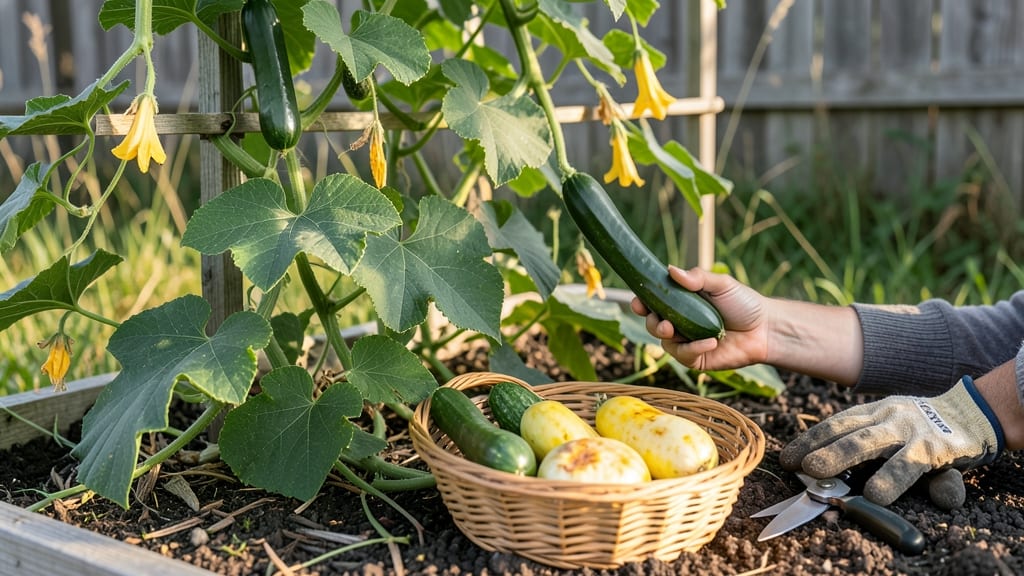
To know when to harvest cucumbers, focus on three key cues: size, texture, and color, which together reveal the perfect moment for crisp, flavorful 🥒.
Picking cucumbers at the wrong time can turn your crisp, garden-fresh harvest into a mealy, waterlogged disappointment—but these simple tactile tests will help you master the perfect moment.
Most gardeners rely on size alone, but a cucumber’s true readiness hides in its skin and stem. A gentle thumbpress should yield slightly, while a firm snap near the stem signals peak ripeness.
Below, I’ll walk you through the exact tactile checks—plus how heat and humidity can speed up or slow down ripening—so you never miss the window for that crunchy perfection.

3 Tactile tests to determine cucumber ripeness beyond size
Relying only on cucumber size to judge ripeness can lead to disappointing harvests. Some varieties stay small but pack maximum flavor, while others need that extra inch to reach peak texture. The key lies in tactile cues—what your hands and eyes detect beyond simple measurements.
These three simple tests will help you harvest at the perfect moment, ensuring crisp, flavorful cucumbers every time.
I’ve tested these methods across my bush varieties and vining cucumbers, and they work consistently. The best part? You don’t need any special tools—just your fingers, a little pressure, and a keen eye for detail.
Let’s dive into the thumbprint test, stem snap, and bloom check to unlock the secrets of cucumber perfection.
Press your thumb firmly into the cucumber’s skin. If it leaves a slight dent that bounces back within 3 seconds, it’s ready. A hard, unyielding surface means it’s too soon, while a deep dent that stays means it’s overripe.
Gently bend the cucumber’s stem near the fruit. A clean snap indicates peak ripeness. If the stem bends without breaking, the cucumber needs more time. If it snaps but leaves a ragged edge, it’s past its prime.
Look for a yellowing bloom at the cucumber’s base. If the flower has fully wilted and dropped, the cucumber is ready within 24 hours. A still-green bloom means it’s too early, while a shriveled, brown bloom signals overripeness.
Let’s start with the thumbprint test, my go-to method for quick assessments. When I run my thumb along the cucumber’s side, I’m checking for skin firmness and resilience. A ripe cucumber should yield just enough to show it’s ready but not so much that it feels mushy.
I’ve found that bush varieties like ‘Bush Champion’ often pass this test at 5-6 inches, while vining types like ‘Straight Eight’ may need to reach 7-8 inches for the same tactile response.
Next, the stem snap is a game-changer for vining cucumbers, which can hide behind dense foliage. By bending the stem near the fruit, I can tell if the cucumber is ready without even seeing it.
A clean break means the plant has fully supported the fruit’s growth, and it’s time to harvest. I’ve noticed that morning harvests often yield the cleanest snaps, as evening humidity can sometimes make stems more pliable.
The bloom check is my favorite for heirloom varieties, where color and size can vary widely. When the flower at the cucumber’s base turns yellow and drops, it’s a clear signal that the fruit is nearing peak ripeness.
I’ve learned to watch for this cue especially in heat waves, as cucumbers can ripen faster when temperatures climb above 85°F. If the bloom is still green, I’ll give the cucumber another day or two.
Timing your harvests using these tests ensures you avoid the bitter, seedy cucumbers that come from waiting too long. I’ve had my share of overripe disappointments—those waterlogged, bland cucumbers that taste more like sponges than fresh produce.
But with these tactile methods, I now pick cucumbers at their crispest, most flavorful stage every time. The key is consistency: check your cucumbers every 2-3 days during peak growing season.
Pro tip: Combine these tests with a quick taste test if you’re unsure. A ripe cucumber should have a bright, crisp crunch with minimal bitterness. If you detect even a hint of bitterness near the stem, it’s time to harvest immediately.
This is especially true for long English cucumbers, which can develop bitter compounds quickly if left on the vine too long.
For container gardening, I’ve adapted these tests by using my fingers to gently squeeze the cucumber through the pot’s edges. The thumbprint test works just as well in small spaces, and the stem snap is easier to perform when vines are trained upward.
Just be mindful of root-bound stress, which can sometimes make cucumbers appear overripe when they’re not.
Remember, the goal is consistent harvests, not perfection. Even the best gardeners miss a cucumber or two, but these tactile tests will give you a 90% success rate in picking at the ideal moment.
Start with these methods today, and you’ll never again wonder whether your cucumbers are ready to eat—just reach out and feel for yourself! 🥒
Why harvesting too early or late ruins flavor and texture
Harvesting cucumbers at the wrong stage transforms their crisp texture and sweet flavor into disappointment. Premature cucumbers taste bitter and develop seeds too quickly, while overripe ones turn mushy and bland. Understanding the science behind ripening helps you avoid these pitfalls and enjoy garden-fresh perfection every time.
The chemical composition of cucumbers changes dramatically as they mature. Early harvesting locks in high moisture and low sugar content, but the fruit remains hard and seedy. On the other hand, overripe cucumbers lose their structural integrity, becoming soft and waterlogged due to cell breakdown.
Here’s how timing affects your harvest:
Premature Harvesting
- Crisp texture
- Longer shelf life
- Good for pickling
- Bitter taste from underdeveloped sugars
- Seeds are fully formed, reducing quality
- Smaller size, less yield
Overripe Harvesting
- Sweeter flavor
- Larger size
- Mushy texture from cell breakdown
- Bland, watery taste
- High risk of pests and rot
Ideal Harvest Timing
- 6-8 inches in length
- Deep green color (or variety-specific)
- Firm but slightly yielding skin
- Hard skin (underripe)
- Yellowing or spotted skin (overripe)
- Soft stem ends (rotting)
Adjusting growing conditions can help control ripening speed. Hotter temperatures accelerate growth, while cooler weather slows it down. If your cucumbers ripen too quickly, provide partial shade during peak afternoon heat. Conversely, if they’re lagging, ensure they receive full sun exposure and maintain consistent moisture.
Regular harvesting also encourages continued production. When you pick cucumbers at the right stage, the plant focuses energy on producing more fruit instead of letting existing ones overripen. This feedback loop keeps your harvest abundant and flavorful throughout the growing season.
Pay attention to variety-specific cues—some cucumbers, like slicing types, are best harvested larger, while pickling varieties should be smaller. Always prioritize texture and firmness over size for the best results.
By mastering the balance between premature and overripe harvesting, you’ll enjoy cucumbers at their peak—crisp, sweet, and seedless every time. 🥒