
How To
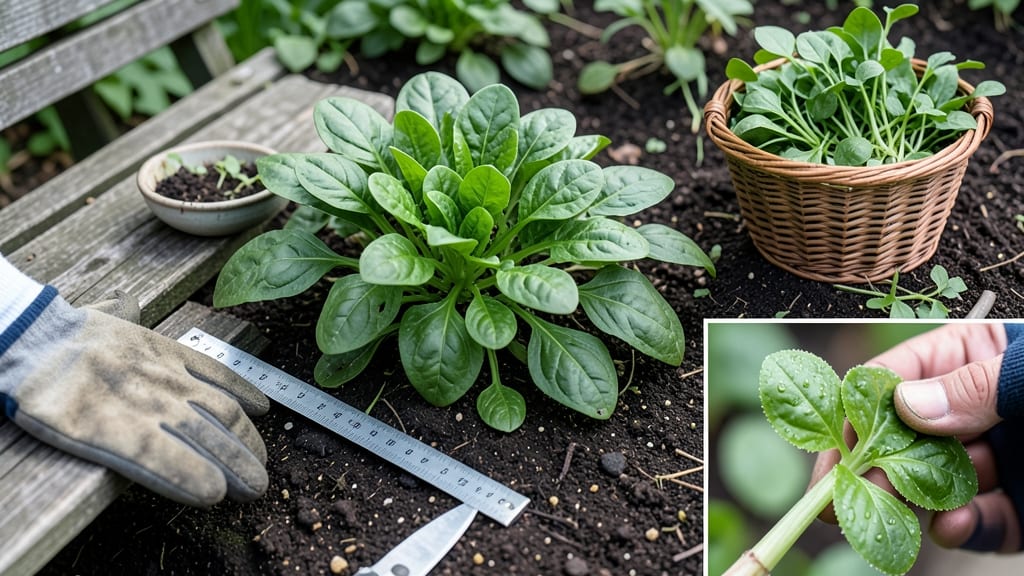
Knowing when to harvest spinach 🍃 comes down to three simple cues: leaf size, color, and tenderness—each one a signal your plants are ready for the table.
Picking spinach at the perfect moment ensures tender leaves packed with flavor—harvest too early, and you waste potential; too late, and it turns bitter. Here’s how to master the timing using simple leaf tests every gardener should know.
Start by checking leaf width: 4-6 inches is the sweet spot for baby leaves, while mature harvests hit 6-8 inches before bolting. Look for bright green color with no yellowing edges—those are your go signals.
Below, I’ll walk you through the exact visual checks, how often to harvest for continuous yields, and the one mistake that turns your spinach tough. Ready to avoid the bitterness trap?

Spinach leaf size and shape: the best visual harvest indicators
Harvesting spinach at the right time means focusing on two key visual cues: leaf size and shape. These indicators reveal whether your plants are ready for a tender harvest or past their prime. For baby spinach, look for leaves between 2-3 inches long with smooth, delicate edges.
Mature spinach, on the other hand, should have leaves reaching 4-6 inches—this is when they’re packed with flavor and nutrients.
One of the easiest ways to judge readiness is by examining the leaf edges. Young spinach leaves have smooth or slightly wavy edges, while mature leaves develop serrated or jagged edges.
If you notice leaves curling at the edges or developing a cupped shape, it’s a sign they’re becoming tough and less flavorful. Pay attention to these details to avoid harvesting spinach that’s too old or bitter.
For baby spinach harvests, aim for leaves that are flat and broad, measuring about 2-3 inches wide. These leaves are perfect for salads and quick cooking.
If you’re growing spinach for mature harvests, wait until the outer leaves reach 4-6 inches in length and are bright green with a crisp texture. The key is to harvest before the plant starts sending up a flower stalk, which signals the end of its productive life.
🌱
To distinguish between ready-to-pick and overgrown spinach, focus on the leaf shape. Ready-to-harvest leaves are flat and broad, while overgrown leaves often curl inward or develop a bowl-like shape.
If you see yellowing edges or purple stems, it’s a clear sign the plant is stressed and past its prime. These visual cues help you avoid harvesting spinach that’s lost its tenderness and flavor.
Another pro tip: Check the stem. When spinach is ready for harvest, the stem should separate easily from the base when gently pulled. If it resists or snaps, the leaves are still too young.
Conversely, if the stem feels woody or fibrous, the spinach has overgrown and is no longer ideal for eating. This simple test saves you from harvesting spinach that’s tough or bitter.
For continuous harvests, adopt a cut-and-come-again approach. Snip the outer leaves when they reach 4-6 inches, leaving the inner leaves to grow. This encourages the plant to produce more tender leaves over time.
If you’re growing baby spinach, you can harvest every 2-3 weeks by cutting leaves at the base. For mature spinach, space harvests 4-6 weeks apart to allow the plant to regrow fully.
If you’re unsure whether your spinach is ready, compare it to the table above. The visual differences between baby, mature, and overgrown leaves are your best guide.
By mastering these leaf size and shape indicators, you’ll always know exactly when to harvest for the tenderest, most flavorful spinach possible. Happy harvesting!
✂️
Color and texture tests: why green isn’t always the answer
Spinach leaves aren’t always bright green when they’re ready to harvest—sometimes subtle color shifts reveal the perfect moment. Yellowing edges or purple stems can actually signal overmaturity or stress, not readiness. Understanding these color cues helps you avoid bitter, tough leaves that ruin salads and stir-fries.
Texture is another critical clue. Crisp, tender leaves with a slight snap when folded are ideal, while rubbery or fibrous leaves mean you’ve waited too long. Even deep green leaves can be past their prime if they feel tough—don’t rely solely on color to judge harvest time.
⚠️ callout warning
If your spinach develops purple stems or yellowing edges, it’s a sign of stress—often from heat or drought. These leaves will taste bitter and tough, not sweet and tender. Harvest immediately or risk wasting your crop. For best flavor, pick when leaves are 4-6 inches long and bright green with no discoloration.
Start by checking the outer leaves first—they mature faster than inner ones.
If the edges turn yellow or brown, it’s time to harvest before the whole plant bolts. Baby spinach (harvested at 3-4 inches) should have soft, delicate textures, while mature leaves (6+ inches) can handle slightly thicker stems but still need to stay crisp, not leathery.
Temperature also affects color and texture. Cool spring mornings produce the sweetest, most tender spinach, while hot summer days can cause leaves to turn bitter faster. If your spinach starts developing red or purple hues in warm weather, it’s a sign to harvest sooner rather than later.
Pro tip: Pinch off the toughest outer leaves first to encourage new growth. This keeps the plant producing tender inner leaves for weeks. Avoid harvesting when leaves are wilted or limp—this usually means they’ve been overwatered or are stressed.
For continuous harvests, aim to pick spinach every 2-3 weeks in cool weather or weekly in warm conditions. The key is balance: harvest before leaves get too large, but after they’ve had enough time to develop flavor. Your goal? Tender, vibrant leaves that snap easily—not rubbery, overgrown monsters.