
How To
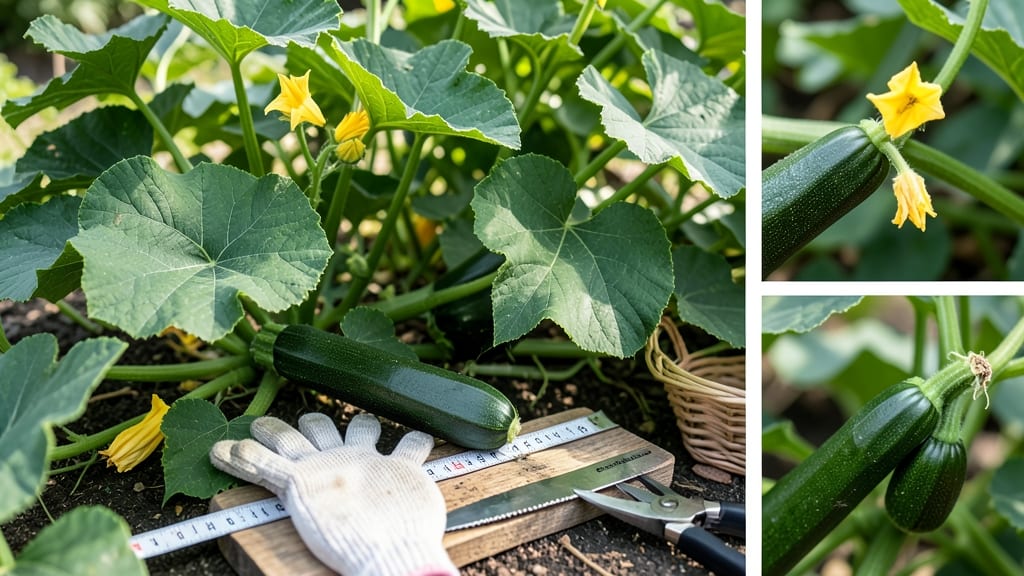
Knowing when to harvest squash 🎃 saves you from tough, seedy fruit or wasted garden space—and the secret lies in a few simple visual cues most gardeners overlook.
Picking squash at the wrong time means tough, seedy flesh or wasted effort—so knowing the exact moment to harvest can save your crop and your dinner plans.
Start with the thumbprint test: press your fingernail into the skin. If it leaves a dent that stays, that’s your cue. But don’t stop there—check the stem for dryness, inspect the seeds inside, and compare the color to your squash variety’s mature hue.
Below, I break down the three foolproof signs of perfect ripeness, how seasonal weather shifts your harvest window, and what to do if you miss the mark—because even the best gardeners sometimes get it wrong.
The thumbprint test & 3 other reliable ways to check squash ripeness
Mastering the art of harvesting squash means going beyond guesswork—because that 6-inch zucchini might still need 2 weeks to reach peak flavor. The thumbprint test is your first clue, but some varieties (like butternut squash) defy this rule.
Let’s break down 4 foolproof methods to nail the perfect harvest, so you avoid woody flesh or shriveled seeds.
Start with the thumbprint test, the gardener’s shortcut for summer squash like zucchini or yellow crookneck. Press your fingernail into the skin—if it leaves a permanent dent, it’s ready.
But here’s the catch: thick-skinned varieties (acorn, pumpkin) won’t dent, so skip this test for them. Always pair it with visual cues for accuracy.
How to Know When to Harvest Squash
-
1. Thumbprint Test
Press your fingernail into the squash skin—if it stays indented, it’s ripe. Works best for summer squash. -
2. Stem Separation
Gently twist the stem—it should pull away cleanly without resistance. A stubborn stem means more time on the vine. -
3. Seed Inspection
Cut open to check for plump seeds embedded in white pulp. Shriveled seeds = overripe. -
4. Color & Texture
Compare skin to the variety’s mature color (e.g., deep yellow for yellow squash). Skin should feel firm but not hard.
Don’t overlook the stem check, a game-changer for winter squash like butternut or pumpkins. Twist the stem gently—if it snaps off with a dry sound, your squash is ready.
A green, flexible stem means it needs more time. This method works even when the thumbprint test fails, making it my go-to for thick-skinned varieties.
For seed development, slice open a squash to peek inside. Plump, white seeds in a gelatinous pulp signal peak ripeness. Shriveled seeds or hollow centers mean you’ve waited too long. This is especially critical for heirloom varieties, where flavor and texture degrade faster than hybrid squash.
Lastly, skin color is your backup plan when other tests are inconclusive. Summer squash should be bright yellow, green, or cream (depending on the variety), while winter squash deepens to orange, tan, or deep green.
A dull, matte finish beats a glossy shine every time—it’s nature’s way of saying, “Pick me now!”
Timing matters more than you think. Harvest summer squash too early, and you’ll get watery, seedy flesh. Wait too long, and the skin turns woody. For winter squash, harvesting before full maturity means poor storage life, while overripe squash develops bitter flavors.
Use these methods together to avoid common mistakes and enjoy squash at its prime.
Pro tip: Morning harvests work best because squash absorbs less water from dew, keeping them fresher longer. Store summer squash in the fridge for up to a week, while winter squash thrives at room temperature for months—if you’ve nailed the ripeness.
When to harvest different squash types: summer vs. winter varieties
Harvesting squash at the wrong time can turn your bounty into a culinary disappointment—summer squash like zucchini becomes tough and seedy, while winter squash like butternut loses its storage potential. The key lies in understanding each type’s unique ripeness cues and growth timeline.
Summer varieties mature quickly, often in just 6–8 weeks, while winter squash can take 80–120 days to reach peak flavor and texture. Weather also plays a role: hot, dry spells can speed up ripening, while cool, wet conditions may delay it.
Don’t rely on size alone—color, skin texture, and stem changes are your best indicators. For example, a zucchini might be ready at 6 inches but still underripe if its skin isn’t firm and its seeds aren’t tiny.
Meanwhile, a butternut squash won’t store well if harvested before its skin hardens and its stem dries completely. Below, we break down the critical differences between summer and winter squash so you can time your harvest perfectly.
For summer squash, act fast—these varieties ripen in a flash and can quickly become overgrown and unpalatable. Check them every 2–3 days once they reach golf-ball size, using the thumbprint test: press your fingernail into the skin.
If it leaves a permanent dent, it’s ready. Pattypan squash is an exception; harvest when the ridges flatten and the skin loses its glossy sheen.
Winter squash demands more patience. These varieties need full maturity to develop their signature sweetness and storage potential. Butternut squash, for instance, should be harvested when its rind is too hard to puncture with your thumbnail and its stem detaches easily. If you’re unsure, wait—underripe winter squash won’t keep past a few weeks, while overripe squash loses flavor and becomes stringy.
Weather can throw off your harvest timeline, especially in unpredictable climates. A late summer heatwave might accelerate ripening, while early fall rains could delay it. Always monitor your squash daily in the final weeks of growth, adjusting your expectations based on temperature trends.
For example, if your acorn squash isn’t hardening by its expected harvest date, check for pests or disease, which can stunt development.
Pro tip: Use a sharp knife or pruning shears to harvest—never twist or pull the squash from the vine, as this can damage the plant. Leave 1–2 inches of stem attached to winter squash, as this helps the curing process, which extends shelf life.
Store summer squash in the fridge for up to a week, while winter squash can last 2–3 months in a cool, dark place like a basement.