
Trees
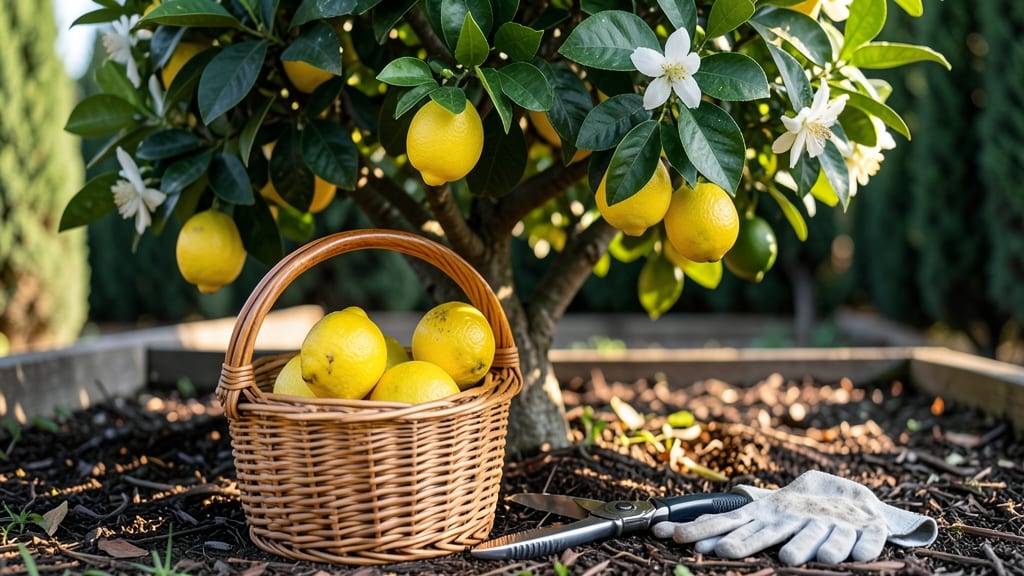
Mastering the lemon tree harvest time means the difference between tart perfection and bland disappointment 🍋 — and the key is knowing when those yellow gems are truly ripe.
Nothing beats the tangy burst of a homegrown lemon, but timing is everything. Picking too early means bland, underripe fruit, while waiting too long risks mealy texture or even overripe lemons dropping from the tree.
In Zone 9b and warmer climates, your harvest window stretches from spring through summer, but the best flavor comes when you spot those telltale signs: a deep yellow hue, a slight give when squeezed, and an easy twist from the stem.
Whether you're in a frost-free subtropical zone or a Mediterranean climate, the right harvest window ensures juicy, vibrant lemons that last months in your kitchen.
Below, I’ll break down the exact color, size, and firmness cues to watch for, plus how to adjust for regional variations so you never miss peak ripeness.
You’ll also discover how to extend your harvest season, avoid common mistakes that ruin flavor, and store your lemons for maximum freshness—so you can enjoy that homemade lemonade or zesty marinade all year long.

When to harvest lemon fruit for maximum flavor and ripeness
Timing your lemon harvest is an art that balances flavor intensity with fruit texture. Unlike some fruits that soften dramatically as they ripen, lemons reach peak flavor when they're firm but yielding—typically 120-180 days after flowering.
In Mediterranean climates, this often aligns with late winter to early spring, while subtropical zones may see year-round harvests with peak seasons in spring and fall.
Your lemon tree's location plays a crucial role. Trees in USDA Zones 9b-11 (like California or Florida) can produce fruit year-round, but spring varieties (like 'Eureka') tend to ripen first, followed by fall-bearing types (like 'Meyer').
Even in frost-free zones, cooler months often yield sweeter lemons due to slower growth and concentrated sugars.
| Harvest Indicator | Spring Varieties (Zone 9b+) | Fall Varieties (Zone 10+) | Mediterranean Climate |
|---|---|---|---|
| Color Change | Yellow (Jan-Feb) | Orange-yellow (Sept-Oct) | Yellow-green (Dec-Jan) |
| Firmness Test | Slight give (not mushy) | Firm but yielding | Firm with slight softness |
| Size Range | 2-3 inches diameter | 2.5-3.5 inches | 2-3.5 inches |
| Detachment | Twists easily | Gentle twist | Pulls with slight resistance |
| Climate Note | Cooler nights = sweeter | Warmer days = tangier | Dry season = peak flavor |
Start by checking the fruit's color. A ripe lemon will shift from bright green to yellow or yellow-orange, though some varieties (like 'Meyer') stay greenish-yellow. Press the lemon gently—it should feel firm but slightly yielding, like a ripe avocado.
If it's rock-hard, it's underripe; if it's mushy, it's overripe and past its prime.
Size matters too. Aim for lemons between 2-3.5 inches in diameter. Smaller ones may lack flavor, while oversized lemons often have seedy cores and mealy interiors.
In subtropical climates, you can harvest year-round, but the coolest months (December-February) typically produce the sweetest fruit due to slower growth and higher sugar concentration.
Don’t ignore the stem attachment. A ripe lemon should detach easily with a gentle twist—no force needed. If it resists, wait a few days. Pro tip: Harvest in the morning when temperatures are cooler.
This preserves flavor oils and reduces bruising. Store harvested lemons in a cool, dry place (like a shady porch) for up to 2 weeks before using.
Regional adjustments are key. In Mediterranean climates (like Southern California), lemons ripen in winter due to cooler nights. Meanwhile, Florida's subtropical zone sees spring and fall peaks. If you're in a warmer zone (like Arizona), your tree may produce fruit year-round, but flavor peaks during cooler months.
Watch for new blossoms after harvest—this signals your tree is ready for another cycle. Overripe lemons (those that fall off or feel mushy) should be used immediately in preserves or lemonade. Avoid harvesting during heatwaves, as extreme temperatures can stress the tree and reduce fruit quality.
For Meyer lemons, a popular sweet variety, harvest when they're greenish-yellow and slightly soft. These lemons ripen on the tree, so don’t wait for full yellow—early picking preserves their delicate sweetness. If you’re unsure, cut one open: the juice should be vibrant yellow, not pale or bitter-tasting.
Remember, patience pays off. A lemon picked too early will lack aromatic oils and taste bland, while one left too long becomes mealy and seedy. With practice, you’ll develop an eye for the perfect harvest window—turning your backyard into a citrus goldmine. 🍋
How long do harvested lemons last? Storage tips to extend freshness
Once you’ve harvested those perfect homegrown lemons, proper storage can extend their freshness from weeks to months. Unlike store-bought lemons, homegrown varieties often have thinner skins and richer flavors—making them more perishable if not cared for correctly.
The key lies in balancing humidity, temperature, and airflow to prevent spoilage while preserving that bright citrus zing.
Freshly picked lemons can last 1-2 weeks at room temperature if kept in a cool, dry place like a pantry. However, for long-term storage, refrigeration is your best friend. When stored properly in the fridge, lemons stay fresh for 4-6 weeks, sometimes even longer.
The colder environment slows down enzyme activity that causes spoilage, ensuring your lemons remain firm and flavorful for baking, juicing, or garnishing.
⚠️ PROS-CONS BOX: Lemon Storage Methods
Room Temperature Storage
Refrigerated Storage
Drying or Preserving
To maximize fridge life, store lemons in a perforated plastic bag or a ventilated container to allow airflow while preventing moisture buildup. Avoid sealing them in airtight containers—this traps humidity and accelerates spoilage.
Place them in the crisper drawer, where humidity levels are higher, to keep skins firm and vibrant.
Knowing when your lemons have gone past their prime is crucial. Overripe lemons develop a mealy texture, wrinkled skin, or a fermented smell. If the flesh feels mushy when squeezed or the lemon floats in water (a sign of internal decay), it’s time to compost them.
Fresh lemons should sink in water and feel heavy for their size—a telltale sign of juicy perfection.
For those who love long-term preservation, drying or making lemon curd are excellent options. Dried lemon peels can last up to a year in an airtight container, while fresh lemons stored in the freezer retain their juice quality for 6-12 months.
Just be sure to peel and segment them before freezing to avoid freezer burn on the skin.
Pro tip: If you’re storing lemons for flavor retention, keep them away from ethylene-producing fruits like apples or bananas. Ethylene gas speeds up ripening and spoilage, so store lemons separately in the fridge for the best results.
With these tips, your homegrown lemons will stay fresh and ready for your favorite recipes all season long! 🍋✂️🌱