
Trees
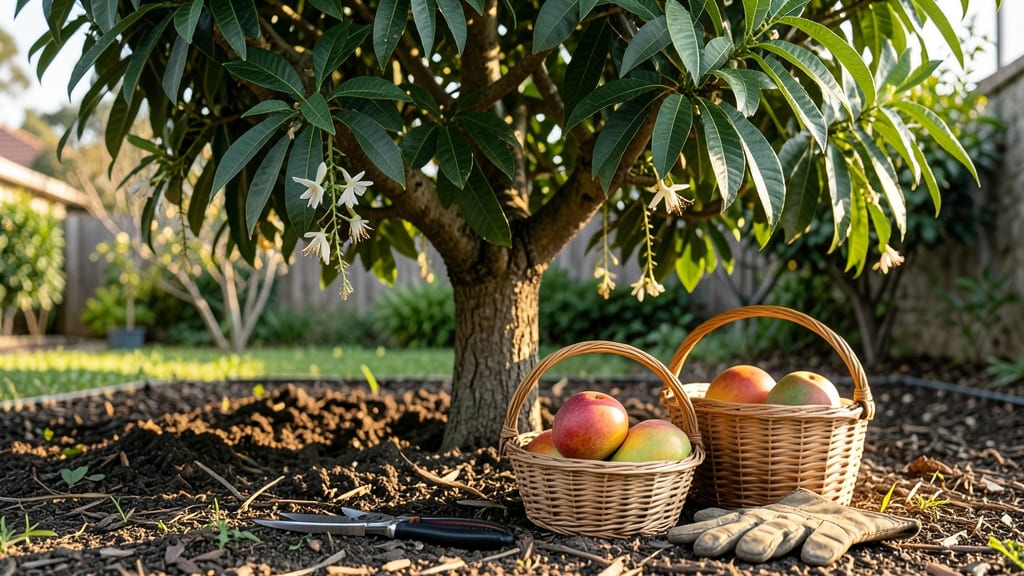
Knowing the exact mango tree harvest time means the difference between sweet, juicy fruit and bitter disappointment — and it all depends on your climate zone.
Picture this: you’ve waited years for your 🥭 to bear fruit, only to pick it too early and end up with a mealy, flavorless mess. Or worse, you miss the window entirely and watch the fruit drop to the ground.
The right timing isn’t just about months—it’s about color, scent, and even how the fruit feels when you press it.
In tropical zones like Florida or Hawaii, harvests stretch from April to August, while subtropical areas like California might see fruit ripen later. Even container-grown mangoes need special attention.
Below, I’ll break down the precise months for your zone, plus foolproof ways to test ripeness so you never miss the sweetest window again.
You’ll learn how to read the signs—from skin color shifts to the telltale "give" when you press the fruit—and avoid the three biggest mistakes that turn harvest day into a gamble. Let’s get started.


Mango tree harvest time by USDA climate zones (exact months)
Knowing the exact harvest window for your mango tree depends entirely on your USDA climate zone. In tropical zones (9-12), mangoes ripen year-round, while subtropical (8-10) and temperate (7 or below) regions have distinct seasons.
Even within zones, regional microclimates—like coastal California vs. inland Texas—shift timelines by 2-4 weeks. Let’s break down the peak harvest months for each zone so you never miss a juicy bite.
For USDA zones 9-12 (tropical), mangoes thrive year-round, but spring through summer (March-August) delivers the sweetest, most abundant harvest. In Hawaii, varieties like 'Haden' and 'Keitt' peak in May-July, while Florida's 'Carrie' and 'Kent' ripen from April to September.
California’s subtropical coastal zones (9-10), like San Diego, see 'Julie' mangoes ready in June-August.
In USDA zones 8-10 (subtropical), harvests align with warmer months, but frost risk in zone 8 shortens the season. Texas Hill Country (zone 8) gardeners pick 'Tommy Atkins' in June-July, while Southern California (zone 10) enjoys 'Ataulfo' from May to September.
Even in these zones, late-season varieties may linger until October if temperatures stay mild.
USDA zones 7 or below push mango trees to their limits—most varieties won’t fruit reliably, but container-grown dwarfs in protected microclimates (like southern Arizona) may produce 'Cogshall' mangoes in August-September. These trees need winter protection and early spring warmth to set fruit, delaying harvests until late summer.
| USDA Zone | Region | Peak Harvest Months | Varieties | Notes |
|---|---|---|---|---|
| 9-12 (Tropical) | Hawaii | May–July | Haden, Keitt | Year-round growth; peak in summer. |
| 9-12 (Tropical) | Florida | April–September | Carrie, Kent | Long season; coastal areas ripen earlier. |
| 8-10 (Subtropical) | California (Coastal) | June–August | Julie, Ataulfo | Cooler nights delay ripening. |
| 8-10 (Subtropical) | Texas (Hill Country) | June–July | Tommy Atkins | Heat spikes accelerate ripening. |
| 7 or Below (Temperate) | Southern Arizona (Containers) | August–September | Cogshall | Needs winter protection; limited yield. |
If you’re in zone 9-10, pay attention to local heat waves—they can push harvests 2-3 weeks early. For example, Phoenix, AZ (zone 10), often sees 'Ice Cream' mangoes ready by late June, while Miami, FL (zone 11
How to determine the perfect mango ripeness before harvest
Picking mangoes at the right time transforms your harvest from bland to breathtakingly sweet. Unlike many fruits, mangoes don't ripen well off the tree, so timing is everything. I've learned that mastering just three simple tests—visual, touch, and scent—can save you from bitter disappointment.
Let's dive into the secrets I use every harvest season to guarantee perfect ripeness.
First, observe the skin color. Most mango varieties transition from solid green to vibrant hues like yellow, orange, or red, depending on the cultivar. For example, 'Haden' mangoes develop a deep red blush, while 'Keitt' varieties turn golden-yellow.
Watch for these color shifts near the harvest window—they're your first clue that nature's clock is ticking.
⚠️ CALLOUT WARNING ⚠️
Don't wait until your mangoes are too soft or mushy—this means they've passed their prime! Overripe mangoes develop fermented flavors and bruise easily. The perfect harvest window is when fruit is firm but yielding, not rock-hard or squishy. Harvest too early, and you'll get mealy, underripe fruit that never sweetens properly.
Pro Tip: If you must harvest early, place mangoes in a paper bag with a banana to speed ripening naturally using ethylene gas.
Next, perform the thumb test—this is my favorite trick. Gently press the fruit near the stem with your thumb. Ready-to-pick mangoes will yield slightly (like a ripe avocado) but won't feel mushy. If the mango doesn't give at all, it needs more time on the tree.
Conversely, if it feels too soft or leaves an indentation, it's overripe. This test works best when combined with the color check.
Don't underestimate the power of scent—a ripe mango releases an intoxicatingly sweet aroma. Hold a mango close to your nose and sniff near the stem. If you detect a strong, fruity perfume, that's your green light.
Underripe mangoes smell neutral or slightly grassy, while overripe ones may have a fermented or alcoholic scent. This cue is especially useful for container-grown mangoes, where visual cues might be harder to spot.
For a final confirmation, try the tap test. Tap the mango lightly with your knuckles—it should sound dull and hollow, like knocking on a ripe melon. An unripe mango has a high-pitched, sharp sound, while an overripe one feels dead and hollow when tapped.
I've found this test particularly helpful for late-season harvests when mangoes ripen unevenly on the tree.
Remember, harvest timing varies by variety and climate. In USDA Zone 10-11, mangoes typically ripen from May to August, while cooler subtropical zones (like parts of California) may see harvests as late as September or October.
Always pick in the morning when temperatures are cooler to preserve quality. With these tests mastered, you'll never miss the sweetest mango season again! 🥭