
How To
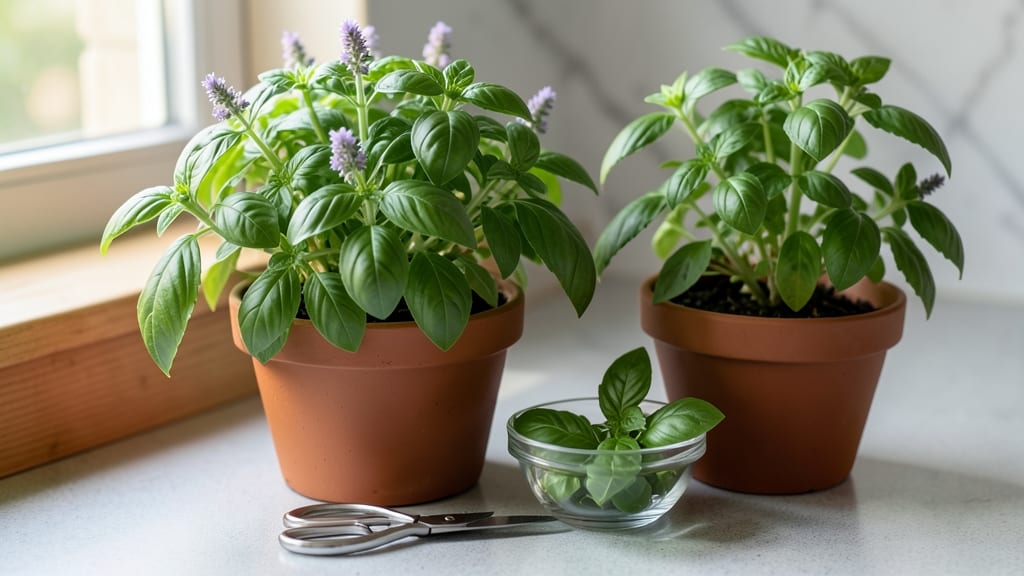
Harvesting basil the proper way means snapping stems at the right spot to keep your plant happy and your flavor strong 🌿 — and yes, there’s a trick to it.
If you’ve ever cut basil too low and watched your plant struggle to bounce back, you know how easy it is to ruin a good thing. The secret? A simple stem snap test that tells you exactly where to pinch for maximum regrowth and flavor. No guesswork, just science.
Timing matters too — harvesting at the right moment (morning, when oils are freshest) and avoiding over-pruning keeps your basil bushy and productive all season. Below, I’ll walk you through the exact steps, from the snap test to post-harvest care, so you never waste a leaf again.
Whether you’re a beginner or a seasoned gardener, these techniques will help you maximize your yield while keeping your basil tasting like summer, not like a sad, woody twig.

How to perform the basil stem snap test for perfect harvesting
Harvesting basil at the right time ensures maximum flavor and healthy regrowth. The stem snap test is my go-to method for determining when basil is ready to harvest.
This simple technique helps you avoid cutting stems that are too young or too old, which can lead to bitter leaves or stunted growth.
When done correctly, this test preserves your plant's vigor and encourages bushier growth. It’s especially useful for beginners who might struggle to identify the perfect harvest point. The key is understanding the maturity cues in the stems and leaves.
Before you begin, gather your tools: a sharp pair of scissors or pruning shears (cleaned with rubbing alcohol), and a small bowl for your harvest. The snap test itself requires no additional equipment—just your hands and a little patience.
The stem snap test works by assessing the stem’s flexibility and resilience. When basil stems are ready for harvest, they should snap cleanly when bent gently at a 45-degree angle. If the stem bends without breaking, it’s not yet mature enough.
Step-by-Step Guide to the Basil Stem Snap Test
- 1 Identify the stem: Choose a healthy stem with at least 4-6 leaves. Avoid stems that are flowering or have yellowed leaves.
- 2 Grasp the stem: Hold the stem about 1 inch below the top set of leaves. Use your thumb and index finger to pinch gently.
- 3 Bend at 45 degrees: Apply gentle pressure and bend the stem sideways. Listen for a clean snap—this indicates the stem is ready for harvest.
- 4 Check the break point: If the stem snaps cleanly, the break should be green and moist. If it’s dry or woody, wait 1-2 weeks before testing again.
- 5 Harvest the stem: Using your clean scissors, cut the stem at a 45-degree angle just above a leaf node (where leaves grow). This encourages new growth.
- 6 Repeat on other stems: Test and harvest 2-3 stems per plant to avoid over-stressing the basil. Leave at least half the plant intact for continued growth.
If the stem doesn’t snap but instead bends without breaking, it’s not yet mature. Wait 3-5 days and test again. Over-harvesting immature stems can lead to stunted growth or even plant death if too many stems are removed at once.
Once you’ve mastered the snap test, you’ll notice a difference in flavor. Basil harvested at the right maturity has bright, sweet notes, while over-mature stems taste bitter and woody. Always harvest in the morning when essential oils are at their peak.
After harvesting, rinse the leaves under cool water and pat them dry with a paper towel. Store them in a sealed container in the fridge for up to 5 days, or use them immediately in your favorite recipes.
The snap test isn’t just about harvesting—it’s about preserving your basil’s quality and ensuring your plant stays healthy for future harvests.
Pro tip: If your basil starts flowering, it’s a sign to harvest more aggressively. Flowering signals the plant is shifting energy from leaves to seeds, which reduces flavor. Pinch off flowers immediately to redirect energy back to leaf production.
With practice, the snap test becomes second nature. Soon, you’ll be able to harvest basil blindfolded—well, maybe not blindfolded, but you’ll know exactly when to cut without even thinking about it. Happy harvesting! 🌿
Best practices for harvesting basil without killing your plant
Harvesting basil too aggressively can stunt growth or trigger bitter flavors, but the right techniques ensure a bountiful harvest while keeping your plant healthy. The key lies in frequency, timing, and pruning—all designed to encourage bushier growth and prevent leggy stems.
I’ve learned that harvesting regularly (every 2-3 weeks) and using the right pruning methods can triple your yield compared to sporadic cuts.
Start by focusing on the top third of your basil plant, where the largest leaves grow. This method stimulates new growth lower on the stem, creating a fuller, more productive plant.
Avoid cutting into the woody stems—this signals the plant to stop producing leaves and start flowering, which ruins both flavor and texture. Instead, aim for the stem snap test to identify the perfect harvest point.
⚠️ Avoid These Harvesting Mistakes
Harvesting basil incorrectly can damage your plant. Here’s what to avoid:
- Cutting too much at once: Never remove more than 1/3 of the plant in a single harvest—this stresses the basil and reduces future yields.
- Harvesting from woody stems: Once stems turn hard or brown, the basil’s flavor declines, and regrowth becomes difficult.
- Ignoring morning harvests: Leaves harvested in the morning retain peak flavor and aroma compared to evening cuts.
- Skipping pruning: Without regular pruning, basil grows tall and leggy, producing fewer leaves and more flowers.
To encourage bushier growth, pinch off the top sets of leaves when your basil reaches about 6 inches tall. This technique redirects energy to side shoots, creating a denser plant.
For a more aggressive harvest, use thumb pruning: gently pinch off leaves with your thumb and forefinger, leaving a small stub. This method is gentler than cutting and reduces the risk of disease.
If your basil starts looking leggy or sparse, don’t panic. Revive it by pruning back the tallest stems to just above a set of leaves. Within 1-2 weeks, you’ll see fresh growth sprout from the sides.
For container-grown basil, rotate the pot every few days to ensure even sunlight exposure, which prevents uneven growth and maximizes yield.
Watering plays a crucial role too. After harvesting, give your basil a deep watering to replenish moisture lost during the process. Mulch around the base with straw or compost to retain soil moisture and reduce stress.
This simple step can make a huge difference in recovery time and overall plant health.
Finally, watch for signs of over-harvesting, like yellowing leaves or slow regrowth. If this happens, scale back to harvesting every 3-4 weeks and focus on leaf-by-leaf pruning until the plant recovers. With patience and the right techniques, your basil will reward you with abundant, flavorful leaves all season long.