
Picking
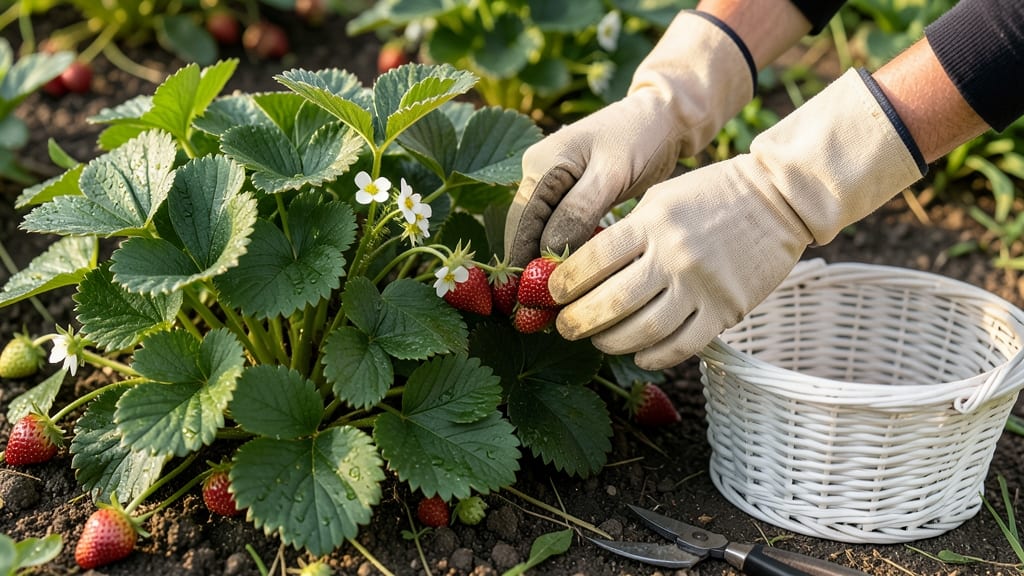
Your strawberry harvest season arrives with a flurry of bright red 🍓 perfection—but timing your picks wrong can mean missing the sweetest berries or even harming your plants.
Picture this: you rush to harvest a berry that’s still slightly green, only to discover it’s bland and mealy. Or worse, you overpick and leave your plants exhausted for next year’s crop. The right moment matters more than you think.
In USDA Zone 6a, where spring’s last frost lingers until mid-April, the ideal harvest window stretches from late June through July for spring-planted varieties. But regional differences mean Southern gardeners might enjoy berries as early as May, while cooler climates could extend into August with everbearing types.
Below, I’ll walk you through how to spot perfectly ripe strawberries, when to harvest for maximum flavor, and how to stretch your season—so you never miss a single juicy bite.


How to identify the perfect strawberry harvest season timeline
Timing your strawberry harvest correctly transforms your garden into a sweet treasure trove—but miss the window, and you risk bland, seedy berries. The perfect harvest season depends on color cues, plant firmness, and your USDA climate zone.
For example, June-bearing varieties peak in late spring to early summer, while everbearing types produce two harvests per year. Understanding these patterns ensures you never miss a juicy bite.
Your strawberry plants send clear signals when it's time to harvest. Watch for fully colored berries (red, white, or yellow, depending on the variety), a slightly soft texture when gently squeezed, and berries that pull away easily from the plant.
These visual and tactile cues are your green thumb's best friends. Ignoring them can lead to underripe fruit that lacks flavor or overripe berries that spoil quickly.
Regional climate plays a huge role in your harvest timeline. Gardeners in USDA zones 3-5 (like Minnesota or Maine) enjoy a short summer harvest from June to July, while zones 7-10 (such as California or Florida) can harvest year-round with proper care.
Even within the same zone, microclimates—like a sunny hillside versus a shady valley—can shift your harvest by 2-4 weeks. Always adjust expectations based on your local frost dates.
🌱
| Seasonal Stage | Northern Hemisphere (USDA 3-10) | Southern Hemisphere (USDA 3-10) | Key Indicators |
|---|---|---|---|
| Early Bloom | March-April (Zones 7-10) May-June (Zones 3-6) |
September-October | White flowers appear; berries form |
| Peak Harvest | June-July (June-bearing) May-October (Everbearing) |
January-February (June-bearing) November-April (Everbearing) |
Fully red, slightly soft, easy to pluck |
| Late Harvest | August-September (Everbearing) | May-June (Everbearing) | Smaller berries; leaves yellowing |
| Dormancy Prep | October-November (Zones 3-6) | July-August | Foliage dies back; no new growth |
Your strawberry variety dictates the harvest window more than anything else. June-bearing types (like Jewel or Chandler) produce one massive crop in late spring to early summer, while everbearing varieties (such as Seascape) give you two smaller harvests: one in spring and another in fall. Day-neutral types (like Albion) keep producing as long as conditions are right, making them ideal for extended harvests in warmer climates.
Don’t rely solely on the calendar—your strawberry plants will tell you when it’s time. A ripe berry should be fully colored, plump but yielding slightly when pressed, and detach easily from the stem. If you pull and the berry stays attached, it’s not ready yet.
Overripe berries bruise easily and develop gray mold, so check your plants every 2-3 days during peak season. Pro tip: Harvest in the morning when berries are coolest and sweetest.
Climate zone matters, but so does your local microclimate. A south-facing slope warms up faster in spring, potentially shifting your harvest 2-3 weeks earlier than a shady valley.
Pay attention to frost dates: in USDA zone 5, a late frost in May could delay your harvest by weeks, while zone 10 gardeners might enjoy year-round picking with proper shade and irrigation.
Always start harvesting when 50% of berries show ripeness cues—this ensures you get the full crop.
Extending your harvest season is easier than you think.
Use black plastic mulch in early spring to warm the soil and jumpstart growth, or apply shade cloth in summer to prevent heat stress and prolong fruiting. Succession planting (adding new plants every 2-3 weeks) can give you a continuous harvest from spring to fall.
Even in cold climates, everbearing varieties can produce a fall crop if given enough sunlight and protection from early frosts.
One common mistake? Harvesting too aggressively. Overpicking stresses plants and reduces next year’s yield. Always leave some berries to mature naturally—they’ll seed for future crops. And never cut the berry stem; twist gently to avoid damaging the plant.
If you’re unsure whether a berry is ripe, wait 24 hours. Patience pays off with sweeter, juicier strawberries every time.
🍓
Strawberry picking techniques to maximize sweetness and plant health
Timing your strawberry harvest is an art that balances sweetness with plant health. Picking at the wrong time—whether too early or too often—can leave you with bland fruit and stressed plants.
The best time to harvest is when berries are fully colored, slightly soft, and easily detached. But there's more to it than just waiting for red fruit!
Morning is the ideal time to pick strawberries because the fruit is cooler and more flavorful. Avoid harvesting in the evening when berries may be warmer and more prone to bruising. Always use clean tools or your hands to prevent spreading disease between plants.
When it comes to harvesting methods, twisting the berry gently from its stem is best. Cutting the stem too short can leave the plant vulnerable to rot. If you must use scissors, leave a small portion of the stem attached to help the plant recover faster.
⚠️ Warning: Common Mistakes That Ruin Your Strawberry Plants
Overpicking can stress your plants and reduce next year's yield. Never harvest more than one-third of ripe berries at once. Also, avoid picking strawberries when they're wet—this spreads fungal diseases like gray mold. Always harvest on dry mornings for the best results.
Frequency matters just as much as timing. For June-bearing varieties, harvest every 2-3 days during peak season to prevent overripe fruit from spoiling. Everbearing and day-neutral types can handle slightly more frequent picking, but never strip the plant bare. Leave a few berries to mature naturally for future pollination.
Watch for signs your plants are overstressed, like yellowing leaves or stunted growth. If you notice these, reduce harvesting frequency immediately. Mulching around plants with straw can help retain moisture and protect roots, giving your strawberries a fighting chance even during heavy picking seasons.
After harvesting, store berries in the fridge for up to 3 days to preserve freshness. Never wash them until ready to eat—excess moisture speeds up spoilage. For long-term storage, freeze whole berries or make jam to enjoy your harvest all year round.
With these techniques, you'll enjoy sweeter strawberries and healthier plants for seasons to come. Happy picking! 🍓