
Vegetables
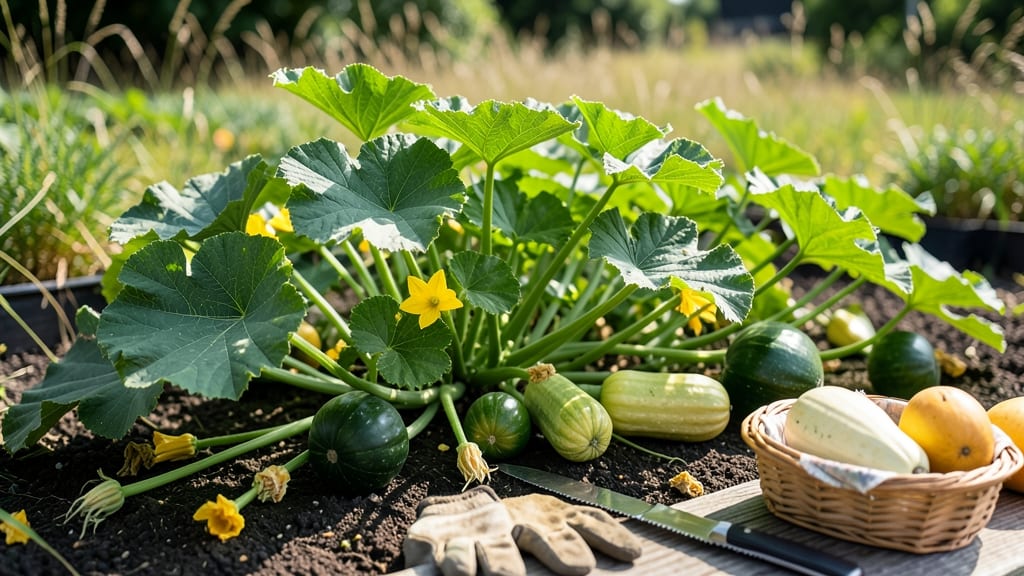
Harvesting summer squash at the right time turns bland produce into a garden-fresh explosion of flavor—so why are so many gardeners missing the sweet spot?
Picture this: you’ve nurtured your 🎃 summer squash all season, but the moment you cut into it, the taste falls flat. Too early, and the seeds are tiny and bitter; too late, and the flesh turns tough.
The key? Knowing the exact signs—size, color, and texture—that signal peak ripeness, not just when the squash looks "big enough."
In this guide, I’ll walk you through the three foolproof indicators to pick summer squash at its best, plus how to avoid the most common mistakes that ruin flavor.
Whether you’re growing zucchini, pattypan, or thumbprint varieties, these tips will ensure every harvest delivers that burst of sweetness you’ve been waiting for.
Ready to transform your garden’s yield? Let’s dive into the best practices for harvesting summer squash—so you never waste another bite of underripe or overgrown produce again.
How to determine summer squash harvest time by size, color, and texture
Timing your summer squash harvest perfectly is the secret to unlocking that bursting sweetness and tender texture we all crave. Too early, and you’ll get bitter, underdeveloped squash—too late, and it turns woody and seedy.
The key lies in mastering three simple indicators: size, color, and texture, which vary slightly by variety. Let’s break down what to look for in your garden this summer.
Most gardeners focus only on size as their harvest cue, but that’s a missed opportunity. For example, a zucchini harvested at 6 inches might still be too small for peak flavor, while a thumbprint squash left too long on the vine becomes tough and mealy.
Understanding these variety-specific signals ensures every harvest delivers restaurant-quality results at home.
| Variety | Ideal Harvest Size | Color Indicators | Texture Check | Flavor Risk if Harvested Too Late |
|---|---|---|---|---|
| Zucchini | 6-8 inches long | Deep green, glossy skin | Firm with slight give | Woody, seedy, bitter |
| Thumbprint | 4-6 inches diameter | Yellow or cream, uniform | Skin resists gentle squeeze | Starchy, dull flavor |
| Pattypan | 3-4 inches wide | Scalloped edges, bright color | Smooth, taut skin | Tough, fibrous texture |
| Yellow Crookneck | 7-9 inches long | Golden-yellow, creamy | Firm with slight flexibility | Bland, watery interior |
Start by examining the stem end of your squash—this is your first clue. When the yellow stem turns brown and begins to dry slightly, it’s a sign the squash is nearing harvest.
Ignore this, and you’ll miss the sweetest window, which typically lasts just 2-3 days. For zucchini varieties, this brown stem appears when the squash reaches 6-8 inches in length.
Next, check the skin color. Mature summer squash develops a vibrant, uniform hue—whether deep green for zucchini or bright yellow for crookneck. Dull or patchy coloring means it’s overripe or stressed.
For thumbprint squash, the skin should be smooth and free of blemishes, indicating optimal ripeness. A quick way to test is to gently press your thumbnail into the skin—it should leave a slight indentation but not dent deeply.
Texture is where many gardeners go wrong. A perfectly ripe summer squash has a firm yet slightly yielding feel—like pressing your thumb into a ripe avocado. If it feels soft or mushy, it’s past its prime.
For pattypan squash, the scalloped edges should remain crisp and resilient to gentle pressure. The two-finger test works well here: pinch the squash gently—if it feels springy but not hard, it’s ready to harvest.
Don’t overlook the flower cues either. Summer squash grows from female flowers, which have a tiny squash at the base. Once the flower blooms and wilts, count 7-10 days until harvest time.
This method works best for zucchini and yellow crookneck varieties, where the bloom-to-harvest window is more predictable. For thumbprint squash, this window narrows to 5-7 days after flowering.
Harvesting too early is almost as bad as waiting too long. Squash picked before full maturity often tastes bitter and undercooked, while those left too long develop hard seeds and fibrous flesh.
The best time to harvest is in the morning after dew has dried, when the squash is cool and crisp. Use a sharp knife or pruning shears to cut the stem, leaving a 1-inch stem attached to preserve freshness.
Pro tip: Check your squash every 2-3 days during peak production. Summer squash can go from perfectly ripe to overripe in just 48 hours, so frequent monitoring pays off.
Store harvested squash in a cool, dry place (not the fridge) for up to a week, but use them as soon as possible for the best flavor and texture.
Remember, the earlier you harvest, the longer your plant will produce. Removing ripe squash encourages the vine to focus energy on new flowers rather than over-maturing existing fruit.
Best practices for harvesting summer squash to maximize yield and flavor
Timing your summer squash harvest isn't just about size—it's about capturing that peak sweetness and tender texture before the plant shifts its energy. I've learned the hard way that harvesting at the wrong time turns my zucchini into tough, seedy disappointments.
The key? A combination of morning harvests, the right tools, and regular checks to avoid overgrowth.
Most gardeners focus only on the 4-6 inch rule, but the real magic happens when you combine size with color cues and the two-finger test. For example, my thumbprint squash reaches perfect flavor when the skin turns a deep yellow with just a hint of glossiness.
Ignoring these details means missing out on the burst of flavor that makes summer gardening worth the effort.
Frequency matters just as much as timing. I harvest my summer squash every 2-3 days during peak production to encourage more flowers—and thus more squash—to develop. Skipping harvests leads to overcrowded vines, which stresses the plant and reduces yield.
Pro tip: Use a harvest basket with ice packs to keep squash cool until you can process them.
One common mistake I see is harvesting by size alone, which ignores the plant's natural rhythm. For example, my pattypan squash might reach 4 inches but still taste bland if the skin hasn't fully hardened.
Always pair size checks with a visual inspection of color and texture. Another trick? Harvest the largest squash first—this prevents them from stealing nutrients from developing flowers.
If your squash develops bitter notes or large seeds, it's a clear sign you waited too long. To salvage these, I've found that grilling or roasting them caramelizes the natural sugars, masking the bitterness.
But prevention is better—aim to harvest when the stem end turns brown, a sure sign of maturity without overripeness.
Remember, summer squash are heavy producers, so stay on top of harvests to keep your plants happy. The more you pick, the more they'll give—just don't let any squash grow beyond 8 inches, or you'll be dealing with tough, seedy monsters instead of tender delights.
With these practices, you'll enjoy a continuous harvest of sweet, flavorful squash all season long. 🎃