
How To
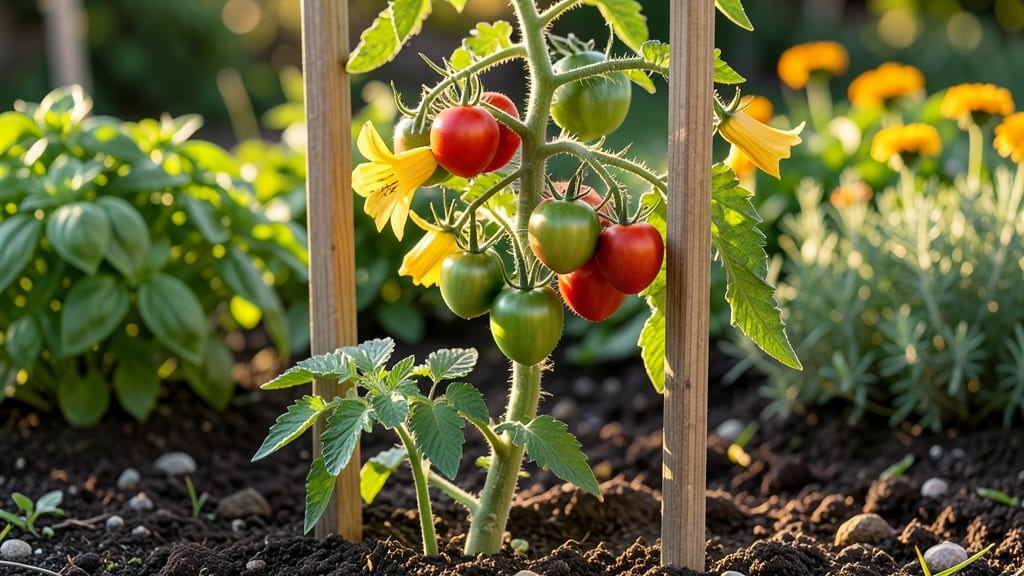
From tomato seed to harvest time depends on the variety you’re growing — some take as few as 60 days, while others stretch to 90 days or more before you can bite into that first ripe 🍅.
Wondering how long it takes for your tomato seeds to turn into juicy, vine-ripened fruits? The answer depends entirely on the variety—and getting it wrong could mean waiting months longer than necessary.
In USDA Zone 6a, where spring planting kicks off in April, timing is everything. A cherry tomato might reward you with fruit by July, while a heirloom beefsteak could linger until September. The difference isn’t just in patience—it’s in soil prep, sunlight, and even the moon phase (yes, really).
Here’s how to track each stage—from the first sprout to that perfect red blush—and shave weeks off your wait with proven shortcuts that actually work.

Tomato seed to harvest time: exact growth days by variety type
If you've ever planted tomato seeds with high hopes only to stare at your garden for months wondering, "When will these finally ripen?"—you're not alone. The time from seed to harvest varies wildly by variety, and climate plays a huge role.
Knowing your tomato's days-to-maturity helps you plan planting dates, succession crops, and even greenhouse schedules. Let's break down the exact timelines for the most popular types so you can predict your harvest like a pro.
Most tomato varieties are labeled with days-to-maturity on their seed packets, but these numbers assume ideal conditions. In cooler climates, your 60-day cherry tomato might take 75 days or more, while a 90-day beefsteak in Florida could ripen in just 70 days.
Understanding these variations means the difference between a summer of fresh tomatoes and a season of disappointment.
🌱
| Variety Type | Days to Maturity (Ideal) | Cool Climate Adjustment | Warm Climate Adjustment | Best For |
|---|---|---|---|---|
| Cherry Tomatoes (e.g., 'Sweet 100', 'Sun Gold') | 55-65 days | +10-15 days | -5-10 days | Containers, snacking, early harvests |
| Heirloom Tomatoes (e.g., 'Brandywine', 'Cherokee Purple') | 75-90 days | +15-20 days | -10-15 days | Flavor, slicing, long seasons |
| Beefsteak Tomatoes (e.g., 'Big Beef', 'Brandywine') | 80-95 days | +20-25 days | -10-15 days | Sandwiches, sauces, large yields |
| Hybrid Tomatoes (e.g., 'Celebrity', 'Early Girl') | 60-75 days | +10-15 days | -5-10 days | Reliability, disease resistance |
| Dwarf/Determinate (e.g., 'Tiny Tim', 'Patio') | 60-70 days | +10-12 days | -5-8 days | Containers, small spaces |
| Indeterminate (Vining) (e.g., 'Sungold', 'Black Krim') | 70-100+ days | +15-25 days | -10-20 days | Long harvests, trellising |
Cherry tomatoes like 'Sweet 100' are the fastest producers, often ready in 55-65 days under ideal conditions. That means if you plant them in late spring, you could be harvesting by early summer.
But in Zone 5 or cooler, those same seeds might need 70-80 days to mature, so plan accordingly. Heirlooms and beefsteaks take longer—75-95 days—because they focus on flavor and size over speed.
Hybrids like 'Early Girl' bridge the gap with 60-75 days to maturity, making them perfect for short-season gardens. Meanwhile, indeterminate varieties (like 'Sungold') can produce fruit for months if given the right conditions, but their initial maturity timeline is longer—70-100+ days.
The key is to adjust your planting date based on your last frost date and local climate.
For example, if your last frost is April 15 and you're growing 'Brandywine' (a 90-day heirloom), you'll need to start seeds indoors by March 1 to hit harvest by July 15.
In Zone 10, you could plant those same seeds outdoors in February and harvest by May. The climate adjustment in the table above accounts for these regional differences.
One common mistake is ignoring the days-to-maturity label and planting too late. If you're in a cool climate, add 10-25 days to the listed time—especially for heirlooms and beefsteaks.
Conversely, in hot climates, tomatoes can mature 10-20 days faster due to longer daylight and warmer soil. Always check your
Critical growth stages that determine your harvest timeline
Understanding the critical growth stages of your tomato plants is the secret to predicting your harvest date with precision. Each stage—from the first sprout to the ripe fruit—has specific timeframes that vary by variety.
Missing a milestone can delay your harvest by weeks, so tracking these stages is essential for planning your garden's productivity.
I've grown tomatoes for over a decade, and I can tell you: the difference between a 60-day cherry tomato and a 90-day beefsteak isn't just about patience—it's about knowing exactly what to expect at each phase.
Let's break down the four key stages that determine your harvest timeline and how to track them like a pro.
-
1
Germination (5-14 days)
Sprouts appear when soil stays 70-80°F. Use a heat mat if your home is cool. Patience here prevents weak seedlings. -
2
True Leaf Stage (14-21 days)
First true leaves (not seed leaves) signal readiness for transplant. Harden off seedlings for 7-10 days before moving outdoors. -
3
Flowering (30-45 days)
Yellow tomato flowers appear when plants get 6+ hours of sun. Remove suckers to focus energy on fruit development. -
4
Fruiting (45-90 days)
Fruits set when flowers pollinate. Color change marks final stage—harvest when firm and vibrant.
One common mistake I see is assuming all tomatoes follow the same timeline. Cherry tomatoes might flower in just 30 days, while heirloom varieties can take 90 days or more.
Tracking these stages helps you adjust care—like increasing phosphorus-rich fertilizer during flowering or ensuring consistent watering during fruiting—to avoid delays.
Temperature plays a huge role too. Cool nights below 55°F can stall flowering, while heatwaves above 90°F cause blossom drop. I once had a Brandywine tomato crop delayed by two weeks because of unexpected cold snaps. Learn to protect your plants with row covers or shade cloth during sensitive stages.
Use a garden journal to log each stage's start and end dates. Over time, you'll spot patterns in your climate and adjust planting times to hit peak harvest windows. For example, if your area has short summers, prioritize early-maturing varieties like 'Early Girl' (55 days) over slower growers.
Remember: the key to predicting harvest dates isn't just counting days—it's observing your plants and responding to their needs at each milestone. With practice, you'll harvest tomatoes that are riper, sweeter, and more abundant than ever before.