
Vegetables
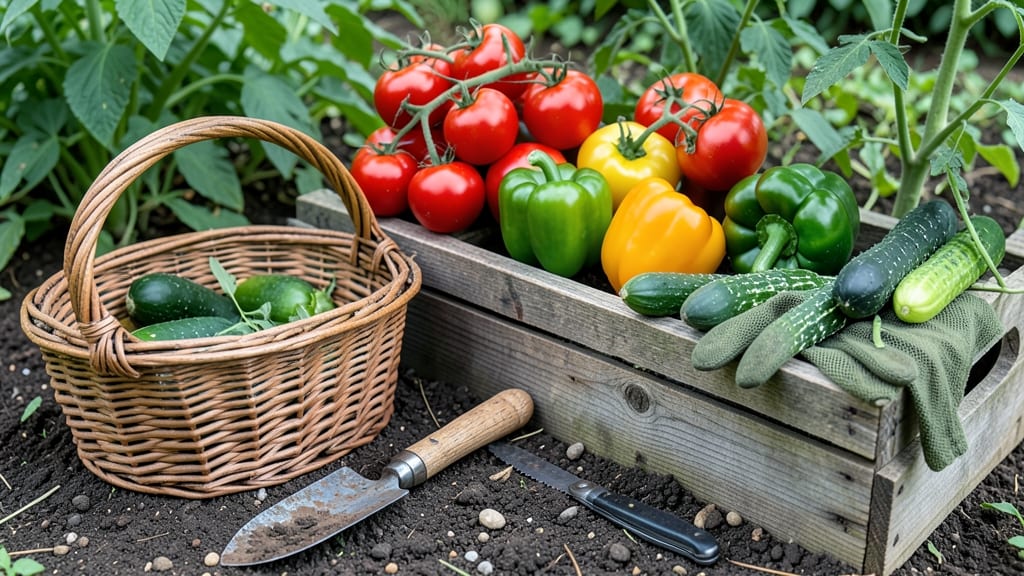
Knowing the exact vegetable harvest times 🥕 can turn a garden full of potential into a kitchen full of flavor—if you time it right.
Picture this: you’ve spent all season nurturing your plants, only to pull a tomato that tastes bland or a carrot that’s woody. That’s the difference between a harvest that wows and one that goes to waste.
The key? Picking at the perfect moment, when flavor peaks and texture is just right.
Not all veggies follow the same schedule—leafy greens, root crops, and fruiting plants each have their own cues. Some need to be harvested young for tenderness, while others reach their sweetest when fully ripe. And let’s not forget how climate and even the time of day can shift those windows.
Below, I’ll break down the ideal harvest times for your top crops, how to spot the perfect moment to pick, and pro tips to stretch your harvest—so you’re eating homegrown goodness long after the garden’s done for the year.

Optimal harvest times for common vegetables by category
Harvesting vegetables at the right time transforms your garden into a flavor powerhouse. Leafy greens, root vegetables, fruits, and legumes all have unique cues—like color shifts, size thresholds, or texture changes—that signal peak ripeness.
Ignoring these signs can lead to bitter flavors, tough textures, or even wasted produce. For example, harvesting lettuce too late turns crisp leaves into bitter bolts, while tomatoes left on the vine past their prime become mealy and bland.
Timing also affects storage life. Root vegetables like carrots and beets store best when harvested before the first frost, while squash and potatoes need full maturity to develop their natural sugars. Understanding these categories helps you plan your garden layout, succession plantings, and even post-harvest storage strategies.
Below, we break down the harvest windows for each group, complete with visual and tactile cues to ensure you never miss the perfect moment.
| Vegetable | Category | Harvest Time | Size/Color Cues | Texture/Tactile |
|---|---|---|---|---|
| Lettuce | Leafy Greens | 45–60 days | Dark green leaves, 6–8" tall | Crisp, firm leaves |
| Spinach | Leafy Greens | 30–50 days | Bright green, 6–12" tall | Tender, non-fibrous |
| Carrots | Root Vegetables | 60–80 days | 1–2" diameter, vibrant orange | Firm, snaps when pulled |
| Tomatoes | Fruits | 60–90 days | Deep red (or variety-specific color), 2–4" diameter | Slightly soft when squeezed |
| Green Beans | Legumes | 50–60 days | 4–6" long, bright green | Crunchy, snaps easily |
| Potatoes | Root Vegetables | 90–120 days | 2–3" diameter, skin matches variety | Firm, no green spots |
| Peppers | Fruits | 60–90 days | Full color (red, yellow, etc.), 3–4" long | Slightly glossy, firm |
| Radishes | Root Vegetables | 25–30 days | 1–2" diameter, bright color | Crisp, tender |
| Zucchini | Fruits | 45–55 days | 6–8" long, dark green | Smooth skin, firm |
| Kale | Leafy Greens | 50–70 days | Dark blue-green, curly leaves | Tender stems, crisp leaves |
Leafy greens like lettuce and spinach are best harvested when young and tender. For lettuce, aim for 6–8 inches tall with dark green leaves—harvesting outer leaves first encourages regrowth. Spinach should be picked when leaves are bright green and 6–12 inches tall, but avoid letting it bolt (develop flower stalks), which makes it bitter. Use clean, sharp scissors to cut leaves just above the soil line, leaving the base intact for continued growth.
Root vegetables like carrots and beets require patience. Carrots are ready when they reach 1–2 inches in diameter and have a vibrant orange hue. Pull them gently—if they resist, they’re not ready. Beets should be 2–3 inches wide with smooth, glossy skins. Harvest in the morning when soil is moist to avoid breaking roots. For potatoes, wait until the v
How to tell when vegetables are perfectly ripe (not over or under)
Knowing when to harvest your vegetables makes all the difference between a burst of flavor and a bitter disappointment. Many gardeners struggle with timing—picking too early means underdeveloped taste, while waiting too long can lead to overripe, mushy, or even inedible produce.
The key lies in combining visual cues, texture tests, and sometimes even smell signals to determine peak ripeness.
Different vegetables have unique indicators for harvest readiness. For example, tomatoes should yield slightly when gently squeezed, while carrots are best pulled when their shoulders are visible above the soil.
Understanding these signals helps you avoid common mistakes like harvesting green tomatoes too early or leaving cucumbers on the vine until they turn yellow and rubbery. Let’s break down the essential techniques to master perfect harvest timing.
⚠️ Watch Out for These Harvest Mistakes!
- Harvesting too early: Vegetables like zucchini or peppers won’t reach their full flavor potential.
- Ignoring climate zones: Cool-season crops (e.g., lettuce) may bolt or turn bitter in hot weather.
- Overlooking texture: Soft spots on tomatoes or melons signal overripeness.
- Pulling root veggies too late: Carrots or beets can split or develop woody cores.
Adjust your harvest timing based on your local climate—warmer zones may need earlier harvesting for heat-sensitive crops.
Start by examining the color of your vegetables. Many fruits, like tomatoes, peppers, and squash, develop vibrant hues when ripe. For instance, a red tomato should be fully colored, while a green pepper transitions from green to red or yellow.
However, don’t rely solely on color—some varieties, like heirloom tomatoes, may stay green even when ripe. Always pair color with other cues, such as size and firmness.
Next, use your sense of touch to gauge ripeness. Gently press the vegetable—it should yield slightly but not feel mushy. For example, a ripe cucumber will have a slight give, while an overripe one will be soft and seedy.
Similarly, green beans should snap easily when bent, and peaches should give just a little near the stem. If the vegetable feels rock-hard or squishy, it’s not ready yet. This tactile check is especially useful for fruiting vegetables like tomatoes and peppers.
Don’t underestimate the power of your nose! Some vegetables, like melons and corn, release a sweet or fragrant aroma when ripe. A ripe cantaloupe, for example, will have a strong, sweet smell near its stem.
Even leafy greens can offer clues—basil or cilantro may develop a more pronounced scent as they mature. If your vegetable lacks a distinct aroma, it might need more time on the vine.
Finally, consider the plant’s natural signals. For root vegetables like carrots or radishes, watch for the shoulders emerging from the soil. For leafy greens such as spinach or kale, harvest outer leaves when they reach full size, allowing the inner leaves to keep growing.
Even flowers can indicate ripeness—when tomato flowers fall off, it’s a sign the fruit is nearing maturity. Paying attention to these subtle cues ensures you harvest at the perfect moment.
With these techniques, you’ll never guess when to pick your vegetables again. Mastering the art of harvest timing not only improves flavor but also extends the life of your produce and maximizes your garden’s potential. Happy harvesting! 🌱