
Planting
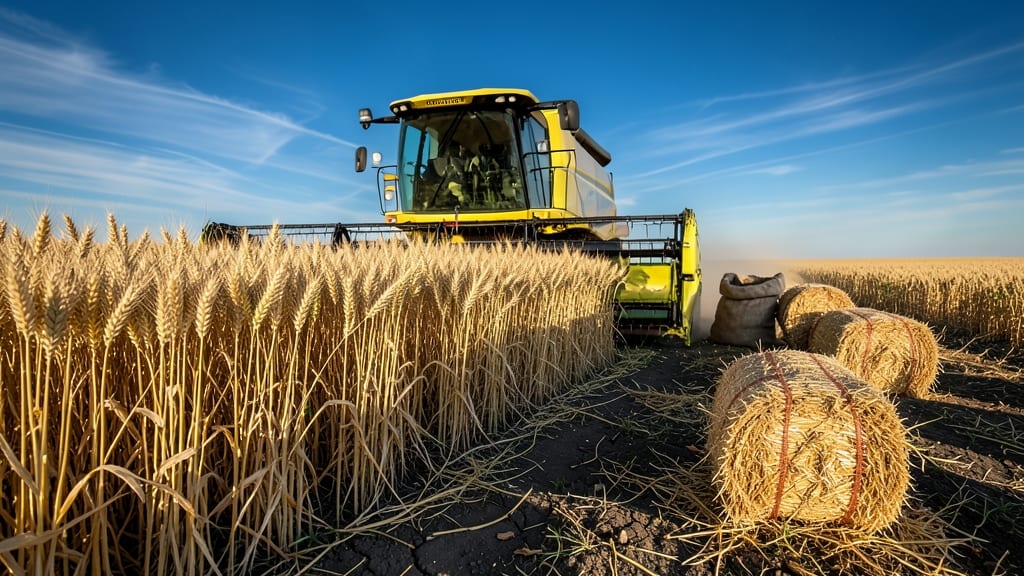
The wheat harvest season determines whether your crop ends up as high-quality flour or a loss in the field — and timing it right means the difference between golden grain and wasted effort.
Picture this: you’ve nurtured your wheat 🌾 all season, only to rush harvest too early and end up with damp, sprouting kernels — or wait too long and lose yield to wind and rain.
The exact window varies by region, but missing it by even a week can ruin months of hard work.
From the Pacific Northwest’s late-August harvests to the Midwest’s peak in early September, each growing zone has its own rhythm. Soil moisture, plant maturity, and weather all play a role, but the key is knowing when those golden heads are ready to cut.
Below, I’ll break down the exact harvest dates by region, how to spot the perfect moment to harvest, and what to watch for to avoid common pitfalls — so you can turn your field into flour, not frustration.

Wheat harvest season dates by major U.s. growing regions
Timing your wheat harvest is crucial for achieving optimal grain quality and yield. Across the U.S., regional climates create distinct harvest windows that can vary by 2-4 weeks. Understanding these variations helps you prepare equipment, monitor crop maturity, and avoid weather-related delays that could spoil your harvest.
Let's break down the ideal harvest seasons for the four major wheat-growing regions in the U.S.
Each region experiences unique weather patterns that directly impact when wheat reaches peak maturity. For example, the Pacific Northwest often harvests earlier due to cooler temperatures, while the Southern Plains may extend their season thanks to warmer climates.
Knowing these patterns allows you to adjust planting schedules and anticipate harvest timing with precision.
Here's a detailed summary of harvest windows by region, including key indicators to watch for when determining if your wheat is ready for harvest:
The Pacific Northwest typically harvests first in late July due to its cooler climate, which slows wheat maturation. This region often grows soft white wheat varieties that mature earlier than hard red varieties found in the Midwest.
If you're growing wheat in this area, be prepared to harvest by early August to avoid potential rain delays that can increase grain moisture levels.
In the Midwest, particularly in Kansas and Nebraska, the harvest season peaks in mid-August through early September. This region is famous for its hard red winter wheat, which thrives in the area's climate.
The key to successful harvest here is monitoring stem brittleness and seed moisture levels, which should ideally be between 12-14% for optimal storage quality.
The Southern Plains, including Texas and Oklahoma, often enjoy a slightly extended harvest season that runs from late August to mid-September. The warmer climate allows for later planting and longer growing periods, which can be advantageous for wheat varieties that require more heat to mature.
However, this region must also watch for late-season rainfall, which can lead to higher grain moisture and potential spoilage risks.
For those in the Northern Plains, including North Dakota and Montana, the harvest window is typically the shortest, occurring from early to late August. The short growing season demands precise planting times and careful monitoring of crop maturity.
In these regions, wheat varieties with shorter maturation periods are often preferred to ensure they reach harvest before the first frost arrives in late September.
Regional variations aren't the only factors to consider when planning your wheat harvest. Local weather patterns can shift these windows by 1-3 weeks in either direction.
For example, an unusually warm spring might accelerate maturity in cooler regions, while unexpected rain in the Midwest could delay harvest by increasing grain moisture levels. Always stay vigilant and monitor your crop's progress closely.
Understanding these regional patterns allows you to plan your harvest logistics more effectively. Whether you're preparing storage facilities, scheduling equipment, or coordinating labor, knowing the approximate harvest window for your specific region helps you avoid last-minute scrambles.
Additionally, being aware of these variations can help you choose the right wheat varieties suited to your local climate and growing season.
For small-scale growers, timing your harvest correctly also impacts post-harvest processing. Wheat harvested at the right moisture level will dry more efficiently and store better, reducing the risk of spoilage or pest infestations.
By aligning your harvest with the regional windows outlined above, you'll be well on your way to achieving a successful and high-quality wheat harvest.
🌾
How to determine your local wheat harvest window
Determining the perfect wheat harvest window for your location requires paying close attention to your plants and local climate patterns. Unlike many crops, wheat doesn't have a single "one-size-fits-all" harvest date—it varies by region, variety, and growing conditions.
The key lies in combining visual maturity cues with environmental factors to pinpoint the ideal moment.
Start by understanding that wheat typically reaches harvest readiness 90-150 days after planting, but this timeline shifts dramatically based on your hardiness zone. For example, Northern climates may see harvests in late July, while Southern regions might extend into September.
The difference comes down to temperature accumulation and daylight hours, both of which vary by location.
- 🔹 Node Count: Count 7-9 visible nodes (joints) on the main stem—this signals physiological maturity.
- 🔹 Flag Leaf Color: The topmost leaf (flag leaf) should turn yellow-brown and begin drying from the edges.
- 🔹 Grain Color: Heads should be fully golden-yellow (not green or white) with hard, dry seeds that rattle when shaken.
- 🔹 Moisture Test: Cut a stem—if the moisture content drops below 14%, it's harvest-ready (use a moisture meter for precision).
- 🔹 Weather Window: Harvest during dry, calm conditions (3-5 days of low humidity) to prevent mold and spoilage.
One of the most reliable methods is checking the flag leaf, the final leaf that emerges before the wheat head. When this leaf turns yellow-brown and begins drying from the tip downward, your wheat is nearing maturity.
Pair this with a moisture test: if the grain feels dry to the touch and the stems are brittle, you're likely within your harvest window. For precise timing, use a grain moisture meter—ideal harvest moisture is typically 12-14% for storage.
Don't overlook regional climate data, which can shift your harvest window by weeks. For instance, cooler climates like the Pacific Northwest may see harvests in mid-August, while warmer Southern states could extend into early October.
Check your local USDA Plant Hardiness Zone and historical harvest dates for similar crops in your area. Many agricultural extensions offer free harvest calendars tailored to your region.
Timing is everything—harvesting too early means underdeveloped grain, while waiting too long risks shattering (seeds falling off) or mold growth from rain. If you're unsure, err on the side of earlier harvests, especially in humid climates.
Use a small test batch to check grain quality before committing to full harvest. Store a few heads in a dry place for a week and monitor for moisture retention or spoilage.
Pro tip: Keep a harvest journal to track maturity signs year after year. Note the date of planting, first frost warnings, and final harvest day. Over time, you'll develop an intuitive sense for your local wheat harvest window.
And remember—patience pays off. A well-timed harvest ensures higher yields, better storage life, and premium-quality grain for baking or selling. 🌾