
How To
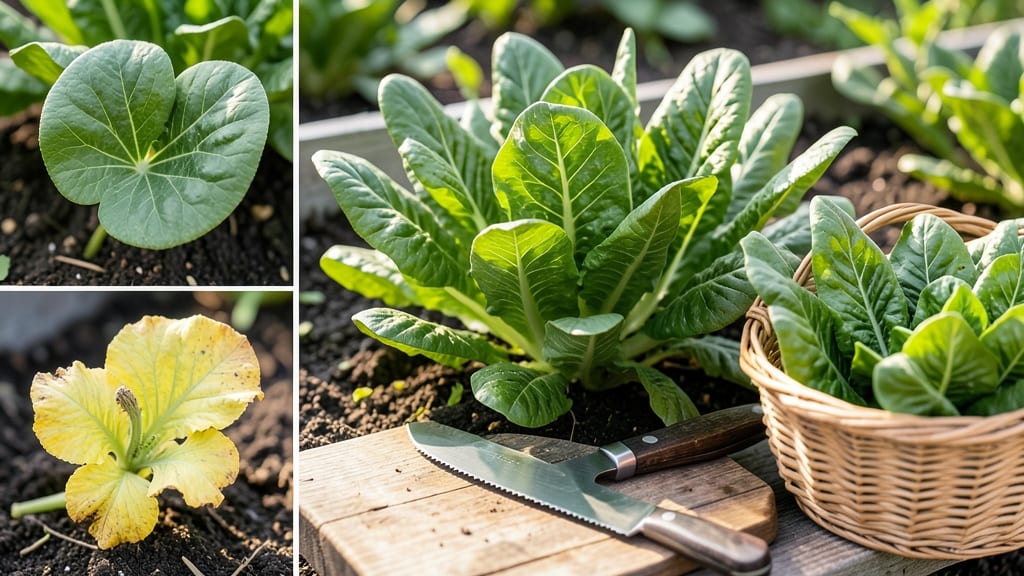
Harvesting romaine lettuce too late turns crisp, sweet leaves into bitter, tough stalks that even a good dressing can’t save.
Romaine lettuce is a fast-growing green that rewards patience—but knowing when to stop harvesting is just as critical as when to start. Overlook these key signs, and you’ll end up with bitter, tough leaves instead of crisp, flavorful salads.
Heat stress, overmaturity, or even a single missed window can send your 🥬 romaine bolting or developing a woody core. The difference between a perfect harvest and wasted effort often comes down to leaf color, stem firmness, and timing.
Below, I’ll show you the exact 3 signs your romaine is past its prime, how to salvage a struggling plant, and why late-season shade cloth could buy you an extra 2-3 weeks of harvests.

3 Clear signs your romaine lettuce is past its prime
Romaine lettuce thrives when harvested at the right moment—too early means underdeveloped leaves, but too late leads to bitter, tough textures. The key is recognizing three definitive signs that your romaine has crossed into over-maturity.
These visual and tactile cues will help you decide whether to harvest immediately or let the plant go.
First, pay attention to leaf color shifts. Fresh romaine boasts vibrant, deep green leaves, but as it matures past its prime, you’ll notice yellowing or brown edges. This discoloration signals nutrient depletion and cell breakdown, making the lettuce less palatable.
The second clue lies in the stem snap test, a quick way to assess texture without damaging the plant.
Finally, bolting is the ultimate red flag—when your romaine sends up a tall flower stalk, it’s too late to salvage the leaves for fresh eating. This happens when the plant senses heat or stress, redirecting energy toward reproduction.
Let’s break down these signs with expert-approved thresholds to help you act fast.
Let’s dive deeper into each sign. The leaf color shift is your first warning. When romaine lettuce starts showing yellowing or brown edges, it’s a clear indicator that the plant is stressed or over-mature.
This happens when the lettuce has absorbed too much heat or isn’t getting enough nutrients. I’ve found that in hot summer months, romaine can go from perfect to past prime in just 3-5 days.
Next, the stem snap test is a game-changer for tactile feedback. Hold a leaf between your fingers and gently pinch it. If it bends slightly but doesn’t snap, it’s still fresh.
However, if the leaf breaks easily or feels woody or fibrous, it’s a sign that the plant has hardened and lost its crispness. This often happens when the lettuce has been in the ground for more than 60 days.
Finally, bolting is the ultimate telltale sign that your romaine is past its prime. When you see a tall flower stalk shooting up from the center, the plant has shifted its energy from leaf production to seed production.
At this stage, the leaves will be bitter and tough, making them unpalatable. Bolting is more common in spring or fall when temperatures fluctuate, but it can happen anytime if the plant is stressed.
To avoid these pitfalls, I recommend harvesting romaine when the leaves are 6-8 inches long and still deep green. This ensures you get the crispest, most flavorful lettuce.
If you’ve missed the window, don’t despair—there are still ways to salvage your crop or even revive it, which we’ll cover in the next section.
Remember, the goal is to balance harvest timing with plant health. Over-harvesting can stress the plant, while waiting too long leads to bitterness and bolting. By keeping an eye out for these three clear signs, you’ll always know when to harvest or let go of your romaine lettuce.
How to revive over-harvested romaine lettuce (if it’s not too late)
Even the hardiest romaine lettuce plants can suffer from over-harvesting, leaving you with stunted growth or bitter leaves. The good news? With the right care, you can often coax your plants back to health.
Start by identifying the root cause—whether it’s nutrient depletion, water stress, or physical damage from aggressive cutting. Romaine is resilient, but it needs proper recovery conditions to bounce back.
Before diving into fixes, check if your plant is beyond salvation. Over-harvested romaine often shows signs like yellowing stems, stunted new growth, or bolting flower stalks. If you see these, it may be time to pull and replant.
But if the core is still firm and leaves are just tired, there’s hope. Let’s revive it step by step.
After 2 weeks of recovery, your romaine should show new growth from the center. If not, reassess: soil quality, pest damage, or disease might be holding it back. For organic solutions, try a compost tea spray to boost microbial activity in the soil.
Remember, romaine lettuce thrives on consistent care, not aggressive harvesting. Plan to harvest outer leaves first and leave the core intact. This method extends your plant’s life by 4-6 weeks and ensures sweeter, crisper leaves. With patience, your romaine can make a full comeback—just like a well-rested gardener!