
Picking
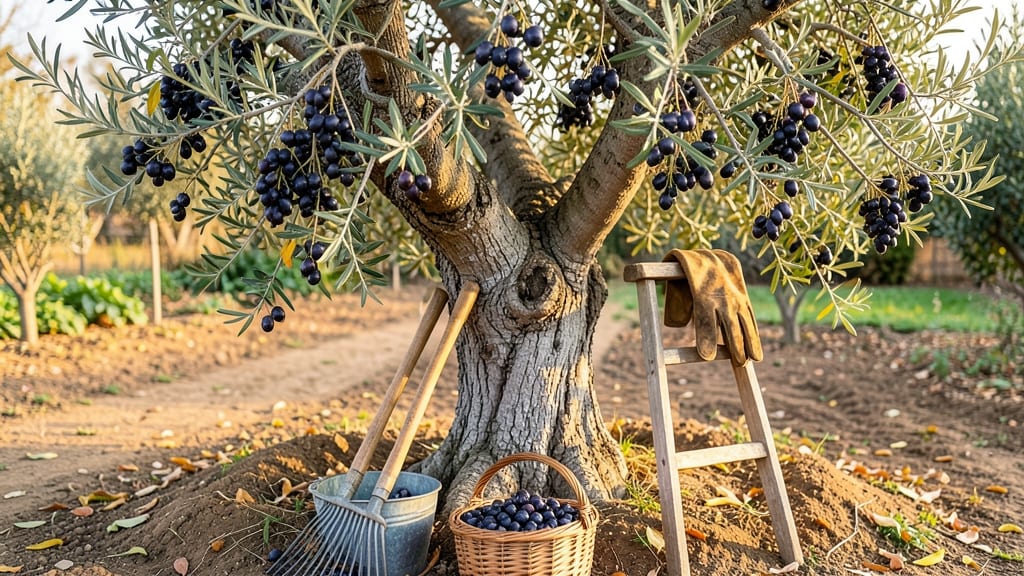
Italy’s olive harvest runs from October through January, with the sweet spot for most regions landing in November when the 🫒 fruit ripens to perfection.
Picture this: rolling hills of Tuscany blanketed in purple-black olives, ready to be pressed into liquid gold—or cured into briny table treats. But timing isn’t one-size-fits-all. Coastal Puglia kicks off early, while northern Piedmont waits until December, and a late frost can turn a bountiful year into a bust.
Whether you’re a home gardener with a single tree or a curious foodie tracking the best olives for your kitchen, knowing your region’s microclimate is the key.
Some varieties like Frantoio peak in October, while others like Leccino hold out until January—climate change is even shifting those windows faster than expected.
Below, I break down the exact months by region, how to spot ripe olives, and why your local forecast might be the difference between a stellar harvest and a missed opportunity.

Olive harvest timelines in Italy by region and climate zones
Italy’s olive harvest season spans from October through January, but the exact timing depends heavily on regional microclimates and olive varieties. Coastal areas like Puglia often kick off harvests as early as late September, while northern regions like Piedmont may delay until December due to colder temperatures.
Understanding these variations helps you plan for optimal ripeness—whether you’re a farmer, oil producer, or home gardener preserving table olives.
In Italy, temperature shifts and rainfall patterns act as natural triggers for harvest. A sudden drop below 50°F (10°C) can accelerate ripening, while prolonged dry spells may delay it.
For example, Leccino olives in Tuscany typically reach peak ripeness by mid-November, while Frantoio varieties in Emilia-Romagna may wait until late November or early December. These nuances make regional knowledge essential for timing your harvest correctly.
| Region | Climate Zone | Harvest Window | Key Varieties | Temperature Trigger |
|---|---|---|---|---|
| Puglia | Coastal Mediterranean | Late September–October | Ogliarola, Cellina | 60°F (15°C) night temps |
| Sicily | Hot-Dry Mediterranean | October–November | Nocellara, Moresca | 55°F (13°C) night temps |
| Tuscany | Temperate Mediterranean | Mid-November–December | Frantoio, Leccino | 50°F (10°C) night temps |
| Umbria | Continental Mediterranean | Late November–January | Cornicabra, Dolce Agogia | 45°F (7°C) night temps |
| Piedmont | Cool Continental | December–January | Taggiasca, Nostra | 40°F (4°C) frost risk |
In coastal Puglia, where warm sea breezes delay frost, harvests often begin as early as late September. The Ogliarola variety thrives here, ripening quickly under 60°F (15°C) nighttime temperatures. Meanwhile, Sicily’s hot-dry climate pushes harvests into October-November, with varieties like Nocellara benefiting from consistent sunlight and minimal rainfall.
These regions rely on hand-picking to preserve olive integrity, especially for premium oil production.
Moving north to Tuscany and Umbria, harvests shift later due to cooler temperatures. Frantoio olives in Tuscany typically reach peak ripeness by mid-November, while Cornicabra in Umbria may extend into January. Here, mechanical harvesters become more common, though hand-picking remains standard for high-end olive oils.
The 50°F (10°C) nighttime threshold acts as a critical cue for farmers to begin harvesting before early frosts arrive.
In Piedmont, Italy’s northernmost olive-growing region, harvests often stretch into January due to cooler continental climates. Varieties like Taggiasca are prized for their dual use in both oil and table olives, but their sensitivity to frost means harvests must conclude before 40°F (4°C) temperatures arrive.
Farmers here monitor rainfall patterns closely, as excessive moisture can reduce oil quality and increase disease risk.
Rainfall plays a critical role in olive ripening. While olives are drought-tolerant, too much rain before harvest can dilute oil content and promote fungal growth. In Sicily and P
Best olive varieties for harvesting in Italy and their ideal picking months
Italy’s olive harvest season is a dance between variety, altitude, and microclimates. While most olives ripen between October and January, the exact timing shifts dramatically—sometimes by 4 weeks—depending on whether you’re in coastal Puglia or the hills of Tuscany.
For example, Frantoio olives in Emilia-Romagna often peak in late November, while Nocellara del Belice in Sicily may not reach prime ripeness until mid-December. Understanding these nuances ensures you don’t miss the optimal harvest window for your favorite variety.
Soil type also plays a crucial role. Limestone-rich soils in Umbria accelerate ripening, making Cornicabra olives ready for harvest as early as late October. Meanwhile, clay-heavy soils in Calabria can delay the harvest by 2–3 weeks.
Even within the same region, a 1,000-foot altitude gain can push harvest dates back by 10–14 days. This variability is why Italian farmers rely on both traditional knowledge and modern sensors to pinpoint the perfect moment.
| Variety | Primary Regions | Peak Harvest Month | Soil/Climate Notes |
|---|---|---|---|
| Frantoio | Tuscany, Emilia-Romagna | Late November | Well-draining hills; early frost risk |
| Leccino | Umbria, Lazio | Early December | Limestone soils; slower ripening |
| Cornicabra | Umbria, Marche | Late October | Fast-ripening; coastal influence |
| Nocellara del Belice | Sicily | Mid-December | Volcanic soils; late ripening |
| Dolce Agogia | Puglia | Early November | Coastal; early harvest window |
| Ogliarola | Apulia, Basilicata | Late November | Drought-resistant; high oil yield |
| Taggiasca | Liguria | Mid-November | Coastal; dual-purpose (oil/table) |
| Rosso di Sorrento | Campania | Early December | High-altitude; late ripening |
| Leccino di Puglia | Puglia | Late November | Balanced ripening; versatile use |
| Cima di Mola | Puglia | ★★★★★4.5(2 reviews) |