
How To
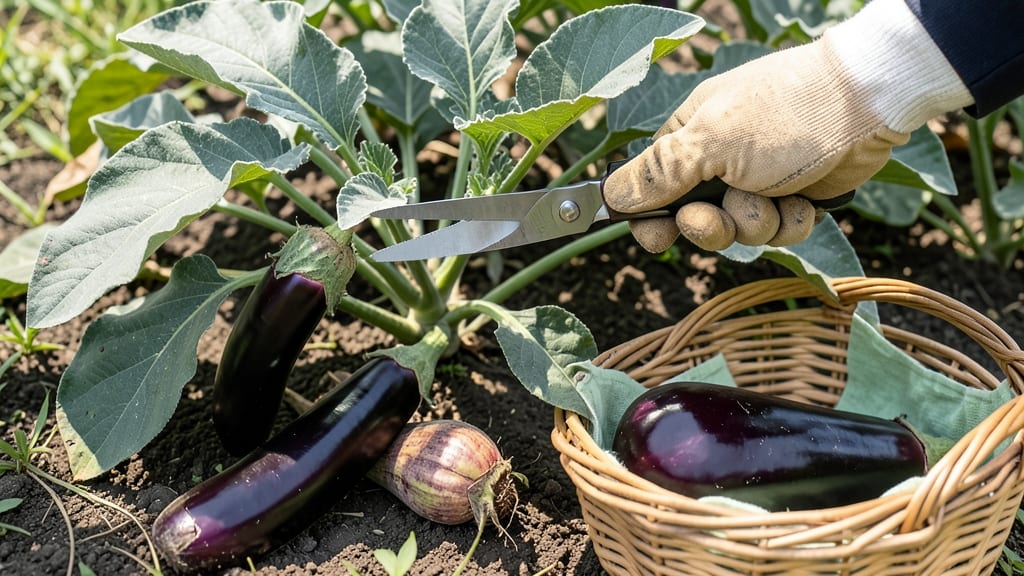
Harvest Asian eggplant 🍆 at the right moment, and you’ll unlock tender, flavorful fruit—wait too long, and you’re left with tough, bitter skins that ruin even the best recipes.
Picture this: you’ve nurtured your plants all summer, and now the moment of truth arrives. One wrong move, and your hard work turns to waste. The good news? There’s a simple way to tell when these glossy beauties are ready—no guesswork required.
Timing matters because Asian eggplant changes fast after reaching peak ripeness. Too early, and the flesh is underdeveloped; too late, and the skin toughens. In Zone 6, that window opens in July and closes by early September—so knowing the 3 key signs can save your harvest.
Below, I’ll walk you through the visual cues, seasonal adjustments, and even how to store your picks to keep them fresh. By the end, you’ll never second-guess when to snip again.
3 Visual and physical tests to harvest Asian eggplant at peak ripeness
Harvesting Asian eggplant at the wrong stage ruins its delicate flavor and texture. Unlike their larger Western cousins, these slender varieties demand precise timing—too early means underdeveloped seeds and bitter notes, while too late delivers tough, fibrous flesh.
The good news? Three simple tests reveal the perfect moment to pick, ensuring your harvest shines in stir-fries, grilling, or pickling recipes.
First, focus on skin color—this is your most reliable clue. Mature Asian eggplant develops a deep, glossy finish (purple, white, or striped, depending on variety) that dulls when overripe.
Pair this with size consistency: most varieties peak at 3–6 inches long, though smaller heirloom types may stop growing earlier. These visual cues work best in morning sunlight, when moisture enhances the fruit's natural sheen.
Next, perform the gentle pressure test—a trick that separates pros from beginners. Press your thumb lightly against the eggplant's skin. At peak ripeness, it should feel firm yet slightly yielding, like a ripe avocado.
If it springs back immediately, it's underripe; if it leaves an indent, it's past its prime. This test works for all varieties, from long Japanese types to round Thai eggplants.
Finally, check the stem separation. Gently twist the fruit at its base—it should detach cleanly with minimal resistance. A green, fibrous stem means it's not ready; a dry, slightly woody base signals perfection.
This method also prevents stem bruising, which shortens shelf life. Use pruning shears for a clean cut if the stem won't snap easily.
| Ripeness Stage | Skin Color | Size | Pressure Test | Stem Test | Flavor Note |
|---|---|---|---|---|---|
| Underripe | Dull, pale, or uneven | <2 inches | Firm, springs back | Green, tender stem | Bitter, seedy |
| Perfectly Ripe | Deep, glossy, vibrant | 3–6 inches | Firm but yielding | Woody, snaps cleanly | Sweet, tender |
| Overripe | Dull, wrinkled, or spotted | >6 inches (softening) | Mushy, leaves indent | Dry, brittle stem | Tough, watery |
Avoid the common mistake of harvesting based solely on size. Some heirloom varieties, like Thai eggplant, reach maturity at just 2–3 inches but with full flavor. Always combine size with the color and pressure tests for accuracy.
For example, a 6-inch purple eggplant with dull skin is overripe, while a 4-inch striped type with glossy skin is perfect.
Temperature plays a hidden role in ripening. In hot climates (Zones 8–10), Asian eggplant may ripen faster—check for readiness every 3–4 days once fruits appear. Conversely, in cooler zones (6–7), extend your checks to 5–7 days as growth slows.
Morning harvests prevent heat stress, which can accelerate overripening during peak summer.
Pro tip: Harvest early in the morning when fruits are cool and firm. Use a sharp knife or pruning shears to cut stems at a 45-degree angle, leaving ½ inch of stem attached.
This prevents rot and preserves the fruit's moisture content longer. Store harvested eggplant in a paper bag in the fridge for up to 5 days—longer storage risks mealiness.
For continuous harvests, pick fruits every 2–3 days once the plant starts producing. This encourages more blooms and prevents overcrowding, which stresses the plant.
If you miss the window, don't despair—underripe eggplant can be saved by cooking it longer (e.g., grilling or frying), while overripe specimens work well in soups or stews where texture is less critical.
Remember: Asian eggplant flavor peaks at ripeness but declines rapidly after harvest. The 3 tests—color, size, and stem firmness—work together like a trio of gardeners whispering secrets. Master them, and you'll transform your harvest from meh to magnificent in every dish. 🍆
How Asian eggplant taste changes after harvesting (and when to stop waiting)
Once you’ve harvested your Asian eggplant, the clock starts ticking on its peak flavor window. Within 24–48 hours, the flesh begins converting starches into sugars, but if left too long, bitterness creeps in.
The ideal window? Use your eggplant within 3–5 days of harvest for the tenderest, sweetest taste.
After 5 days, the texture softens and flavor intensifies—but only up to a point. Beyond 7 days, enzymatic activity triggers bitterness, especially in warmer storage. This is why many gardeners swear by quick-cooking methods like stir-frying or grilling to preserve that just-harvested freshness.
🌱
To test ripeness post-harvest, press gently—firm but yielding skin is perfect. If it feels slimy or hollow, it’s past its prime. For white or light-colored varieties, watch for yellowing or wrinkling, which signals overripeness. Purple types may darken slightly but stay glossy.
If your eggplant sits too long, salvage it by salting or fermenting, which breaks down bitterness. For example, slice 1/4-inch thick rounds, sprinkle with kosher salt, and let sit for 30 minutes before rinsing—this mellows harsh flavors. Alternatively, grill or roast at high heat to caramelize natural sugars.
Pro tip: Store eggplant in the crisper drawer (not with ethylene-producing fruits like apples) and wrap loosely in a paper towel to absorb excess moisture. This extends freshness by 2–3 extra days while preserving texture.
When in doubt, cook it immediately. The earlier you use your harvest, the more vibrant the flavor—sweet, mild, and rich—without the bitter aftertaste that plagues overripe eggplant. 🌿