
Vegetables
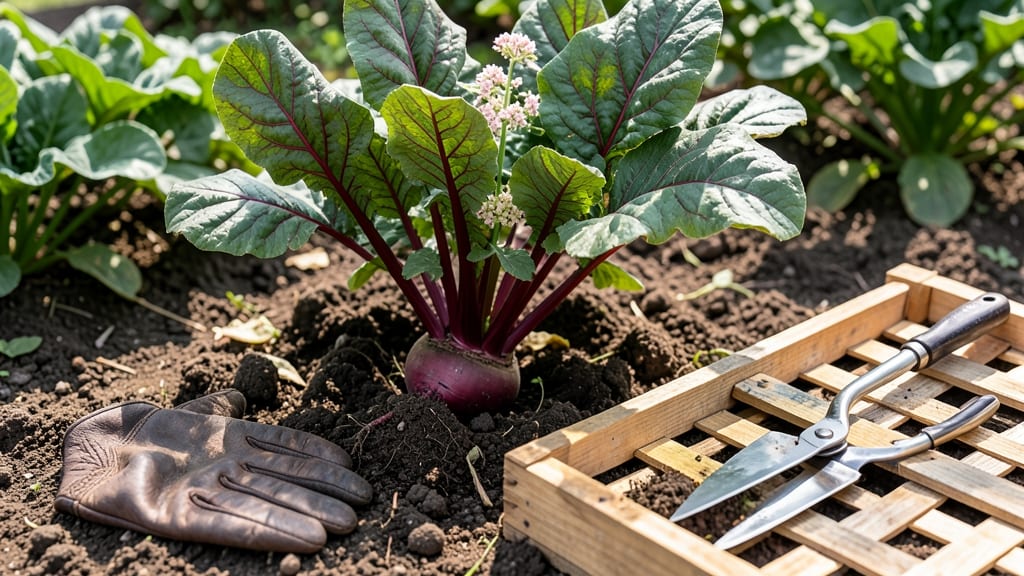
Harvesting beet roots at the right time transforms them from tough, bitter greens into sweet, tender bulbs packed with flavor — and the key is knowing when to pull them.
Picture this: you’ve nurtured your 🍠 beet roots all spring, watching them grow from tiny sprouts to lush foliage. But if you wait too long, those perfect roots turn woody and lose their natural sweetness. The difference between a perfect harvest and a disappointing one often comes down to timing.
In USDA Zone 6a, where spring planting windows run from March to May, the ideal harvest window stretches from June through September. But don’t rely solely on the calendar — the real clues lie in the roots themselves.
Size, color, and even the texture of the skin all signal when it’s time to dig.
Below, I’ll walk you through the three visual cues that guarantee peak sweetness, plus how to adjust for regional variations and avoid common mistakes that ruin your harvest.

3 Visual cues to identify perfectly ripe beet roots
Harvesting beet roots at the right time transforms your garden into a treasure trove of sweet, tender bulbs. The key lies in understanding three visual cues that signal peak maturity: root size, skin texture, and color changes.
Ignoring these can turn your harvest into tough, woody disappointments. Let’s break down each clue so you never miss the perfect window again.
First, pay attention to the root diameter. Early varieties like 'Babybeat' reach harvest readiness at just 1 inch across, while standard types such as 'Detroit Dark Red' should be 2-3 inches in diameter.
Use a ruler to check—this simple tool prevents guessing games. Smaller roots are still developing their signature sweetness, while larger ones risk becoming fibrous.
Next, examine the skin texture. A perfectly ripe beet root has a smooth, firm skin with no wrinkles or cracks. Rough or bumpy skin is a red flag—it means the root has outstayed its welcome in the soil.
Early varieties often develop this texture faster, so monitor them closely. Pro tip: Gently brush away excess soil to reveal the true condition of the skin.
The third cue is the most obvious: color changes. While red beets deepen to a rich, glossy hue, golden varieties like 'Golden Chicago' turn a vibrant amber. Even the foliage plays a role—healthy, deep green leaves indicate a root ready for harvest.
Yellowing or wilting leaves suggest the plant is stressed, often a sign of overmaturity or underwatering.
| Cue | Early Varieties (e.g., 'Babybeat') | Standard Varieties (e.g., 'Detroit Dark Red') | Late Varieties (e.g., 'Chioggia') |
|---|---|---|---|
| Root Size | 1 inch diameter | 2-3 inches diameter | 3+ inches diameter |
| Skin Texture | Smooth, firm | Smooth, firm | Smooth, may develop slight ridges |
| Color Changes | Deepens to vibrant hue | Rich, glossy color | Intense, uniform color |
| Foliage | 4-6 inches tall, deep green | 6-12 inches tall, vibrant | 12+ inches tall, healthy |
For early varieties, timing is critical—they mature faster and can become woody in just a few extra days. Check the soil around the base of the plant; if it’s dry and the roots feel firm when gently squeezed, they’re ready.
Early varieties like 'Early Wonder' are perfect for quick harvests and container gardening, making them ideal for small spaces or impatient gardeners.
Standard varieties offer a broader window for harvest, but don’t wait too long. Once roots exceed 3 inches, they start developing a tougher texture and a slightly bitter taste. Use a garden fork to loosen the soil before pulling—this prevents damage to the roots.
Always harvest on a dry day to make cleanup easier and reduce the risk of soil-borne diseases.
Late varieties, such as 'Chioggia', take longer to mature but reward you with intricate patterns and a sweeter flavor. These can be left in the ground for up to 70 days after sowing, but monitor them closely.
Overripe beets lose their tenderness and may split if the soil becomes too dry. Mulching around the base helps maintain even moisture and extends the harvest window.
One common mistake is relying solely on days-to-maturity labels. While these provide a general guideline, they don’t account for soil conditions, temperature fluctuations, or variety-specific traits. For example, cool spring soil can delay maturity, while hot summer days may speed it up.
Always cross-reference visual cues with the plant’s growth stage for the most accurate assessment.
Pro tip: Harvest a few beets as a test when they’re close to size. Cut one in half to check the inner color and texture. A vibrant, uniform interior with no hollow spots confirms you’re on the right track.
This simple test saves you from harvesting too early or too late, ensuring every beet you pull is a winner.
Finally, remember that harvest timing affects storage. Beets harvested at peak ripeness store better and retain their sweetness longer. After pulling, trim the foliage to 1 inch above the root and store them in a cool, dark place with high humidity.
With these visual cues in mind, you’ll never miss the perfect moment to harvest beets again.
How soil and weather affect beet root harvest timing
Your beet root harvest timing isn't just about days since planting—soil composition and weather play starring roles. Loose, sandy soil speeds up maturity because roots expand easily, while dense clay slows growth, making beets take longer to reach ideal size.
Even the temperature shifts your harvest window: cooler climates like Zone 5 may need 70 days, while hot southern summers can push beets to harvest in just 50 days.
I’ve learned the hard way that ignoring these factors leads to either underdeveloped roots or bitter, woody bulbs. For example, my Detroit Dark Red variety in Texas heat was ready 2 weeks earlier than my Chicago-grown Golden beets. Adjusting for your microclimate saves time—and frustration!
⚠️ Warning: Heat and Dry Soil Speed Up Harvest
If your beets bolt (send up flower stalks) before reaching 1-3 inches, your soil is likely too dry or temperatures exceeded 85°F. Harvest immediately—bolting makes roots tough and bitter. In hot climates, plant shade cloth or opt for early-maturing varieties like 'Babybeat' (ready in 45 days).
Let’s talk soil moisture next—it’s a game-changer. Well-drained soil with 1-2% organic matter keeps roots tender, while waterlogged conditions cause splitting and uneven growth. I test soil moisture by squeezing a handful: if it crumbles easily, it’s time to water.
Overwatering? That’s how you end up with hollow cores and poor flavor.
Don’t overlook humidity levels either. High humidity in tropical climates can lead to fungal diseases like leaf spot, which stresses plants and delays maturity. In these areas, space plants wider (4-6 inches apart) and mulch heavily to balance moisture.
My Florida-grown beets matured 10 days slower than those in drier Arizona—same variety, different outcomes!
For cooler climates, extend your harvest window by planting in succession. Sow new seeds every 2 weeks from April to July to stagger maturity. This works especially well for longer-season varieties like 'Chioggia', which can handle 50-60°F nights without bolting.
Just avoid planting when soil temps drop below 50°F—roots won’t develop properly.
Pro tip: Use a soil thermometer to track temps. Beets thrive in 60-75°F soil. If your area hits extreme heat waves, harvest smaller roots (1 inch diameter) for greens—you’ll still get edible tops, just skip the bulbs. I’ve saved many a bolt-prone batch this way!
Finally, adjust your harvest window based on your local frost dates. In short-season zones (like Zone 3), prioritize fast-maturing varieties (50-55 days) and harvest before first frost.
In longer seasons, you can afford to wait for larger roots—just monitor for bolting signs (flower stalks) as summer wanes. 🌱