
Picking
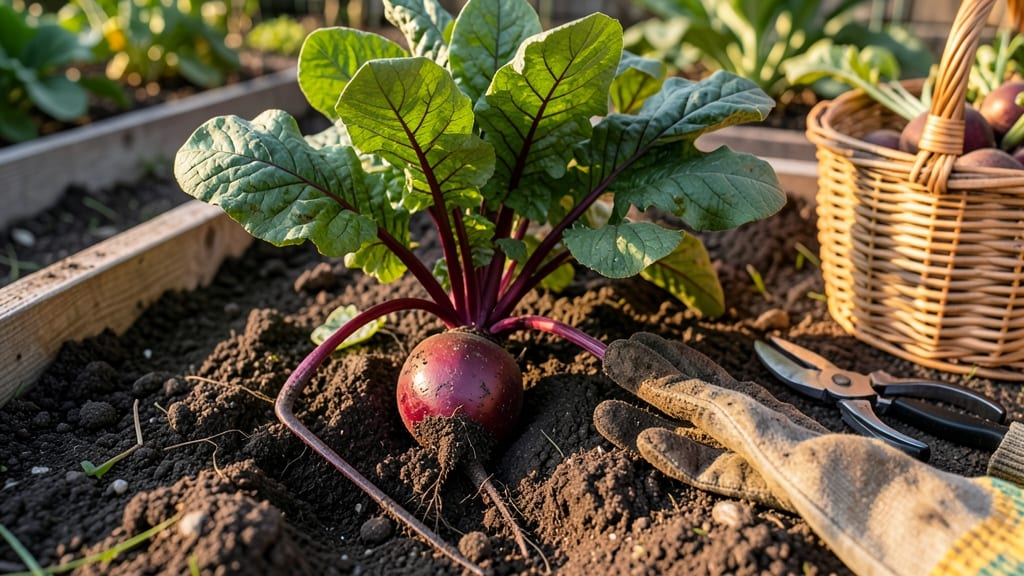
To harvest beets from your garden at their sweetest and most tender, aim for 50-70 days after planting — but timing isn’t just about days, it’s about size, color, and soil cues.
Picture this: you’re digging up a beet that’s woody and bitter instead of the crisp, vibrant root you imagined. That’s what happens when you miss the window. The good news? There are simple ways to tell when your 🍠 are ready — before they bolt or turn tough.
Most gardeners focus on days to maturity, but the real secret lies in the soil and the plant itself. A firm root, deep color, and healthy leaves are your best clues. Below, I’ll show you how to check these three key signs — and why climate and variety matter.
You’ll leave here knowing exactly when to pull your beets for peak flavor, how to adjust for your zone, and what to do if you wait too long. No guesswork, just delicious harvests.

3 Key soil and plant tests to determine perfect beet harvest timing
Harvesting beets at the right moment ensures sweet, tender roots with maximum flavor. But how do you know when they're ready? The secret lies in three simple tests: soil depth assessment, leaf size comparison, and root firmness testing.
These methods help you avoid the common mistakes of harvesting too early (small, bitter beets) or too late (woody, tough roots). Let's dive into the field-tested techniques that work in my garden every season.
First, check the soil depth of your beet roots. Using a garden trowel, gently loosen the soil around one plant and look for the shoulder of the root—where the bulb begins to widen. If the root is 1-3 inches in diameter at this point, it's likely ready.
Baby beets (for salads) should be 1 inch or smaller, while mature beets for roasting or storage should reach 2-3 inches. This test helps you avoid digging up undersized or overgrown roots.
Next, compare the leaf size to the root development. Healthy beet greens should be 4-6 inches tall with 3-5 broad leaves when the roots are ready. If the leaves are still small or sparse, the roots need more time.
However, if the leaves are yellowing or bolting (sending up flower stalks), you've waited too long. This visual cue is especially useful for Detroit Dark Red or Chioggia varieties, where leaf color changes as the roots mature.
Here’s where many gardeners make a mistake: relying only on days after planting. While seed packets suggest 50-70 days to maturity, environmental factors like soil temperature and sunlight exposure can shift this timeline. For example, cooler spring soil may slow growth, while hot summer days can speed it up.
That’s why these three tests—soil depth, leaf size, and root firmness—are more reliable than a calendar.
Check Soil Depth
Use a garden trowel to expose the root shoulder. Baby beets: 1 inch diameter. Mature beets: 2-3 inches. Avoid digging up undersized roots by waiting until the soil reveals a firm, rounded bulb.
Compare Leaf Size
Healthy beet greens should be 4-6 inches tall with 3-5 broad leaves. If leaves are yellowing or bolting, harvest immediately—roots may become tough. For Chioggia beets, striped patterns appear fully when roots are ready.
Test Root Firmness
Gently squeeze the exposed root. It should feel firm like a tennis ball, not soft or spongy. If it’s woody or cracks when pressed, it’s overripe. For baby beets, firmness comes earlier—aim for 1 inch diameter with slight resistance.
The third test is the most critical: root firmness. After exposing the root, gently squeeze it with your fingers. A perfectly ripe beet should feel firm like a tennis ball, not soft or spongy. If it’s woody or cracks when pressed, it’s past its prime.
For baby beets (like Golden varieties), they’ll be firm but smaller—1 inch in diameter—and slightly resistant to pressure. This test helps you avoid the disappointment of tough, fibrous roots.
One common mistake I see in home gardens is harvesting based on leaf color alone. While deep red or golden hues indicate maturity, relying solely on color can lead to errors.
For example, Chioggia beets develop their iconic striped patterns only when fully mature, but their roots might still be small. Always combine color, size, and firmness for accurate results. Pro tip: Harvest on a cool morning when roots are firmest and flavors are most concentrated.
If you're growing beets in containers or raised beds, these tests still apply, but pay extra attention to root crowding. Beets in tight spaces may mature faster but can become misshapen or tough.
Use the same soil depth and firmness tests, but thin seedlings early to give roots room to develop properly. For Detroit Dark Red varieties, this means spacing plants 3-4 inches apart from the start.
Finally, don’t forget to harvest consistently for continuous production. Beets left in the ground too long will bolt or develop woody cores, especially in hot weather.
By checking soil depth, leaf size, and root firmness every 3-5 days during peak harvest season, you’ll enjoy a steady supply of sweet, tender beets all season long. Trust these tests, and you’ll never second-guess your harvest timing again!
How long until beets are ready? Ideal days to harvest by variety
Beets are one of those rewarding vegetables where timing makes all the difference. While most varieties mature between 45 to 70 days, the exact harvest window depends on your climate zone, soil temperature, and the specific variety you're growing.
Cool spring soil speeds up growth, while hot summer conditions can slow it down—so don't rely solely on seed packet estimates.
For example, Detroit Dark Red, a classic favorite, typically reaches harvest in 50 to 60 days when planted in 50°F soil. But in warmer zones like USDA 9-10, you might need to adjust your planting schedule to avoid bolting or woody roots.
Always check your seed packet for days-to-maturity guidelines, but remember: these are averages.
| Variety | Days to Harvest | Best Climate Zones | Root Size at Harvest | Soil Temp |
|---|---|---|---|---|
| Detroit Dark Red | 50-60 days | USDA 3-9 | 2-3 inches | 50-70°F |
| Golden Beet | 45-55 days | USDA 4-10 | 1.5-2.5 inches | 55-75°F |
| Chioggia (Striped) | 55-65 days | USDA 5-8 | 2-3 inches | 50-65°F |
| Baby Beets (All) | 30-40 days | USDA 2-11 | 1-1.5 inches | 45-60°F |
*Adjust for cooler climates by extending days by 5-10%
If you're growing baby beets, you can harvest as early as 30 days when roots reach 1 inch in diameter. These are perfect for quick salads or pickling. For mature beets, aim for 2 to 3 inches—this ensures maximum sweetness and tenderness.
Pro tip: Use a gardening fork to gently loosen soil before pulling to avoid damaging roots.
Climate plays a huge role in beet maturity. In cooler northern zones (USDA 1-4), beets may take 10% longer to mature due to slower soil warming. Conversely, in hot southern zones (USDA 9-11), beets can bolt prematurely if soil temps exceed 80°F.
To combat this, plant in early spring or fall and use shade cloth during heatwaves.
Don't forget to check your seed packet guidelines—they often include adjustments for your specific region. For instance, Burpee's Detroit Dark Red suggests 55 days to harvest, but if you're in Zone 7 with cooler springs, you might need to add 5-7 extra days.
Always monitor your beets' leaf growth and root visibility as your best indicators.
Once you've mastered the timing, you'll enjoy beets that are tender, sweet, and free of woodiness. Happy harvesting! 🌱🌿