
Vegetables
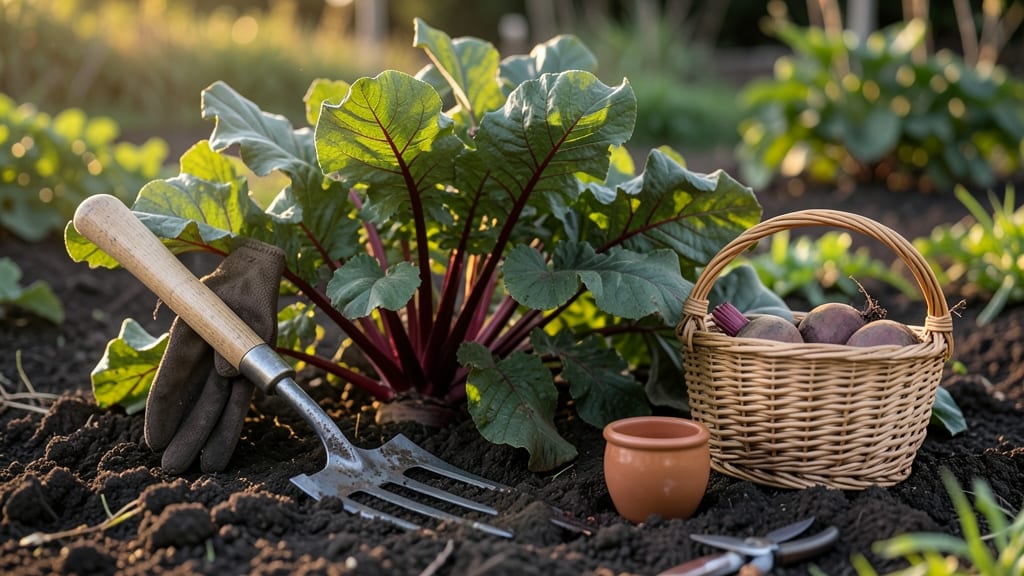
Harvesting beets at the right time ensures they’re sweet, tender, and packed with flavor—never tough or woody.
Picking too early means you’re missing out on peak sweetness, while waiting too long turns your 🍠 into a fibrous mess. The difference between a perfect harvest and a disappointing one often comes down to three simple visual cues that most gardeners overlook.
Whether you’re growing beets for fresh salads or long-term storage, timing matters. A beet pulled too soon lacks depth, while one left too late becomes stringy and bitter. Below, I’ll walk you through the exact signs to watch for—so you can enjoy beets at their absolute best.
You’ll learn how to check size, color, and texture, plus when to harvest for storage vs. immediate cooking. No guesswork, just foolproof results every time.

How to identify beets ready for harvest by size and color
Harvesting beets at the right time ensures sweet, tender roots instead of tough, woody ones. The key lies in two simple visual checks: root diameter and color intensity.
Baby beets (like 'Babybeat' or 'Detroit Dark Red') reach perfection at 1-1.5 inches wide, while storage varieties need 2-2.5 inches for long-term storage. Color varies by type—deep purple for classic beets, golden yellow for Chioggia, or striped for Candy Stripes.
Timing matters because beets left too long in the ground develop woodier texture and concentrated flavors. For example, a Detroit Dark Red left past 2.5 inches loses its tender sweetness.
Meanwhile, golden varieties like 'Burpee's Golden' stay sweeter when harvested smaller. Always check roots by gently brushing soil away—they should feel firm but not hard.
Don’t rely solely on days-to-maturity labels—soil conditions and variety affect timing. For example, Detroit Dark Red takes 50-70 days to reach storage size, but 'Babybeat' is ready in just 30-40 days.
Always dig up one beet to check its size and color before harvesting the whole patch. This prevents over-maturity and wasted effort.
Color consistency is your best friend. A beet with uneven shading or pale spots may have been stressed by drought or poor soil. Healthy beets show vibrant, uniform hues—whether deep purple, golden, or striped.
For storage varieties, aim for roots that are slightly larger than your thumb's width at the widest point.
Pro tip: Harvest on a cool morning after watering to reduce soil clinging. Use a garden fork to loosen roots gently—never pull by the leaves, which can damage the root. Rinse off dirt immediately to preserve freshness. For baby beets, harvest every 2-3 weeks to encourage continuous production.
Overlooking these visual cues can lead to bitter, fibrous beets that ruin dishes. For instance, a 3-inch Detroit Dark Red will taste woody compared to its 2-inch counterpart. Always prioritize firmness and color vibrancy over size alone. These traits guarantee the sweetest, most tender harvest every time.
Seasonal timing also plays a role. In spring plantings, harvest when roots reach ideal size before bolting (flowering) begins. For fall crops, aim to pull beets 2-3 weeks before frost to avoid freezing.
Store harvested beets in a cool, dark place (like a root cellar) for up to 3 months.
If you're unsure, compare your beets to store-bought varieties. Market beets are often 2-3 inches wide—use this as a benchmark. For baby beets, think golf-ball sized or smaller. The smaller the root, the sweeter and more delicate the flavor. This rule applies across all beet varieties.
Finally, trust your senses. A ready-to-harvest beet should feel heavy for its size and snap cleanly when cut. If it resists with a crunchy texture, it’s overripe. By mastering these visual and tactile cues, you’ll never miss the perfect harvest window again.
3 Visual cues that prove your beets are perfectly sweet
Sweetness in beets isn’t just about days in the ground—it’s written in their leaves, stems, and roots. When I first grew beets, I pulled them too late, ending up with tough, bitter roots.
Now, I rely on these three visual cues to guarantee sweetness every time. The first clue is often overlooked but is the most reliable: the leaf color.
Beet greens should be vibrant and deep green without yellowing. If you notice even slight yellowing on the leaves, it’s a sign the beet is overripe and woody. The greens act like a sugar meter—when they start fading, the root’s sweetness has peaked and turned bitter.
I check the leaves first thing in the morning when they’re fully hydrated for the most accurate reading.
Next, examine the stem thickness at the soil line. A perfectly sweet beet will have a thick, sturdy stem about the diameter of a pencil. Thin stems mean the beet is still growing, while stems that feel shriveled or hollow indicate it’s past its prime.
I run my thumb along the stem—if it gives slightly, it’s ready to harvest.
The final test is the root’s firmness and skin texture. Gently squeeze the root—it should feel firm but not rock-hard. If it yields slightly under pressure, it’s perfect. The skin should also be smooth and taut, not wrinkled or cracked.
I avoid harvesting in extreme heat because the roots can develop a rough texture, which ruins the sweetness.
Common mistakes include harvesting based on size alone or ignoring the greens. For example, a 2-inch beet with yellowing leaves is past its prime, even if it looks big.
Always cross-check all three cues. If you’re growing baby beets, they’re ready when they’re 1-1.5 inches wide and the greens are still vibrant.
Pro tip: Harvest in the morning after watering when roots are plump and flavors are at their peak. Store them in a cool, dark place for up to a week, or preserve them by canning or freezing. These cues have never failed me—and they won’t for you either.