
Flowers
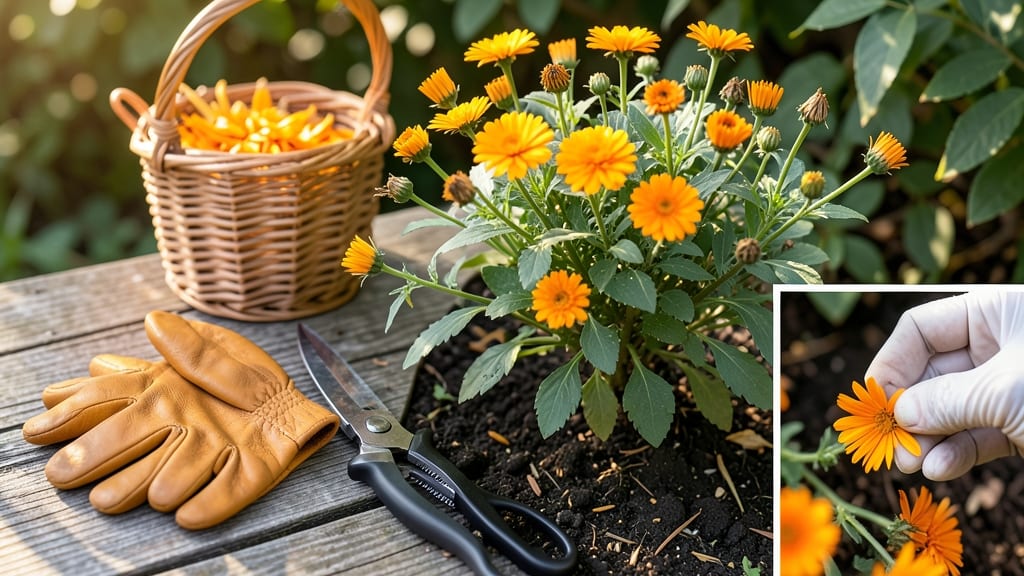
Harvest calendula flowers when petals shift from bright orange to pale yellow—this color change signals peak freshness and potency.
Picture this: you’ve nurtured your 🌼 calendula all season, and now the moment of truth arrives. One wrong move, and those vibrant blooms turn bitter or wilt too fast.
But here’s the secret: timing isn’t just about color—it’s also about the seed head’s readiness and even the time of day you pick.
In USDA Zone 6a, the harvest window stretches from late June through October, but climate plays a role. Morning picks preserve moisture, while afternoon heat can dry petals prematurely.
And if you’re harvesting for seeds instead of flowers, you’ll need to wait until those centers turn fully brown—don’t miss that cue!
Below, I’ll walk you through the petal color shift, the seed head test, and pro tips to avoid common mistakes. By the end, you’ll know exactly when to snip for the freshest bouquets, longest-lasting dried petals, or richest seed harvest.

How to identify the perfect petal color shift for harvesting calendula
Harvesting calendula at the right moment ensures maximum flavor, medicinal potency, and longevity for drying or floral arrangements. The key lies in watching for subtle petal color shifts—from vibrant bright orange to soft pale yellow—that signal peak ripeness.
These shifts aren’t just about aesthetics; they directly impact the chemical composition of the petals, including their carotenoid content, which is highest at this stage.
For floral arrangements, harvest when petals are fully open but still bright orange, as this preserves their vivid hue. Meanwhile, for medicinal use, aim for the transition phase—when petals begin fading to pale yellow—as this is when their anti-inflammatory compounds peak.
Missing this window can lead to bitter-tasting or overripe petals that lose their therapeutic benefits.
Climate plays a huge role in these color shifts. In hot, dry climates, calendula petals may shift faster, while cooler, humid regions slow the process.
Always harvest in the morning when dew is present, as this ensures petals are at their freshest and most vibrant for both drying and arrangements.
Seasonal variations also matter. In temperate zones, the best harvest window spans from late summer to early fall, aligning with calendula’s natural blooming cycle. However, in warmer climates, you might see continuous blooms year-round, requiring more frequent checks for those critical color cues.
Here’s the science-backed breakdown of what to watch for, from bud to harvest:
Pay close attention to the center of the flower—this is where the most dramatic color shifts occur. When you see brown edges creeping into the center, that’s your cue to harvest for medicinal purposes.
These brown edges indicate the carotenoid breakdown that enhances the petals’ healing properties, making them ideal for teas, salves, or infusions.
For drying calendula, harvest at the orange-yellow stage to preserve both color and potency. If you wait until petals turn fully pale yellow, they’ll dry with a muted hue and may lose some of their anti-inflammatory benefits.
Always use clean, sharp scissors to snip stems just above a leaf node—this encourages more blooms to form.
In humid climates, calendula petals may stay vibrant longer, delaying the color shift. To counteract this, harvest slightly earlier—when petals are fully open but still bright orange.
Conversely, in arid regions, the shift happens faster, so monitor flowers daily during peak bloom seasons to avoid missing the window.
Pro tip: If you’re unsure, pinch a few petals between your fingers. At the perfect harvest stage, they should feel dry and papery, not damp or sticky.
This texture test is a foolproof way to confirm ripeness, especially when color cues are ambiguous due to cloudy weather or shade.
Timing your harvest correctly also affects storage life. Petals harvested at peak ripeness dry evenly and retain their color for up to 2 years when stored in a cool, dark place. Overripe petals, on the other hand
The seed head test: a reliable method to avoid overripe calendula flowers
If you've ever harvested calendula flowers only to find them bitter or wilted too quickly, the issue likely stems from ignoring the seed head. This simple test reveals whether your blooms are at peak freshness or already past their prime.
The seed head's development stage directly correlates with petal quality—harvest too late, and you'll miss the window for vibrant, long-lasting flowers.
For seed-saving purposes, you'll want to wait until the center turns completely brown, but for fresh or dried petals, timing is everything. The key is catching flowers just as the center begins to show early browning—this signals the perfect moment before overripeness sets in.
Missing this cue can mean the difference between petals that dry beautifully and those that turn mushy or develop mold.
Here's how to perform the test correctly every time:
-
1
Inspect the center of a fully open calendula bloom. Look for the first signs of browning in the seed head.
-
2
Compare to green centers—if the seed head is still fully green, the petals aren't ready. Wait 1-2 days for optimal harvest timing.
-
3
Harvest before full browning—if the center turns completely brown, the petals will be overripe and less vibrant for drying or fresh use.
-
4
Use clean shears and cut stems at a 45-degree angle just above a leaf node to encourage new growth.
-
5
Harvest in the morning (between 6-9 AM) when petals are fully open and dew has evaporated for the best quality.
One common mistake is waiting too long for seed heads to fully mature when you actually want petals. For dried calendula petals, harvest when the center shows 20-30% browning—this ensures maximum color retention and medicinal properties.
If you're saving seeds, wait until the center is fully brown and papery, then allow the seed heads to dry completely on the plant before harvesting.
In USDA Zone 6a, calendula typically enters its peak harvest window in late July through September. However, if your summers are particularly hot, the seed heads may mature faster—check daily during heatwaves.
Conversely, in cooler climates, you might extend your harvest into early October before the first frost. Always prioritize the seed head test over calendar dates for the best results.
Pro tip: If you notice yellowing petals with green centers, this is a clear sign you've missed the harvest window. The plant is redirecting energy to seed production, and the petals will quickly become bitter.
By mastering the seed head test, you'll consistently harvest calendula at its peak, whether you're making herbal infusions, dried potpourri, or fresh floral arrangements.