
How To
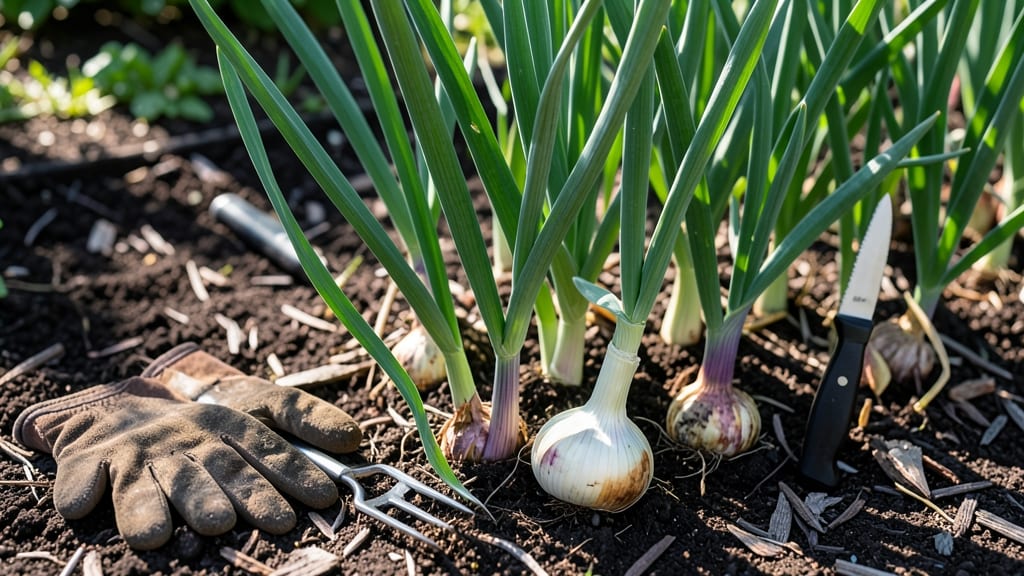
Harvest candy onions 🧅 when their tops yellow and flop over—usually 90 to 120 days after planting in USDA Zone 6a—or you’ll miss their peak sweetness.
Picture this: you’ve nurtured your candy onions all season, and now the moment of truth arrives. Pull them too early, and they’re still tough and pungent. Wait too long, and the bulbs split, losing their delicate flavor.
The difference between a perfect harvest and a wasted crop often comes down to timing—and a few simple visual cues.
Most gardeners in Zone 6a start planting in March, so by late summer, you’ll notice the foliage turning from green to a soft yellow. That’s your first clue. But don’t stop there—check the bulb size and stem condition too.
A candy onion ready for harvest should feel firm when gently squeezed, with a slightly shriveled neck. These details make all the difference between a sweet, tender bulb and a bitter disappointment.
In this guide, I’ll walk you through the three key signs that your candy onions are ready to pull, how to test their sweetness before harvesting, and what to do once they’re out of the ground to keep them fresh. No more guesswork—just perfectly timed harvests every time.

3 Visual cues to harvest candy onions at peak sweetness
Candy onions reach their peak sweetness at a precise moment—when their foliage signals maturity but before the bulbs split or overripe. Miss this window, and you’ll end up with bitter, tough onions instead of the tender, sugar-rich gems you crave.
The key is watching for three visual cues that tell you it’s time to harvest: leaf color, bulb size, and stem condition.
Unlike storage onions, candy onions are harvested for their sweet, mild flavor when the bulbs are still small but fully developed. Waiting too long causes the skin to toughen, the neck to shrivel, and the flavor to fade.
But harvesting too early means underdeveloped bulbs with less sweetness and more moisture. Here’s how to nail the timing every time.
| Cue | Not Ready (Underripe) | Ready (Peak Sweetness) | Overripe (Past Prime) |
|---|---|---|---|
| 🌱 Leaf Color | Bright green Upright, stiff tops 🟢 Active growth |
Yellowing Flopping tops 🟡 Maturing |
Brown/dry Crispy, brittle leaves 🟤 Dormant |
| 🧅 Bulb Size | Small Soft when squeezed 🤏 Under 1 inch |
Medium Firm, dry-feeling 🧅 1-2 inches |
Large Splitting or papery ⚠️ Over 2.5 inches |
| ⏳ Stem Condition | Thick, green No neck shrinkage 🌱 Still growing |
Thinning Neck shrinks slightly ⏳ Maturing |
Dry, papery Neck collapses ❌ Past prime |
The first cue to watch is the foliage color. Candy onions are ready when 50-70% of the leaves turn yellow and flop over. This indicates the bulb has stopped growing upward and is redirecting energy to sweetness.
If you see green, upright leaves, the bulb is still developing and needs more time.
Next, check the bulb size. At peak sweetness, candy onions are typically 1-2 inches in diameter—about the size of a golf ball. Gently squeeze the bulb through the soil: it should feel firm but not hard.
If it’s soft or spongy, it’s underripe; if it’s rock-hard or splitting, you’ve waited too long.
Finally, examine the stem condition. The neck of the bulb (where the leaves meet the bulb) should begin to shrink and dry slightly. This is your final green light.
If the stem is still thick and green, the bulb isn’t ready. But if it’s completely dry and papery, the onion has overripe and lost sweetness.
Pro tip: Harvest on a dry, sunny morning to let the bulbs cure naturally. Pull them gently by the base, leaving the roots attached. Shake off excess soil, but don’t wash them—moisture speeds up spoilage.
Lay them in a single layer in a dry, shaded spot to cure for 3-5 days before storing.
Remember, candy onions are short-day plants, meaning their sweetness peaks as daylight shortens in late summer. In USDA Zone 6a, aim to harvest between late August and early October. If you’re in a warmer zone, watch the foliage cues instead of relying on dates.
Once you master these three visual cues, you’ll never miss the sweet spot again. The difference between harvesting at peak sweetness and waiting too long is like night and day—your taste buds will thank you! 🌱
How to test candy onion sweetness before harvesting
Candy onions reach their peak sweetness at a very specific moment—just before their bulbs split or their tops turn brown. Testing their ripeness early ensures you harvest at the perfect time for maximum flavor.
The key lies in three simple but effective tests: squeezing the bulb, examining the neck, and tasting a small sample.
Start by gently squeezing the bulb between your thumb and forefinger. A ripe candy onion should feel firm yet slightly dry to the touch, like a well-inflated basketball.
If it feels soft or spongy, it’s not ready yet. Overripe bulbs, on the other hand, become hard and papery, losing their signature sweetness and tenderness.
Next, check the neck of the bulb, the stem area where the bulb meets the foliage. When candy onions are ready, this neck begins to shrink and dry out slightly.
It should look slightly wrinkled but not brittle. If the neck is still thick and green, your onions need more time in the ground.
Finally, the most reliable test is a small taste. Carefully dig up one onion and slice a thin cross-section. A perfectly ripe candy onion will have a bright white interior with a crisp, sweet flavor.
If the center looks green or the taste is bitter, wait a few more days before harvesting.
⚠️ Warning: Common Harvesting Mistakes
Harvesting too late causes bulbs to split and lose sweetness. Harvesting too early results in small, underdeveloped onions. Avoid cutting tops before harvest—this reduces bulb size. Always use a sharp knife to dig, not pull, to prevent damage.
Timing is everything with candy onions. Aim to harvest when 50-60% of the tops have yellowed and flopped over. If you miss the window, store them in a cool, dry place for up to two weeks while they finish maturing.
Never let them sit in wet conditions, as this speeds up spoilage and dulls their flavor.
For best results, harvest on a dry, sunny morning after the dew has evaporated. Lay the onions in a single layer in a well-ventilated area for 3-5 days to cure.
This drying process enhances their sweetness and extends shelf life. Once fully cured, store them in a mesh bag in a cool, dark place for up to 6 months.
Patience and attention to detail pay off when harvesting candy onions. By mastering these three tests—squeeze, neck check, and taste—you’ll consistently enjoy onions at their sweetest and most flavorful. Happy harvesting! 🧅